



What's Happening?
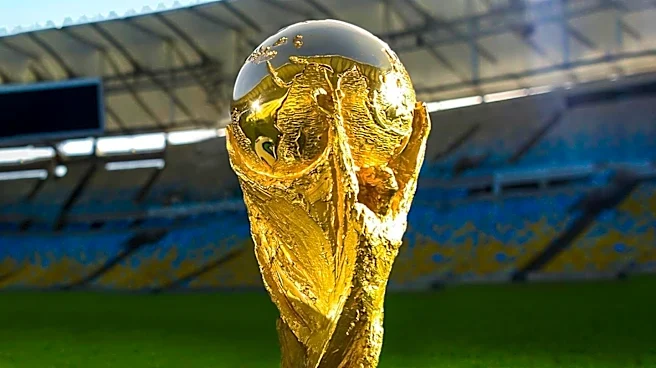
FIFA is preparing for a highly competitive auction for the U.S. media rights to the 2030 World Cup, with expectations that the package could fetch between $1.5 billion and $2 billion, according to The Guardian. For the first time, FIFA has decided to bundle
both English and Spanish-language rights together, indicating a preference for a single, exclusive rights holder. This strategic move positions major streaming platforms such as Netflix, Amazon, Apple TV, YouTube, and DAZN as significant contenders against traditional broadcasters. Netflix is considered a leading candidate, having already secured U.S. rights for the 2027 and 2031 Women's World Cups and actively expanding its live sports portfolio. The organization aims to maximize revenue following the success of the 2026 tournament and capitalize on the increasing global demand for sports content.
Why It's Important?
This auction represents a pivotal moment in the evolution of sports broadcasting in the U.S. If a streaming service secures exclusive rights to the 2030 World Cup, one of the world's largest sporting events, it could fundamentally alter how premium sports content is distributed and consumed. This shift would challenge the long-standing dominance of traditional broadcasters and accelerate the transition of live sports to digital platforms. For American consumers, this could foreshadow future deals for major domestic leagues like the NFL, MLB, NHL, and NBA, potentially leading to more sports content being exclusively available through subscription streaming services. The outcome will also demonstrate the financial power and strategic intent of streaming giants to become primary players in live sports entertainment, impacting advertising revenue models and content acquisition strategies across the media industry.
What's Next?
The bidding process for the 2030 World Cup U.S. media rights is expected to intensify as streaming companies and traditional broadcasters vie for exclusivity. The decision by FIFA to bundle English and Spanish-language rights will likely lead to fewer, but larger, bids, potentially driving up the final price. Following the successful 2026 World Cup, FIFA is well-positioned to leverage the growing interest in soccer in the U.S. The winning bidder will face the challenge and opportunity of delivering comprehensive coverage across both languages, potentially innovating in how the tournament is presented to a diverse American audience. The industry will closely watch the outcome as it could set a precedent for future major sports rights negotiations, influencing investment in streaming infrastructure and content development.
Beyond the Headlines
The bundling of English and Spanish-language rights by FIFA reflects a recognition of the significant and growing Hispanic audience in the U.S., making comprehensive bilingual coverage a key asset. This move could also signal a broader trend where sports organizations seek to consolidate rights to simplify distribution and potentially increase revenue from a single, powerful partner. The shift towards streaming platforms for major sports events raises questions about accessibility for audiences who may not subscribe to multiple services, potentially fragmenting the sports viewing experience. Furthermore, it highlights the ongoing battle for subscriber acquisition and retention among streaming services, with live sports becoming a critical differentiator in a crowded market. The long-term implications could include a redefinition of sports viewership metrics and advertising models as digital platforms offer more granular data and interactive experiences.