



What's Happening?
Amazon's 2022 acquisition of Metro-Goldwyn-Mayer (MGM) for US$8.45 billion has led to a significant shift in the creative control of the James Bond franchise. Initially, Amazon did not gain full creative authority over the iconic spy series. However,
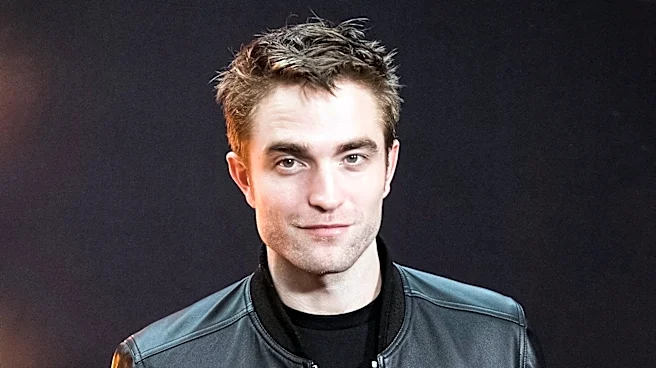
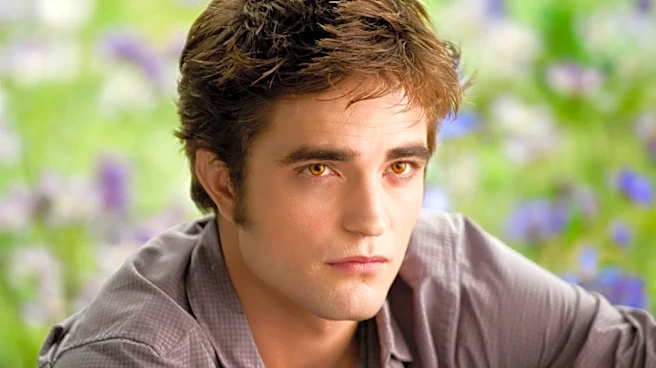
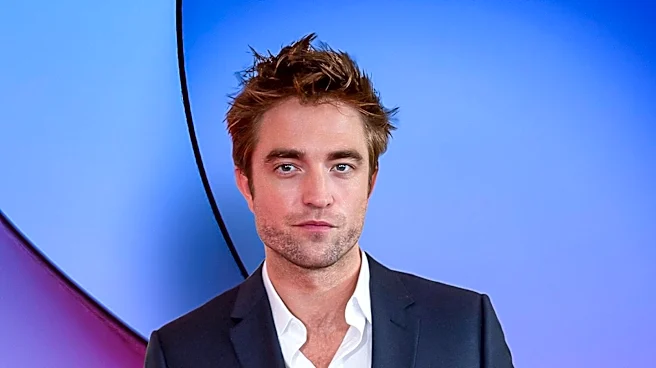
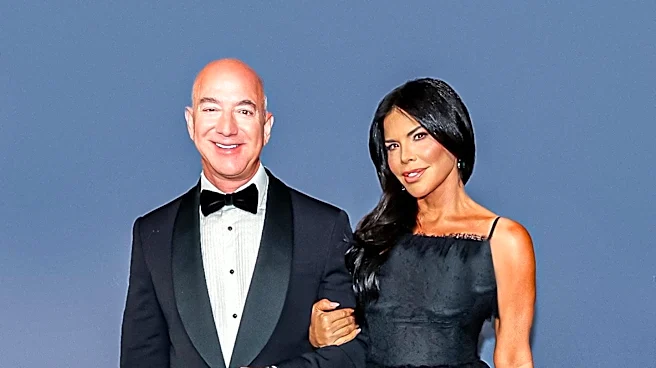
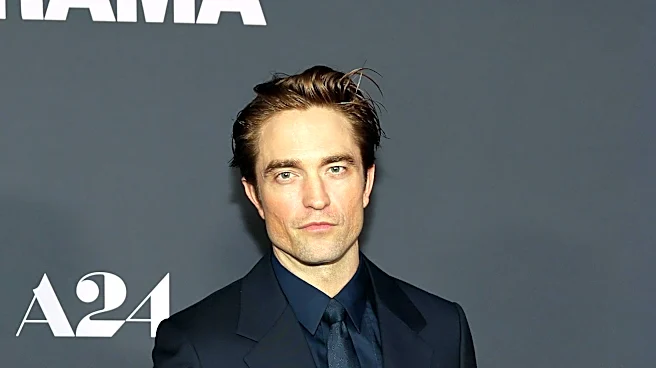
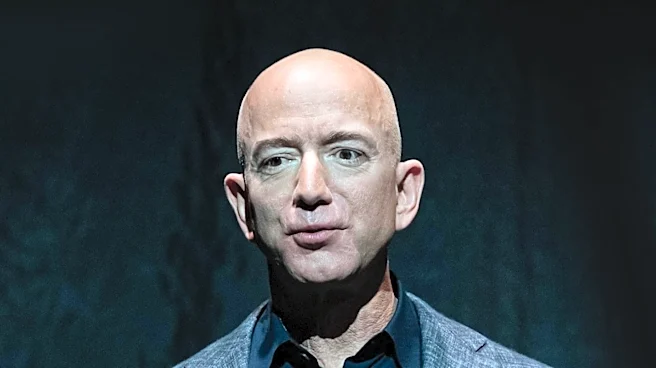
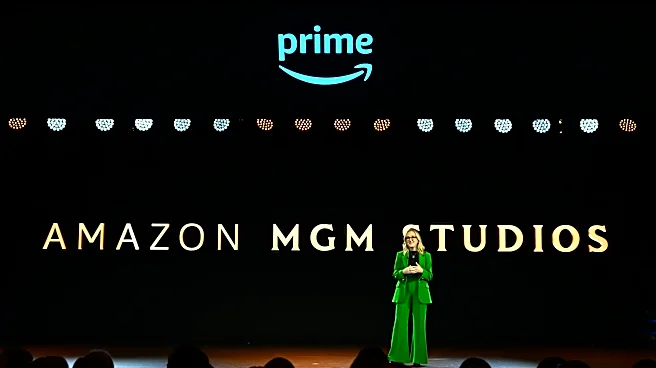
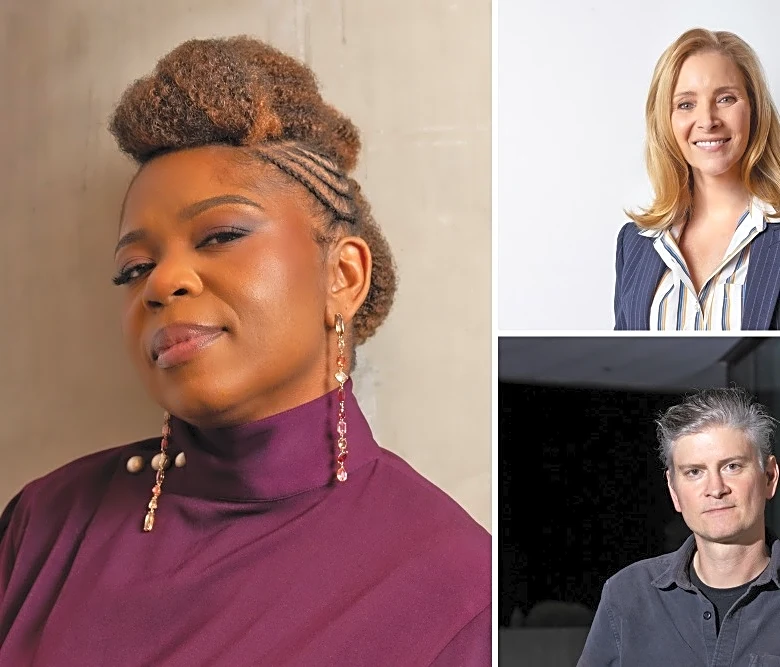
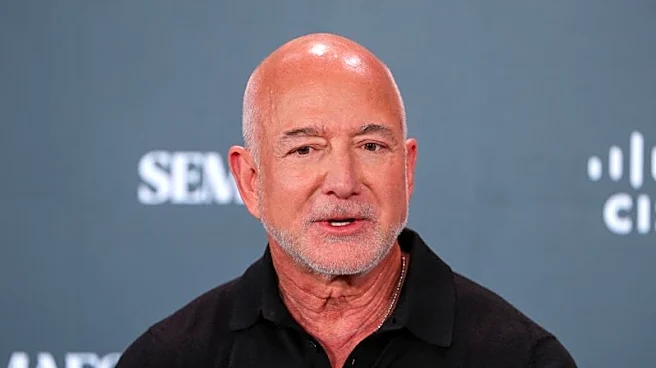
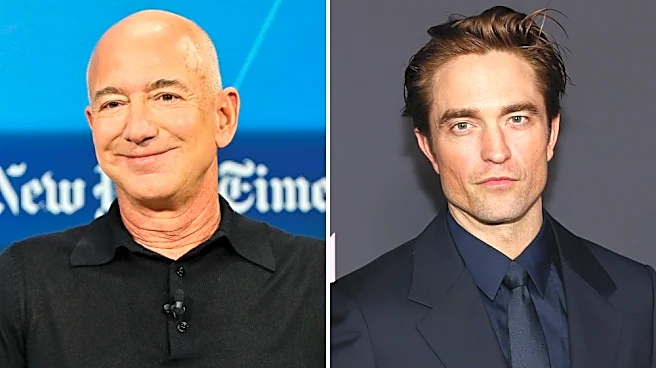
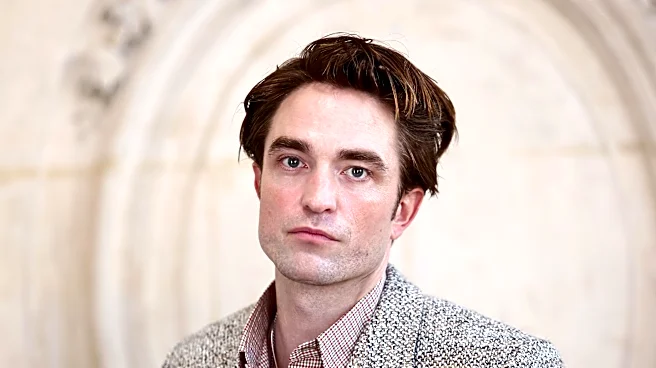
in February/March 2025, Amazon MGM Studios announced a joint venture with Barbara Broccoli and Michael G. Wilson, who had overseen the franchise since 1962. This agreement granted Amazon full creative control over future Bond productions, encompassing casting, direction, and storytelling, while Broccoli and Wilson retained co-ownership of the intellectual property. This development follows the rebranding of Amazon Studios to Amazon MGM Studios in October 2023, consolidating the film and television operations of both companies. Amazon founder Jeff Bezos has reportedly been 'heavily involved' in the casting process for the new James Bond, with Robert Pattinson recently announced in the role.
Why It's Important?
This development highlights the increasing influence of tech giants in the entertainment industry and raises questions about the balance between corporate capital and creative independence. Amazon's direct involvement in the creative direction of a globally recognized franchise like James Bond signifies a new era where business decisions by large corporations can profoundly impact artistic choices. The shift in control could lead to new creative directions for the franchise, potentially aligning it more with Amazon's broader content strategy and distribution platforms. For traditional filmmakers and studios, this trend could mean a re-evaluation of creative autonomy in an industry increasingly dominated by large conglomerates. The success or failure of this new creative direction for James Bond under Amazon's full control will likely serve as a case study for future media acquisitions and their impact on beloved intellectual properties.
What's Next?
The immediate next step will be the production and release of the first James Bond film under Amazon's full creative control, starring Robert Pattinson. The reception of this film by critics and audiences will be crucial in determining the long-term impact of Amazon's creative direction. Stakeholders, including fans, industry professionals, and investors, will closely watch how Amazon balances commercial interests with the artistic integrity of the long-standing franchise. Future decisions regarding directors, screenwriters, and overall storytelling will reveal the extent of Amazon's influence. This new era for James Bond could also set precedents for how other major intellectual properties acquired by tech companies are managed creatively, potentially influencing future joint ventures and ownership structures in Hollywood.
Beyond the Headlines
The Amazon-MGM deal and subsequent creative control over James Bond delve into deeper implications concerning the evolving landscape of Hollywood and intellectual property ownership. It raises ethical questions about whether the commercial imperatives of a tech giant might overshadow the artistic vision that has historically defined such franchises. The involvement of figures like Jeff Bezos in creative decisions, despite lacking traditional film production backgrounds, underscores a potential shift in power dynamics within the industry. This scenario echoes past instances of corporate acquisitions leading to creative disagreements, such as Disney's acquisition of Lucasfilm and George Lucas's subsequent dissatisfaction with the Star Wars sequel trilogy. The long-term cultural impact of such corporate oversight on iconic characters and narratives remains to be seen, potentially leading to a more homogenized or commercially driven cinematic output.