




What's Happening?
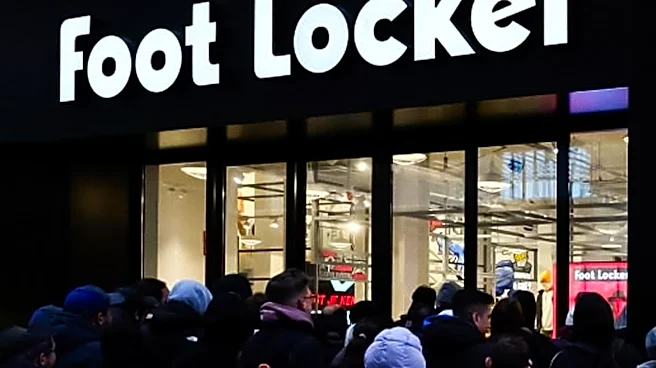
Foot Locker, a prominent footwear and apparel retailer, has announced a new partnership with Uber Technologies, Inc. This collaboration will enable consumers to shop from over 1,000 Foot Locker stores across the U.S. directly through the Uber Eats app.
The initiative aims to provide customers with increased convenience and accessibility to Foot Locker's product offerings, including those from its Kids Foot Locker and Champs Sports brands. This move signifies a strategic effort by Foot Locker to expand its retail reach beyond traditional brick-and-mortar stores and its own e-commerce platforms, leveraging the established delivery infrastructure of Uber Eats. The partnership is expected to integrate Foot Locker's extensive inventory into the Uber Eats platform, allowing for on-demand delivery of sneakers and apparel.
Why It's Important?
This partnership is significant for both the retail and technology sectors in the U.S. For Foot Locker, it represents a crucial step in adapting to evolving consumer shopping habits, particularly the growing demand for fast and convenient delivery services. By integrating with Uber Eats, Foot Locker can tap into a vast user base that regularly uses the app for various delivery needs, potentially increasing sales and market share. For Uber Eats, expanding beyond food delivery into general retail, especially with a major brand like Foot Locker, diversifies its service offerings and strengthens its position in the competitive delivery market. This collaboration could set a precedent for other retailers to explore similar partnerships, blurring the lines between traditional retail and on-demand delivery platforms and reshaping the future of retail logistics and consumer expectations.
What's Next?
Following the launch of this partnership, Foot Locker and Uber Eats will likely focus on optimizing the delivery experience and expanding the range of products available through the app. We can anticipate marketing campaigns designed to inform consumers about this new shopping channel and encourage its adoption. The success of this venture could lead to further integration, potentially including personalized recommendations or exclusive product drops available only through the Uber Eats platform. Other retailers, observing the outcomes of this partnership, may consider similar collaborations with delivery services to enhance their own customer reach and convenience. The long-term impact will depend on consumer uptake, operational efficiency, and the ability of both companies to seamlessly integrate their systems and customer service.
Beyond the Headlines
This partnership highlights a broader trend in retail towards 'convenience commerce,' where the ease and speed of acquiring goods are becoming as important as the products themselves. It also underscores the increasing convergence of different industries, with technology platforms like Uber Eats expanding their scope beyond their initial core services. Ethically, this raises questions about the future of traditional retail employment and the potential impact on local businesses that may not have the resources to offer similar delivery options. Culturally, it reinforces the expectation of instant gratification, potentially altering consumer patience and shopping behaviors in the long run. This move could also influence urban logistics, leading to increased demand for last-mile delivery services and potentially impacting traffic and infrastructure in metropolitan areas.