






What's Happening?
Vego Garden emphasizes that choosing a raised garden bed should prioritize the specific needs of the crops being grown rather than solely focusing on aesthetic appeal. The company highlights that various garden bed designs offer different strengths, and
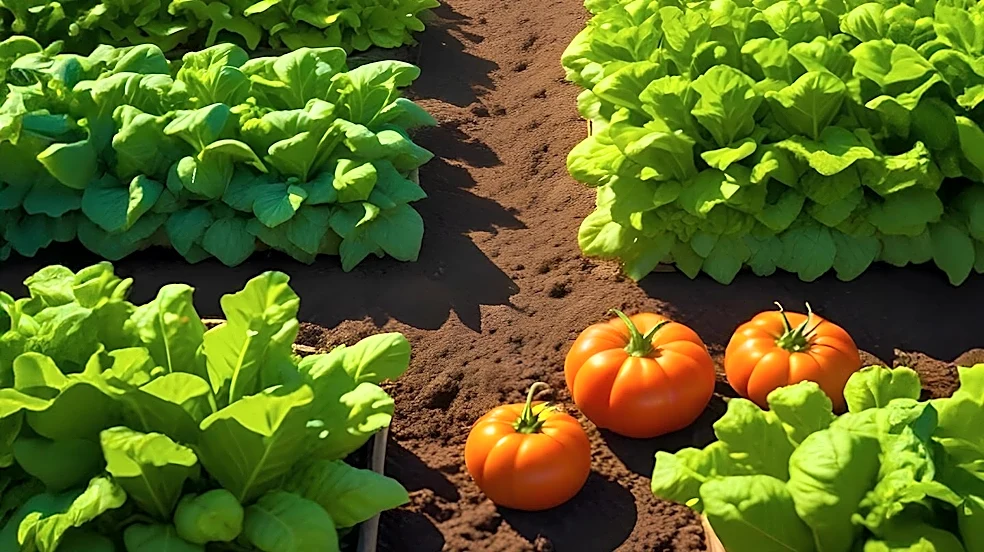
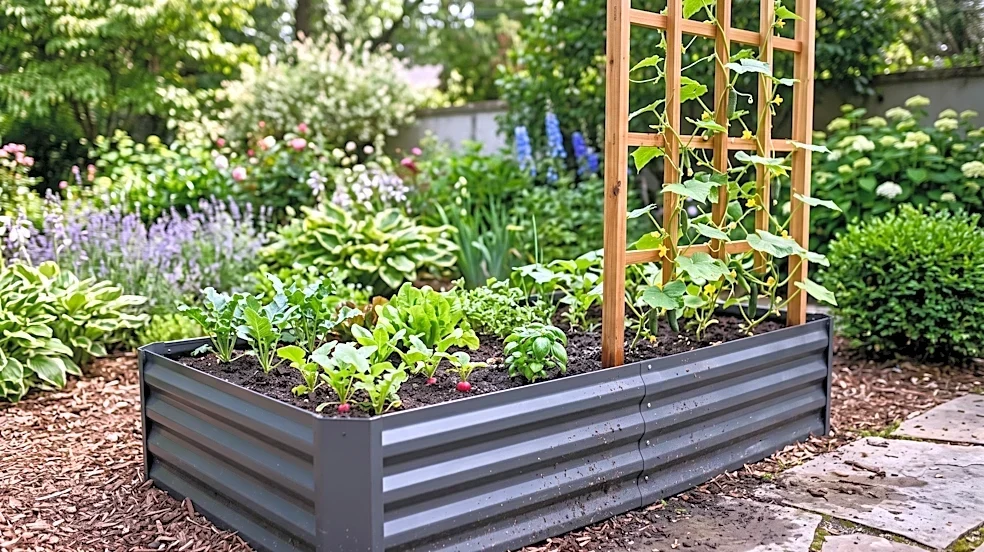
selecting the right one can significantly impact plant health and yield. Key factors to consider include bed depth for root vegetables like carrots and potatoes, bed width to ensure easy access for planting, weeding, and harvesting, and bed length to match the desired harvest size. Modular garden beds are presented as a flexible solution, allowing gardeners to reconfigure layouts as their planting needs evolve. Additionally, vertical growing options with trellises are recommended for climbing plants such as cucumbers and tomatoes, maximizing space efficiency.
Why It's Important?
This guidance from Vego Garden is crucial for U.S. home gardeners, as it promotes a more strategic and efficient approach to urban and suburban gardening. By encouraging gardeners to consider the functional aspects of raised beds, such as depth for root development and width for accessibility, it helps prevent common gardening frustrations and improves overall success rates. The emphasis on modularity and vertical growing addresses the growing need for space-saving solutions in increasingly smaller residential plots, making gardening accessible to more people. This approach can lead to higher yields, healthier plants, and a more sustainable use of resources, ultimately contributing to increased food self-sufficiency and a greater connection to food sources within communities. For businesses like Vego Garden, this advice positions them as experts, fostering trust and guiding consumers toward products that genuinely meet their gardening objectives.
What's Next?
Gardeners are encouraged to start by creating a planting list and assessing their available space before purchasing a raised garden bed. This initial planning will help determine the optimal bed depth, width, length, and shape. The article suggests that modular garden beds will continue to gain popularity due to their adaptability, allowing for changes in garden layout year after year. The integration of vertical growing structures like trellises is also expected to become more common, especially for those with limited ground space. Consumers will likely seek out garden bed designs that offer flexibility and cater to specific plant requirements, moving away from purely decorative choices. This trend will drive manufacturers to innovate and offer more functional and customizable raised bed solutions.
Beyond the Headlines
The shift in focus from aesthetics to functionality in raised garden bed selection reflects a broader movement towards practical and productive gardening. This trend is indicative of a growing interest in sustainable living, local food production, and maximizing the utility of outdoor spaces. Beyond the immediate benefits of better crop yields, this approach fosters a deeper understanding of plant needs and ecological principles among gardeners. It also highlights the importance of thoughtful design in everyday products, where form follows function to deliver tangible benefits. As more people engage in home gardening for food security, health, and environmental reasons, the demand for intelligently designed gardening infrastructure will likely increase, pushing the market towards more specialized and adaptable solutions that support diverse gardening goals and environments.