


What's Happening?
Varda Space Industries, a company focused on developing commercial space infrastructure, is actively seeking a Senior Space Mission Assurance Engineer for its El Segundo, California facility. This role is critical for ensuring the reliability and quality
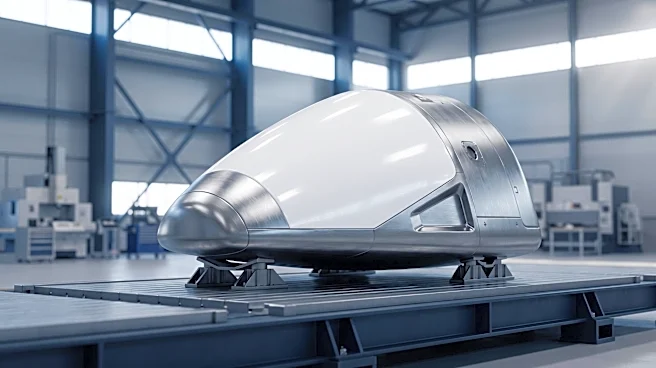
of Varda's W-Series vehicles, which are designed for in-orbit pharmaceutical processing and economical reentry capsules. The engineer will collaborate with design and manufacturing teams to create test, manufacturability, and inspection plans for all vehicle hardware. Key responsibilities include containing non-conforming products, leading failure investigations to identify root causes, and providing critical peer review during design and testing phases. Varda, founded in January 2021, aims to expand the economic bounds of humankind by enabling the manufacturing of products in space that can benefit life on Earth, with significant backing from investors including Lux Capital.
Why It's Important?
This hiring initiative by Varda Space Industries underscores a growing trend in the commercial space sector: the push towards reliable in-orbit manufacturing. The development of robust space infrastructure for producing pharmaceuticals and other advanced materials in microgravity could revolutionize various industries. For the U.S., this signifies a potential for new economic opportunities, technological leadership, and a more resilient supply chain for critical products. The role of a Senior Space Mission Assurance Engineer is paramount in this endeavor, as ensuring the safety and functionality of space-manufactured goods is crucial for their adoption and commercial viability. Success in this area could lead to significant advancements in medicine, materials science, and other fields, ultimately benefiting consumers and creating high-tech jobs within the U.S. space industry.
What's Next?
The successful recruitment of a Senior Space Mission Assurance Engineer will enable Varda Space Industries to further refine its manufacturing processes and enhance the reliability of its W-Series vehicles. This will likely accelerate the company's efforts to bring space-manufactured products to market, potentially leading to the commercial availability of pharmaceuticals and other materials produced in orbit. As Varda progresses, it could attract more investment and partnerships, further solidifying the U.S.'s position in the burgeoning orbital economy. The company's focus on in-house development and operation of its vehicles suggests a commitment to controlling the entire value chain, which could lead to faster innovation and more efficient production cycles in the long term.
Beyond the Headlines
The pursuit of in-orbit manufacturing by companies like Varda Space Industries represents a significant paradigm shift in how goods are produced. Beyond the immediate economic and technological benefits, this development raises profound questions about the future of industrial production, resource utilization, and even international cooperation in space. The ability to manufacture complex products in space could reduce the environmental impact of certain industries on Earth and open up new avenues for scientific discovery. However, it also necessitates the development of new regulatory frameworks and ethical considerations for space-based industrial activities. The success of Varda and similar ventures could pave the way for a more expansive and interconnected space economy, fundamentally altering our relationship with the cosmos and its potential for human benefit.