





What's Happening?
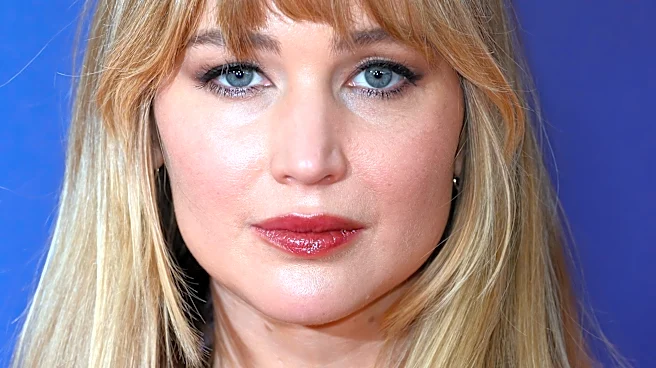
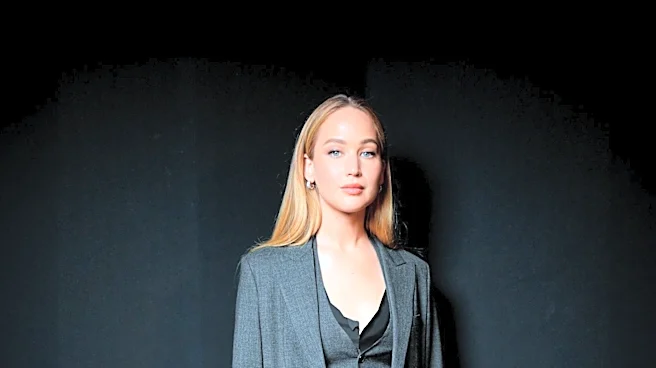
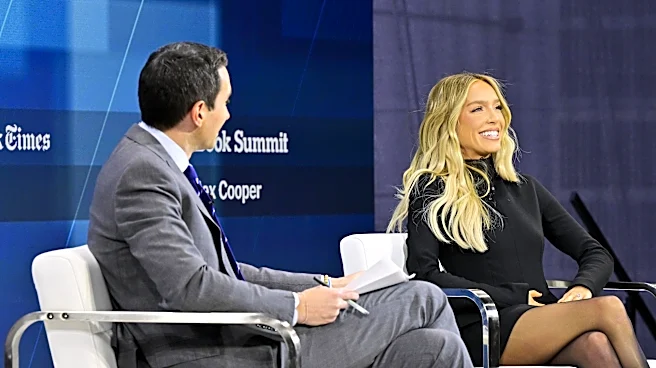
Jennifer Lawrence provided a candid account of her experiences with childbirth and motherhood during an October 28, 2026, appearance on Alex Cooper's 'Call Her Daddy' podcast. The 36-year-old actress openly discussed the physical changes her body underwent
after giving birth, humorously contrasting her vaginal recovery with lasting changes to her anus. Her bluntness surprised the host, leading to a playful discussion about what to expect from childbirth. Beyond the physical aspects, Lawrence also delved into the emotional difficulties of motherhood. She spoke about her initial struggles to understand her baby's different cries and the guilt she felt when she perceived herself as not meeting expectations. Lawrence, who has two sons with her husband Cooke Maroney, also revealed her experience with severe postpartum anxiety after her second child and how connecting with other mothers helped her cope. She emphasized that her remarks were personal experiences and not medical predictions for all women.
Why It's Important?
Jennifer Lawrence's openness about the less-discussed realities of childbirth and motherhood contributes to destigmatizing these experiences for many women. By sharing her personal struggles with physical changes and postpartum anxiety, she helps normalize conversations around topics that are often considered taboo or private. This can empower other mothers to feel less alone in their own challenges and encourage more open dialogue about maternal health, both physical and mental. Her celebrity platform amplifies these discussions, potentially reaching a wider audience and fostering greater understanding and empathy for the complexities of postpartum recovery and the emotional demands of new parenthood. This transparency can also influence how motherhood is portrayed in media, moving towards more realistic and less idealized representations.
What's Next?
Lawrence's candidness may encourage other public figures to share their own experiences with childbirth and motherhood, further contributing to a more open dialogue. This could lead to increased awareness and support for maternal mental health initiatives and resources. The discussion generated by her interview might also prompt media outlets and content creators to explore these topics with greater depth and authenticity. For new and expectant mothers, hearing such honest accounts from a prominent figure can provide comfort and validation, potentially leading to more women seeking support for postpartum issues. The entertainment industry might also see a shift towards more nuanced portrayals of motherhood in film and television, reflecting these real-world experiences.
Beyond the Headlines
Lawrence's discussion goes beyond typical celebrity interviews by delving into the often-unspoken physical and emotional tolls of childbirth. Her willingness to share details about her body's changes challenges societal pressures for women to quickly 'bounce back' after pregnancy, promoting a more realistic view of postpartum recovery. Furthermore, her acknowledgment of postpartum anxiety sheds light on a significant mental health issue that affects many new mothers but often goes undiagnosed or unaddressed due to stigma. By speaking out, she contributes to a broader cultural shift towards recognizing and supporting the full spectrum of maternal experiences, fostering a more compassionate and informed approach to women's health and well-being during and after pregnancy.