




What's Happening?
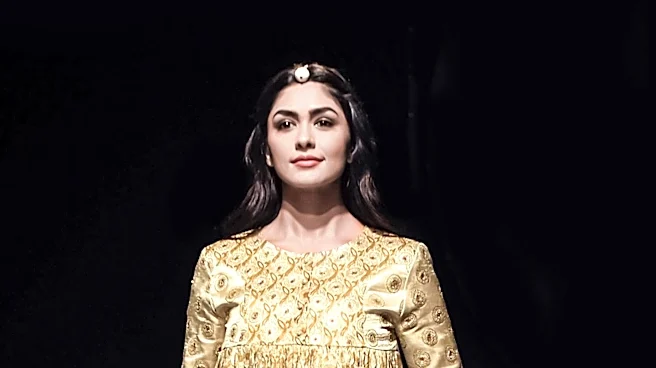
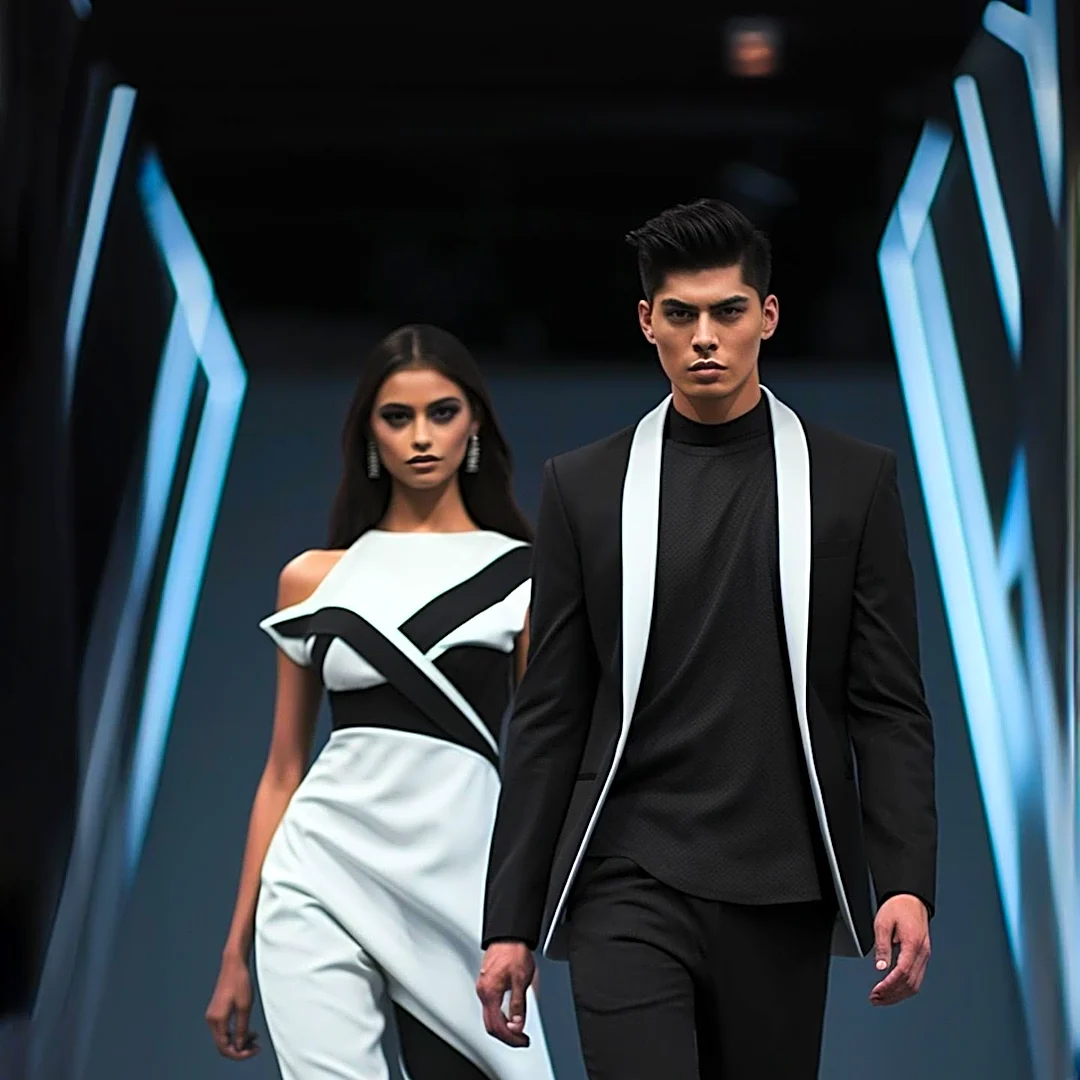
Indian designers have made a significant impact at recent Milan Fashion Weeks by integrating traditional Indian elements into contemporary fashion. Dhruv Kapoor, a regular at Milan Fashion Week since 2021, presented a collection that featured lungis with
edgy slit skirt details and Madras checks with beaded twists. His designs aimed to be rooted in Indian dressing traditions while maintaining a modern appeal. Similarly, other Indian designers have brought elements like desi chappals to the Milan runways, showcasing a global design language that retains Indian roots. This trend highlights a growing presence of Indian cultural influences in international high fashion, moving beyond conventional perceptions of Indian attire to present versatile and modern interpretations.
Why It's Important?
The increasing presence of Indian designers and traditional Indian elements at Milan Fashion Week signifies a broader shift in the global fashion landscape. It underscores the growing recognition and appreciation of diverse cultural aesthetics on international platforms. For the U.S. fashion industry and consumers, this trend introduces new design inspirations and expands the market for culturally rich fashion. It also promotes cross-cultural exchange, potentially influencing design trends, retail offerings, and consumer preferences in the U.S. This integration can lead to a more inclusive and diverse fashion industry, offering unique styles and narratives that resonate with a wider audience and challenge traditional Western-centric fashion norms.
What's Next?
The continued success of Indian designers at international fashion events like Milan Fashion Week suggests a sustained trend of cultural fusion in global fashion. Future collections are likely to further explore the integration of traditional Indian textiles, silhouettes, and craftsmanship with contemporary designs. This could lead to increased collaborations between international brands and Indian artisans, as well as a greater demand for Indian-inspired fashion in global markets, including the U.S. We may also see more Indian designers gaining prominence on the international stage, further solidifying India's influence in the fashion world and encouraging other non-Western cultures to showcase their heritage.
Beyond the Headlines
Beyond the immediate fashion trends, the showcasing of Indian elements like lungis and chappals at Milan Fashion Week reflects deeper cultural and economic shifts. It challenges the historical dominance of Western fashion narratives and promotes a more equitable representation of global cultures in high fashion. This movement can empower artisans and traditional craft communities in India by creating new markets and appreciation for their work. Ethically, it raises questions about cultural appropriation versus appreciation, encouraging designers to engage respectfully and authentically with cultural heritage. This trend also signifies a broader global interconnectedness, where cultural boundaries in creative industries are increasingly blurred, fostering a richer, more diverse global aesthetic.