








What's Happening?
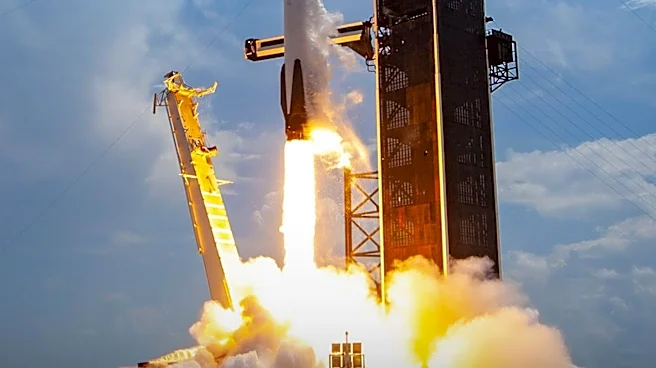
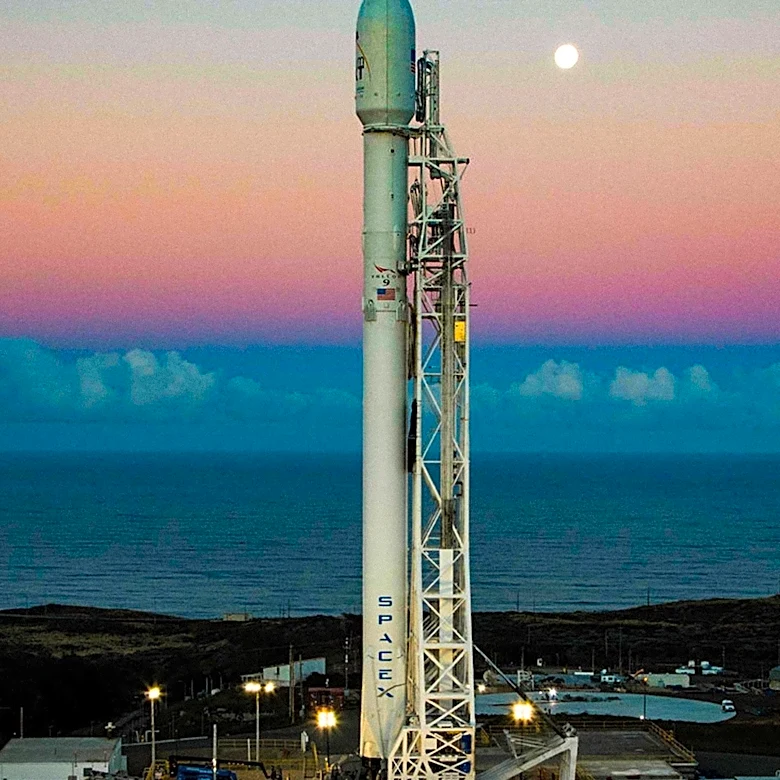
SpaceX is increasingly prioritizing its Starlink satellite launches, reducing availability for other companies seeking to use its Falcon 9 rockets. Starlink's share of SpaceX missions has grown significantly, now accounting for 79% of launches in 2026.
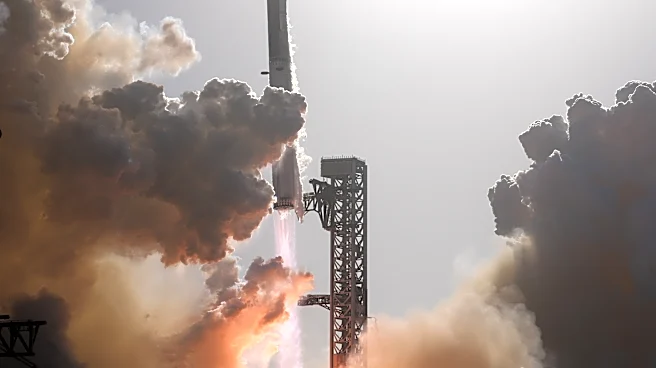
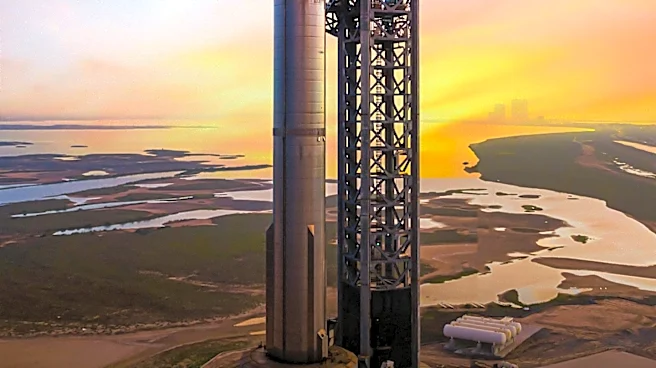
This shift is driven by SpaceX's transition to the Starship rocket, which promises to be more cost-effective and fully reusable. The focus on Starlink is economically motivated, as each mission can generate substantial revenue for SpaceX. This has led to a bottleneck, with some companies unable to secure launches until 2028 or 2029. SpaceX's strategy reflects its commitment to expanding Starlink, which is crucial to its financial success.
Why It's Important?
SpaceX's focus on Starlink has significant implications for the commercial space industry. By prioritizing its own satellite network, SpaceX is reshaping the market dynamics, potentially disadvantaging smaller companies that rely on its launch services. This could lead to increased competition and innovation as these companies seek alternative launch providers or develop their own capabilities. The situation underscores the importance of launch capacity as a strategic resource in the space industry. As SpaceX continues to expand Starlink, it could further solidify its position as a dominant player, influencing pricing and availability of launch services globally.
What's Next?
As SpaceX transitions to the Starship rocket, the company aims to conduct its first orbital mission by late 2026. This development could alleviate some of the current launch capacity constraints, allowing for more frequent and cost-effective launches. However, the focus on Starlink is expected to continue, with plans to deploy up to 1 million satellites as part of an ambitious expansion. Other space companies may need to explore partnerships or investments in alternative launch technologies to remain competitive. The evolving landscape will likely prompt regulatory scrutiny and discussions on fair access to launch services.