





What's Happening?
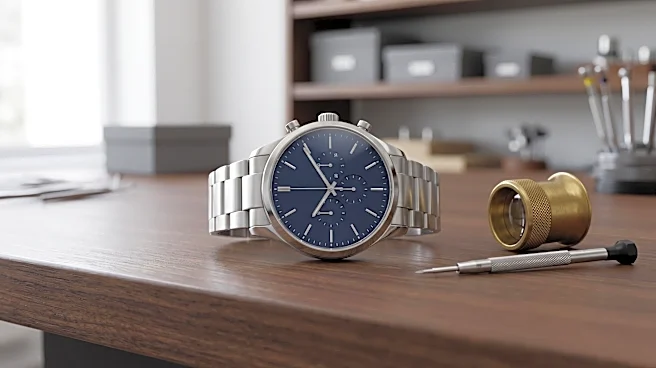
Highsnobiety's 'State of Watches' report highlights a significant shift in how the next generation of consumers, particularly 'Cultural Pioneers,' perceive and purchase luxury watches. These consumers, who are more likely to own and invest in luxury watches,
are moving away from traditional status symbols like wealth and heritage. Instead, they are increasingly using watches as 'identity signals' that demonstrate personal taste, cultural knowledge, and individuality. The report suggests that brands prioritizing traditional rules risk becoming predictable. To connect with this evolving demographic, watch brands are encouraged to challenge norms, take risks, and tell unique stories. This change in consumer behavior emphasizes the importance of cultural relevance over mere expense or historical prestige in the luxury watch market.
Why It's Important?
This shift in consumer values has substantial implications for the U.S. luxury watch industry and broader retail sectors. Brands that fail to adapt to these evolving preferences risk losing market share among younger, affluent consumers. The emphasis on 'identity signals' means that marketing strategies need to move beyond showcasing exclusivity and instead focus on narrative, authenticity, and cultural alignment. This could lead to increased investment in collaborations with artists, designers, and cultural figures, as well as more innovative product designs that reflect contemporary aesthetics and values. Brands that successfully tap into this desire for self-expression through luxury goods stand to gain significant loyalty and market penetration among a demographic known for influencing trends and driving future purchasing habits.
What's Next?
Luxury watch brands are expected to increasingly pivot their marketing and product development strategies to align with the preferences of 'Cultural Pioneers.' This will likely involve a greater focus on storytelling, unique collaborations, and designs that resonate with modern cultural movements rather than solely relying on historical prestige or traditional markers of wealth. We may see more limited-edition releases, partnerships with non-traditional influencers, and campaigns that highlight the personal stories behind the watches. Brands will also need to engage with consumers on platforms and in ways that demonstrate an understanding of contemporary culture, moving beyond conventional advertising to more experiential and community-driven approaches. The success of brands in the coming years may hinge on their ability to be perceived as culturally relevant and innovative.
Beyond the Headlines
The insights from Highsnobiety point to a broader cultural phenomenon where consumers, particularly younger generations, are seeking deeper meaning and personal connection in their purchases. This extends beyond luxury watches to other high-end goods, suggesting a redefinition of 'luxury' itself. It's no longer just about the price tag or brand heritage, but about how a product reflects and enhances one's identity and values. This trend could foster a more diverse and inclusive luxury market, as brands explore new aesthetics and narratives that appeal to a wider range of cultural backgrounds and personal expressions. It also highlights the growing power of cultural influence and individual taste in shaping market demands, pushing industries to be more dynamic and responsive to evolving societal values.