


What's Happening?
September is identified as an optimal time for U.S. gardeners to refresh their container gardens for the colder months, ensuring continuous color, structure, and interest through winter. The focus is on selecting plants that thrive in cooler temperatures,
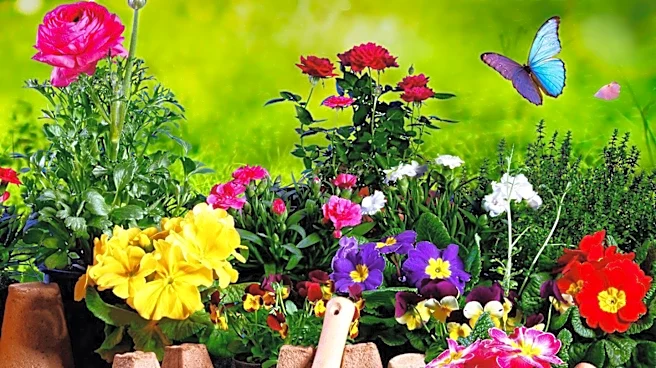
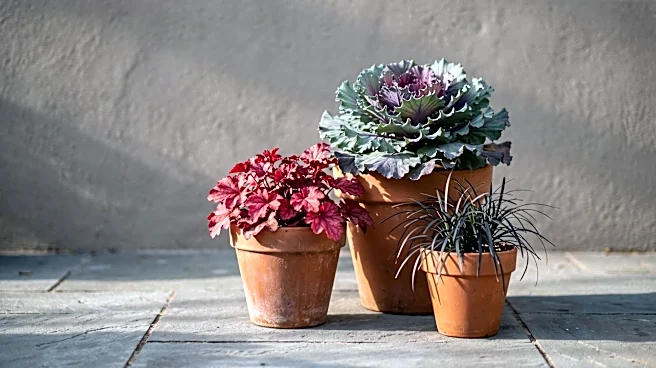
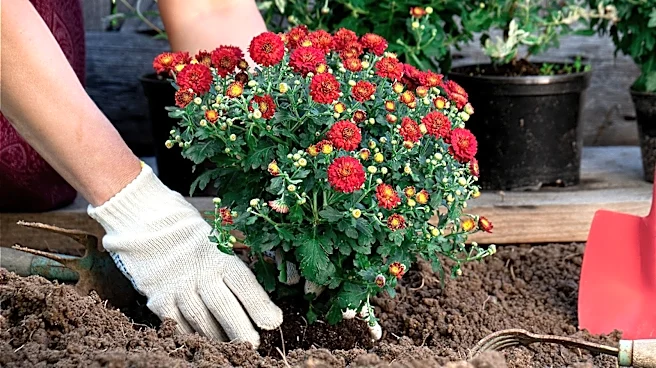
including shrubs, evergreens, perennials, and cold-loving annuals. Recommended plants for containers in September include violas and pansies for immediate color, coral bells for vivid foliage in shadier spots, and black mondo grass for dramatic dark accents. Nandina, also known as heavenly bamboo, offers year-round interest with changing leaf colors and berries, while small conifers like dwarf Alberta spruce provide essential structure. American wintergreen adds red foliage and berries, and ornamental cabbages offer unique, intensifying colors as temperatures drop. Gardeners are advised to group pots together for winter to create a microclimate that traps heat and offers shelter from cold winds.
Why It's Important?
This gardening advice is important for U.S. homeowners and garden enthusiasts seeking to maintain aesthetic appeal and vitality in their outdoor spaces throughout the fall and winter. By strategically planting in September, individuals can extend the gardening season, providing visual interest during months when many plants are dormant. This contributes to mental well-being and property aesthetics, especially in regions experiencing significant seasonal changes. The guidance on specific plant selections and care techniques, such as grouping pots for frost protection, empowers gardeners to make informed decisions that enhance plant survival and visual impact. Furthermore, the mention of non-invasive varieties like 'Fire Power' nandina highlights a growing awareness and importance of ecological responsibility in gardening practices, preventing the spread of potentially harmful species.
What's Next?
Gardeners who follow these recommendations will see their containers transition from summer to fall and maintain visual appeal well into winter. The plants selected in September will continue to grow and display their unique characteristics as temperatures drop. As winter progresses, some plants like violas and pansies will remain resilient to snow and frost, while evergreens and conifers will provide consistent structure. Gardeners should continue to monitor weather conditions and adjust care, such as watering, as needed. The advice to group pots together will become increasingly relevant as colder temperatures arrive, helping to protect plants from harsh winter elements and prolong their vibrancy. The ongoing interest in winter gardening suggests a continuous demand for information on cold-hardy plants and seasonal container design.
Beyond the Headlines
The emphasis on year-round container gardening reflects a broader cultural shift towards maximizing outdoor living spaces and integrating nature into daily life, even during colder seasons. This trend extends beyond mere aesthetics, touching upon themes of sustainability and local biodiversity. By choosing appropriate plants, gardeners can create mini-ecosystems that support local wildlife, such as birds attracted to berries, even in urban settings. The detailed plant suggestions also highlight the diversity of horticultural options available, encouraging experimentation and personalization in garden design. This approach to gardening fosters a deeper connection with natural cycles and promotes a sense of accomplishment and well-being through active engagement with the environment, transforming what might otherwise be barren winter landscapes into vibrant displays.