





What's Happening?
Coca-Cola has reported strong performance in its second-quarter earnings, surpassing revenue and earnings estimates. Despite a higher price-to-earnings (P/E) ratio of 27 compared to PepsiCo's 19, Coca-Cola has consistently delivered higher overall returns.
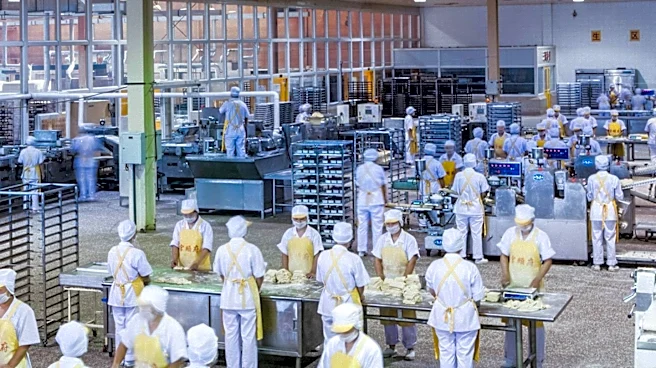
This outperformance is attributed to its asset-light business model, where it outsources bottling, trucking, and distribution, leading to higher operating margins. Unlike PepsiCo, which also owns food brands like Frito-Lay and Quaker, Coca-Cola focuses solely on beverages, avoiding the higher input costs associated with packaged foods. This strategic focus has allowed Coca-Cola to maintain a competitive edge over PepsiCo, despite the latter's higher dividend yield of 4% compared to Coca-Cola's 2.3%.
Why It's Important?
Coca-Cola's ability to outperform PepsiCo in terms of overall returns highlights the effectiveness of its business strategy. By maintaining an asset-light model, Coca-Cola can achieve higher margins, which is crucial in a competitive market. This approach not only enhances profitability but also positions Coca-Cola favorably against industry trends that are moving away from packaged foods towards more natural options. For investors, Coca-Cola's consistent returns make it an attractive option, even though it offers a lower dividend yield compared to PepsiCo. The company's focus on beverages allows it to avoid the volatility and higher costs associated with the food industry, providing a stable investment opportunity.
What's Next?
Investors may continue to favor Coca-Cola due to its strong performance and strategic focus on beverages. The company's ability to maintain higher margins and deliver consistent returns could sustain its premium valuation over PepsiCo. As consumer preferences shift towards healthier and more natural products, Coca-Cola's exclusive focus on beverages may further strengthen its market position. However, income-oriented investors might still prefer PepsiCo for its higher dividend yield. The ongoing competition between these two giants will likely continue to shape the beverage industry, with Coca-Cola's asset-light model serving as a key differentiator.