







What's Happening?
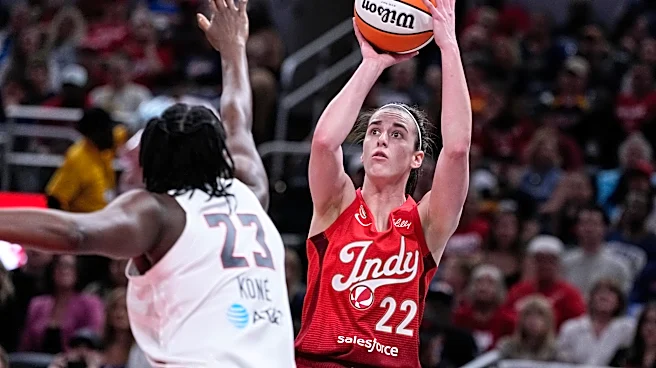
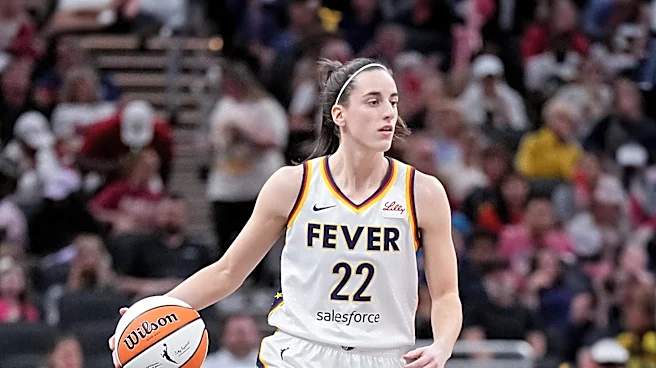
Caitlin Clark, a prominent figure in women's basketball, was recently involved in a controversy regarding her ranking as the 11th-best guard in the WNBA. This ranking emerged from a flawed voting system for the WNBA All-Star Game, where players, fans,
and media members contributed to the selection process. The controversy arose because only about 85 of the 180 WNBA players submitted their ballots, leading to skewed results. Clark, who is a starter in the All-Star Game, was ranked second in the fan vote, third in the media vote, but 11th in the player vote. This discrepancy has led to discussions about the accuracy and fairness of the voting process.
Why It's Important?
The controversy highlights issues within the WNBA's voting system, which could impact the league's credibility and the perception of its players. Caitlin Clark is a significant player, both in terms of performance and popularity, and the misrepresentation of her ranking could affect her reputation and marketability. Additionally, the situation underscores the need for a more transparent and reliable voting process to ensure fair representation of players' skills and contributions. This incident also reflects broader challenges in women's sports, where recognition and support are crucial for growth and development.
What's Next?
The WNBA may need to address the flaws in its voting system to prevent similar controversies in the future. This could involve revising the voting process to ensure all players have the opportunity to participate and that the results accurately reflect the players' standings. Stakeholders, including players, teams, and fans, might push for changes to enhance the league's transparency and fairness. The league's response to this issue could influence its relationship with players and its overall reputation.