





What's Happening?
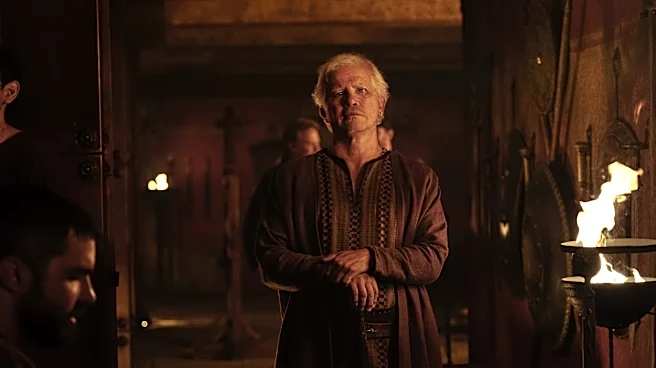
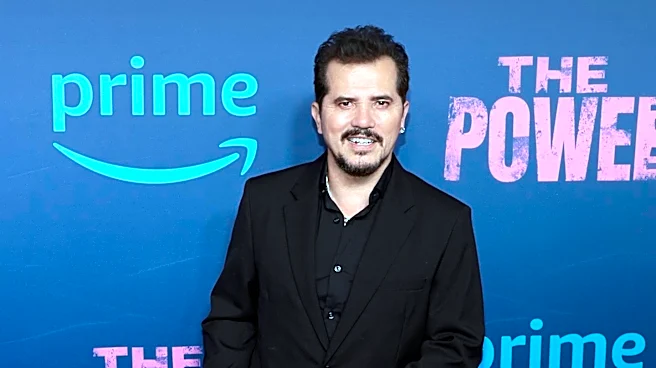
Actor John Leguizamo underwent a significant physical transformation for his role as Eumaeus, the elderly and nearly blind servant in Christopher Nolan's film 'The Odyssey.' Leguizamo, 62, was so deeply in character that many viewers, and even director
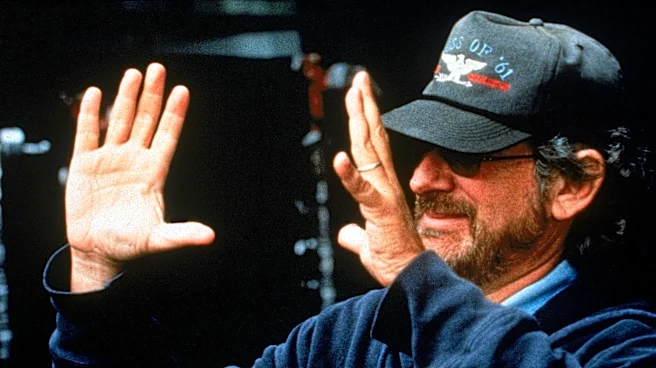
Christopher Nolan himself, did not recognize him. The transformation involved a two-day hair bleaching process to turn his black hair white, which Leguizamo described as intense and causing hair loss. Additionally, he spent four to five hours daily in the makeup chair. Special contact lenses, hand-painted by an artist to mimic cataracts, severely impaired his vision, leaving him almost completely blind in one eye and only able to perceive shapes and light in the other. This visual impairment necessitated assistance for basic tasks like going to the bathroom on set. The role also required Leguizamo to portray Eumaeus's profound loyalty, a characteristic Nolan emphasized as central to the character.
Why It's Important?
Leguizamo's extreme dedication to his role in 'The Odyssey' highlights the lengths actors may go to embody a character, often involving significant personal discomfort and physical changes. Such transformations can be crucial for an actor's craft, allowing them to fully immerse themselves and convince audiences of their portrayal. For the film industry, these efforts can generate buzz and critical acclaim, potentially contributing to award nominations and box office success. The fact that Nolan, who worked closely with Leguizamo for months, did not recognize him out of character underscores the effectiveness of the makeup and acting. This level of commitment can also inspire other actors and filmmakers to push creative boundaries in character development and visual effects, influencing future productions in Hollywood. It also showcases the collaborative artistry between actors, makeup artists, and directors in bringing complex characters to life.
What's Next?
With 'The Odyssey' now available on digital, 4K Ultra HD, Blu-ray, and DVD, audiences can witness Leguizamo's transformation firsthand. The film's release will allow for broader public and critical reception of his performance, potentially influencing discussions during awards season. Leguizamo's experience may lead to increased recognition for his versatility and dedication as an actor, possibly opening doors for more diverse and challenging roles in the future. The detailed accounts of his transformation could also spark interest in the behind-the-scenes aspects of filmmaking, particularly in the fields of special effects makeup and character design. Furthermore, the anecdote of Nolan not recognizing Leguizamo is likely to become a memorable story in Hollywood, contributing to the film's legacy and Leguizamo's career narrative.
Beyond the Headlines
Leguizamo's transformation in 'The Odyssey' touches upon deeper themes of identity and perception within the entertainment industry. His ability to become unrecognizable raises questions about how audiences and even collaborators perceive actors beyond their established personas. The physical toll of such a transformation, including hair loss and impaired vision, underscores the often-unseen sacrifices actors make for their art, highlighting the demanding nature of the profession. Ethically, it prompts consideration of the boundaries of physical alteration for a role and the long-term effects on an actor's health. Culturally, it reinforces the idea of cinema as a medium where reality can be profoundly altered, allowing for complete immersion into fictional worlds and characters, challenging conventional notions of appearance and recognition. This commitment to character can also be seen as a testament to the enduring power of storytelling and the transformative potential of performance.