






What's Happening?
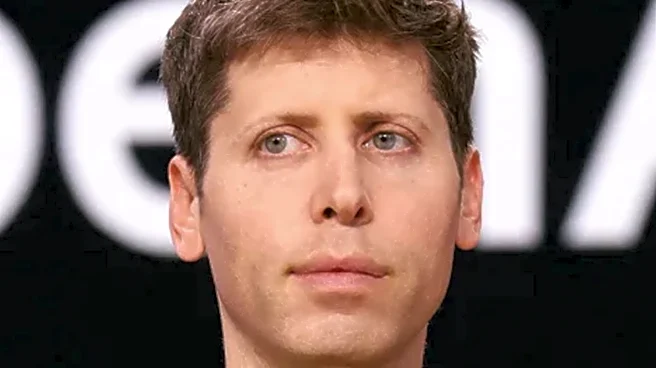
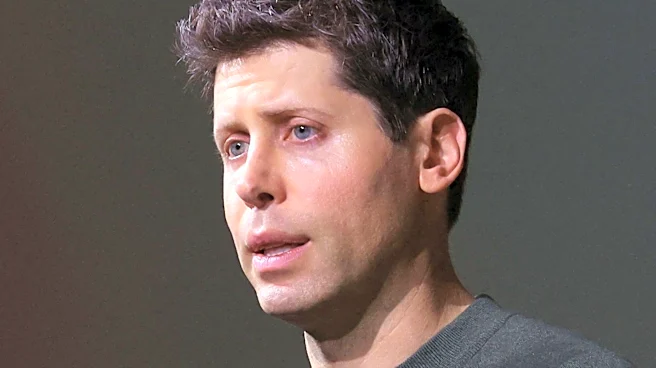
Sam Altman, CEO of OpenAI, recently claimed that the AI singularity has arrived, sparking debate among experts. The singularity refers to a point where AI improves itself rapidly, beyond human understanding or control. Altman expressed optimism about
this development, describing it as a positive change for the world. However, other tech leaders and experts have been skeptical, with many disagreeing that the singularity has been reached. The discussion highlights differing perspectives on the current state and future of AI technology.
Why It's Important?
The debate over the AI singularity is crucial as it touches on the future trajectory of AI development and its implications for society. If the singularity is indeed near, it could lead to unprecedented advancements in technology, but also raise ethical and control concerns. The skepticism from other experts suggests a need for caution and further research. This discussion impacts policymakers, tech companies, and the public, as it could influence regulations, investment in AI research, and public perception of AI technologies.
Beyond the Headlines
The conversation around the AI singularity also raises questions about the ethical use of AI and the potential for unintended consequences. As AI systems become more autonomous, issues of accountability and transparency become more pressing. The debate may lead to increased calls for ethical guidelines and oversight in AI development. Additionally, the differing views among experts highlight the complexity of predicting AI's future, emphasizing the need for diverse perspectives in shaping AI policies and practices.