


What's Happening?
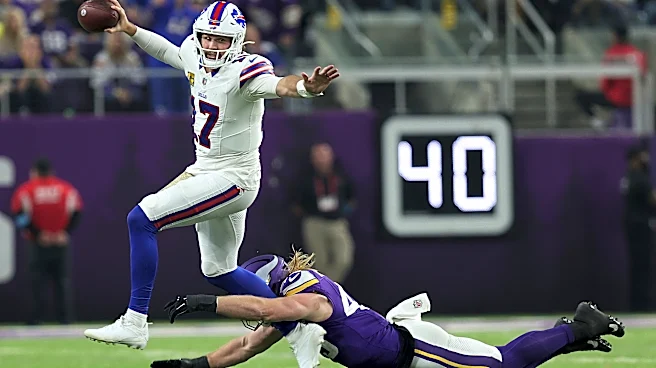
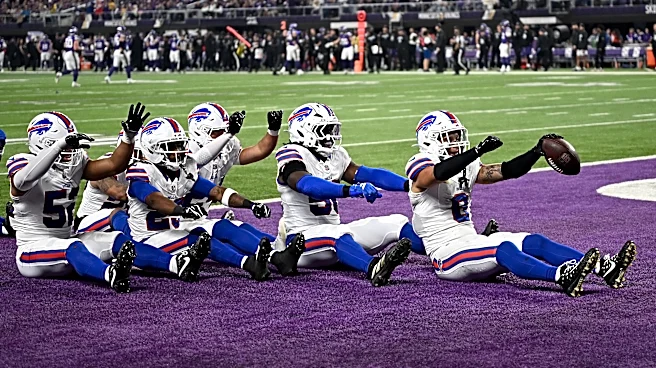
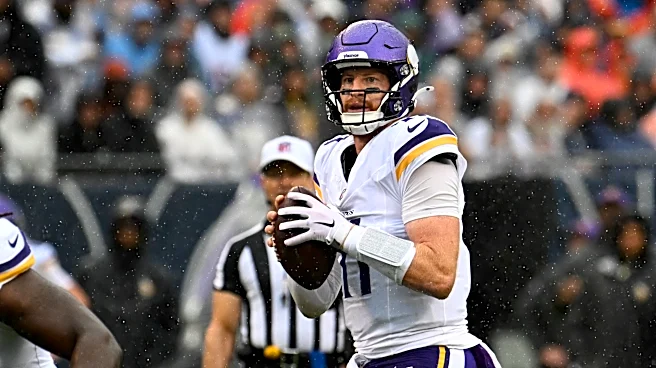
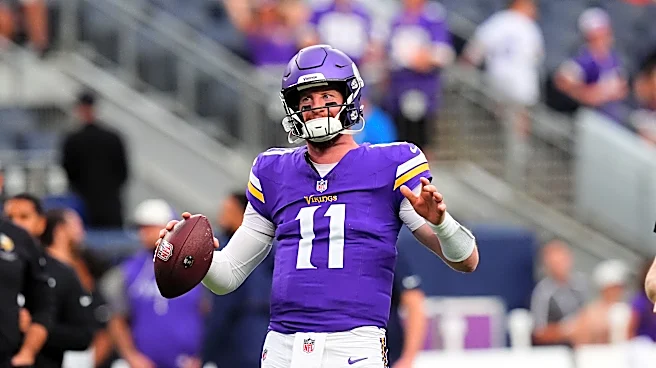
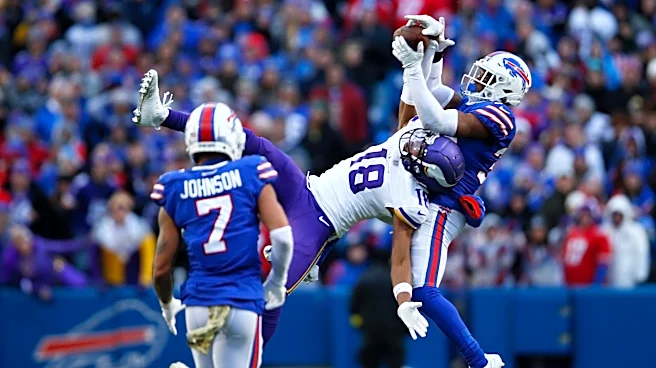
Buffalo Bills linebacker Greg Rousseau revealed that the team's defensive strategy of applying consistent pressure on the quarterback was key to the Minnesota Vikings' Carson Wentz's struggles during their Monday Night Football matchup. Rousseau, speaking
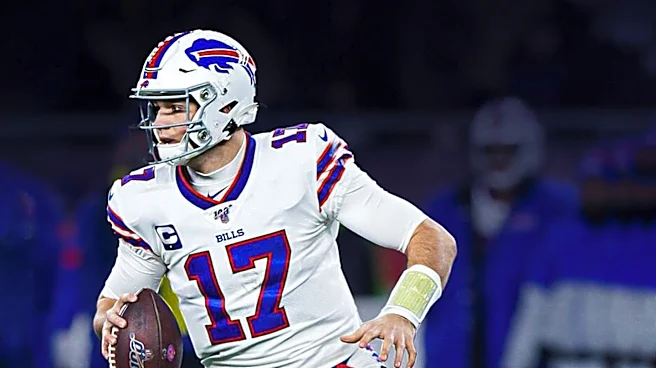
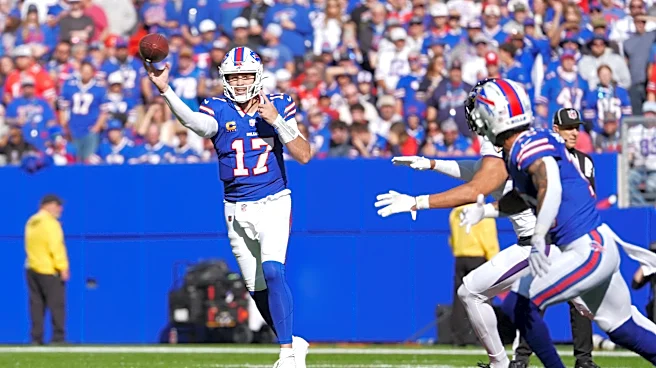
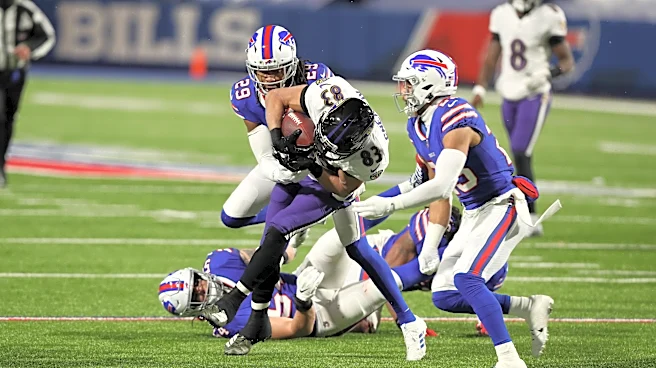
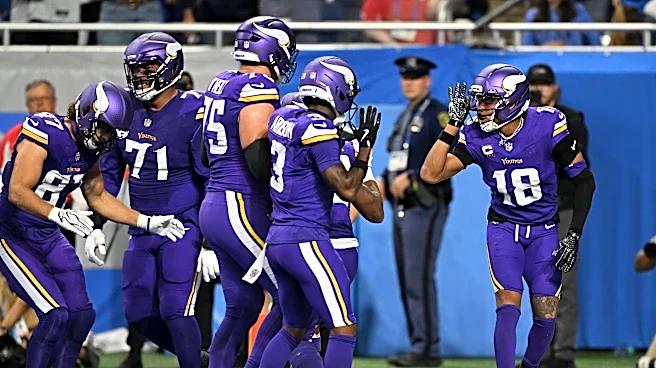
on SportsCenter after the game, explained that this approach is a weekly defensive identity for the Bills. The Bills' defense effectively limited Wentz, who completed only 8 of 25 passes for 81 yards and threw two interceptions, resulting in a passer rating of 8.9. This performance marked the second-lowest single-game passer rating in Vikings history for a starting quarterback with at least 20 pass attempts. The Vikings eventually replaced Wentz with backup quarterback Max Brosmer, but the change did not alter the game's outcome. The loss was Minnesota's second consecutive after an impressive 6-0 start to the season. Despite the Vikings' defense making it challenging for Buffalo's offense, Josh Allen and the Bills eventually found their rhythm, with Allen completing 21 of 31 passes for 234 yards and a touchdown, and running back James Cook contributing 107 rushing yards and a touchdown.
Why It's Important?
This event highlights the critical role of defensive pressure in modern NFL games and its direct impact on quarterback performance and team outcomes. For the Buffalo Bills, Rousseau's comments underscore a successful defensive philosophy that prioritizes disrupting the opposing quarterback, which is crucial for maintaining their competitive edge in the league. For the Minnesota Vikings, Wentz's poor performance and subsequent benching raise questions about quarterback stability and offensive strategy, especially for a team that had started the season strong. The ability of a defense to consistently generate pressure can neutralize even talented offensive players, forcing turnovers and limiting scoring opportunities. This dynamic affects not only game results but also player valuations, coaching strategies, and the overall competitive landscape of the NFL, influencing playoff races and championship aspirations. Teams that can effectively pressure quarterbacks often dictate the pace and flow of games, making it a vital component of success.
What's Next?
Following this decisive defensive performance, the Buffalo Bills will likely continue to emphasize their strategy of consistent quarterback pressure in upcoming games, aiming to replicate their success. This approach could become a blueprint for their defensive coordinator and a key factor in their playoff push. For the Minnesota Vikings, the struggles of Carson Wentz and his eventual replacement by Max Brosmer suggest potential re-evaluations of their quarterback situation and offensive game plan. The team will need to address how to better protect their quarterback or adapt their offensive scheme to mitigate defensive pressure. This could involve changes in offensive line assignments, play-calling, or even future personnel decisions. The Vikings' coaching staff will face pressure to adjust and prevent similar defensive dominance from future opponents, especially as they look to rebound from consecutive losses and maintain their standing in the NFC.
Beyond the Headlines
The effectiveness of the Bills' defensive pressure against Carson Wentz extends beyond a single game, illustrating a broader trend in the NFL where defensive line dominance is increasingly valued. Teams are investing heavily in pass rushers and defensive schemes that can disrupt offensive timing and force quick decisions from quarterbacks. This emphasis on defensive pressure can lead to a more dynamic and unpredictable game, as offenses are constantly challenged to adapt. Furthermore, the psychological impact on quarterbacks who face relentless pressure can be significant, affecting their confidence and decision-making throughout a season. This game also highlights the fine line between a successful season start and a mid-season slump, demonstrating how quickly team fortunes can change based on key positional performances and strategic execution. The long-term implications could see more teams prioritizing defensive line talent and innovative blitz packages to gain a competitive advantage.