



What's Happening?
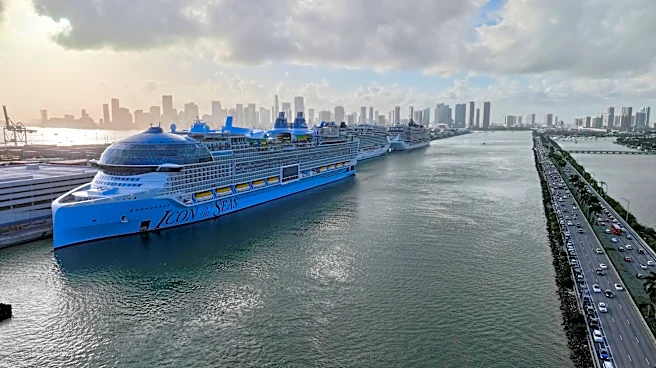
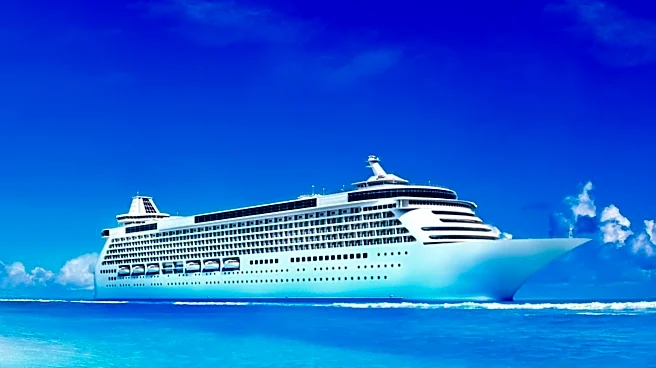
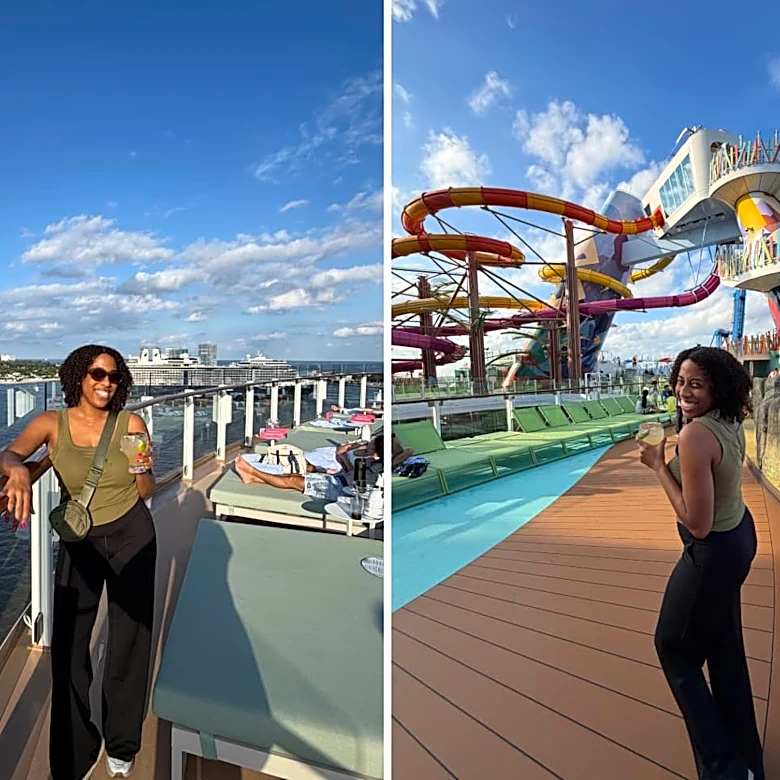
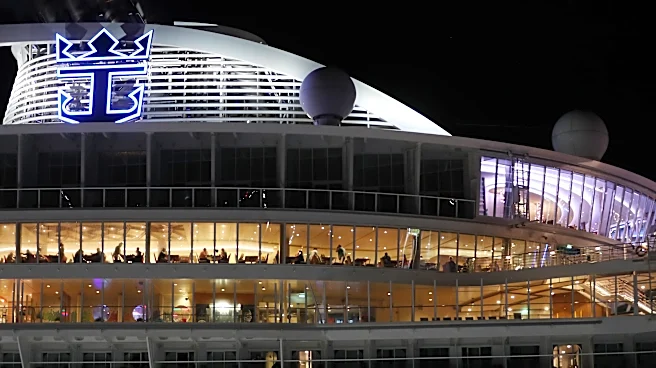
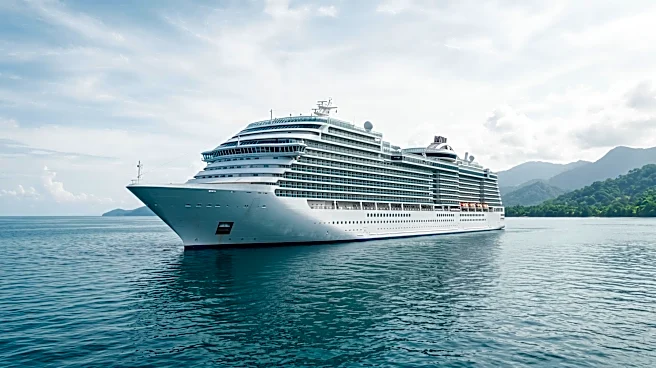
Royal Caribbean's Legend of the Seas, one of the world's largest cruise ships, has been noted for providing a surprisingly uncrowded and high-quality experience despite its substantial capacity. Passengers found ample space in pools, restaurants, and lounges,
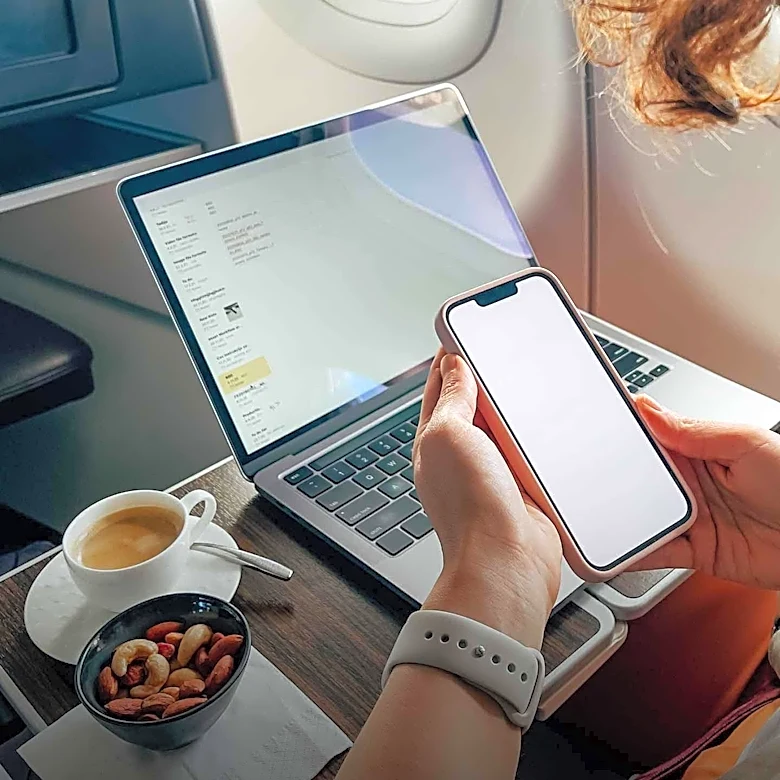
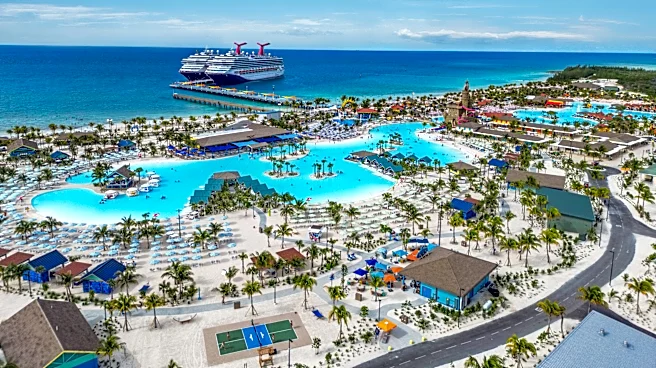
with exceptions during peak events. The entertainment offerings exceeded expectations, featuring high-caliber productions like the AquaTheater show and ice skating performances, alongside live music and interactive activities such as escape rooms. Dining options ranged from casual to sophisticated, with a particular highlight being an eight-course tasting menu at the Old Hollywood Supper Club. Cabins, specifically the Spacious Infinite Ocean View Balcony Room, were found to be more comfortable and spacious than anticipated, offering thoughtful layouts and extensive storage. Navigation throughout the large ship was facilitated by clear signage, helpful crew, and robust onboard Wi-Fi, which also aided in planning activities at private island stops.
Why It's Important?
This development is important for the cruise industry as it addresses common passenger concerns regarding overcrowding and the quality of onboard experiences on large vessels. Royal Caribbean's ability to manage crowds effectively on a ship designed for thousands of passengers sets a benchmark for other cruise lines. The emphasis on high-quality entertainment and diverse dining options, including upscale experiences, suggests a strategic move to cater to a broader range of passenger preferences, potentially attracting new demographics to cruising. The positive feedback on cabin spaciousness and ease of navigation could influence future ship designs and marketing strategies across the industry, highlighting that size does not necessarily compromise comfort or personalized experiences. This could lead to increased consumer confidence in large-scale cruise vacations, impacting booking trends and revenue for major cruise operators.
What's Next?
Looking ahead, other cruise lines may analyze Royal Caribbean's approach to crowd management, entertainment programming, and cabin design on the Legend of the Seas. This could lead to an industry-wide re-evaluation of how large cruise ships are designed and operated to enhance passenger satisfaction. Royal Caribbean itself may leverage this positive feedback in its marketing campaigns, emphasizing the spaciousness and quality of its offerings to attract more bookings. The success of unique dining experiences like the Old Hollywood Supper Club might encourage the development of more specialized, reservation-only venues across the fleet. Furthermore, the effective use of onboard Wi-Fi for navigation and planning could become a standard expectation, prompting further investment in connectivity infrastructure across the cruise sector.
Beyond the Headlines
The success of the Legend of the Seas in delivering a premium experience on a large scale points to a broader evolution in the travel and leisure industry. It challenges the perception that larger venues inherently lead to a diminished, impersonal experience. This shift could influence other sectors, such as large-scale resorts or theme parks, to rethink their strategies for managing crowds and enhancing individual guest experiences. Ethically, the ability to provide ample personal space and diverse activities on a massive ship raises questions about sustainable tourism and resource management, as larger ships consume more resources. Culturally, the blend of high-caliber entertainment and sophisticated dining options reflects a growing demand for diverse and enriching experiences, moving beyond traditional cruise stereotypes. This trend suggests a future where mass tourism can still offer personalized and high-quality engagements.