





What's Happening?
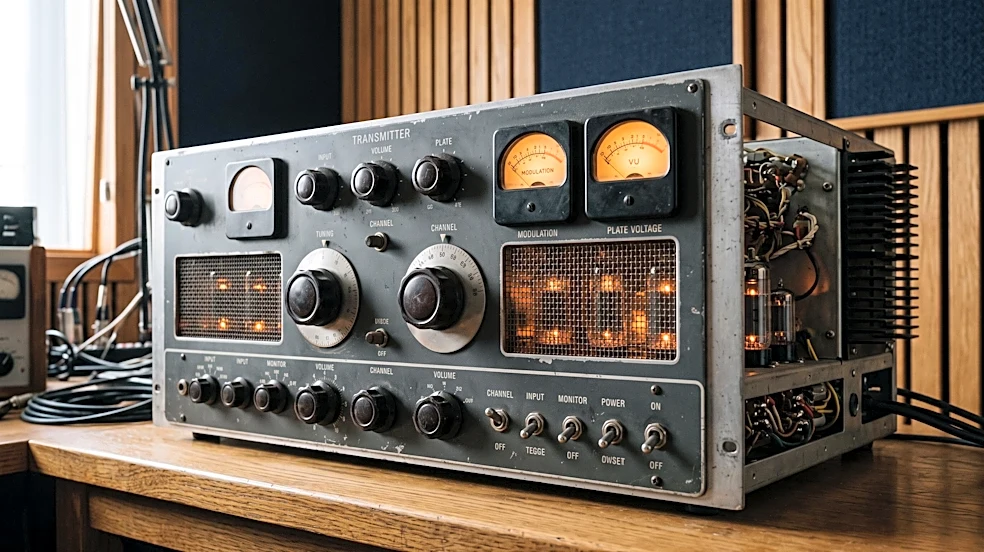
In 1966, WOR-FM in New York City transitioned into a prototype freeform radio station, particularly on the East Coast. This shift was prompted by an FCC decree that prevented AM and FM stations owned by the same entity from broadcasting identical content.
WOR-FM, previously a talk station, began playing album cuts and even entire album sides, a radical departure from the prevailing Top 40 format that focused solely on hit singles. This innovative approach allowed bands like the Blues Project and the Paul Butterfield Blues Band to gain traction and appear on Billboard album charts without having hit singles. The station also championed artists such as Vanilla Fudge, Janice Ian, and The Doors before their mainstream success, fostering what became known as the 'album underground.'
Why It's Important?
WOR-FM's pioneering move into freeform radio significantly impacted the U.S. music industry and radio broadcasting. By playing album tracks rather than just singles, it created a new avenue for artists whose work was not designed for the Top 40 format. This fostered the growth of album-oriented rock and allowed for greater artistic expression in music, shifting the focus from individual hit songs to entire albums as cohesive works. The success of WOR-FM demonstrated that there was a substantial audience for this type of programming, leading record labels to recognize the commercial viability of rock albums beyond their single releases. This era marked a crucial development in how music was consumed and promoted, laying groundwork for future alternative and progressive rock formats.
What's Next?
The legacy of freeform radio, as pioneered by stations like WOR-FM, continues to influence modern broadcasting and music curation. While traditional freeform stations are less common today, the concept of playing diverse, non-single-driven music persists in various forms, including college radio, independent online stations, and specialized streaming playlists. The shift towards album-oriented listening fostered by these early stations also paved the way for the album to become a primary artistic statement for musicians. Future trends may see a resurgence of curated, non-commercial radio experiences, potentially leveraging digital platforms to offer listeners a broader and more eclectic range of music beyond mainstream hits, echoing the spirit of WOR-FM's original innovation.
Beyond the Headlines
WOR-FM's transformation in the 1960s represents a pivotal moment in the cultural landscape, reflecting a broader societal shift towards counter-culture and artistic experimentation. The station's willingness to break from established norms in radio programming mirrored the era's desire for authenticity and depth in music. This development also highlighted the power of radio as a cultural arbiter, capable of shaping public taste and launching new musical movements. The 'album underground' it helped create was not just about music; it was about fostering a community of listeners who sought more than just commercial hits, contributing to the diverse and rich tapestry of American music history. This period underscored the symbiotic relationship between media, artists, and audience in driving cultural evolution.