




What's Happening?
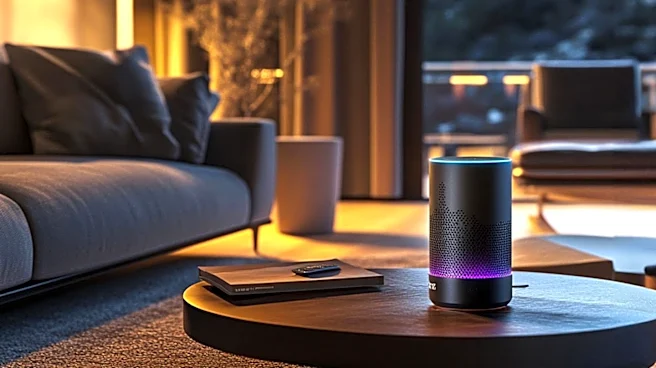
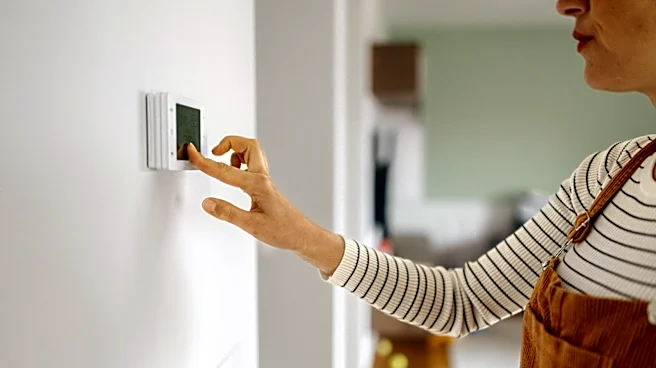
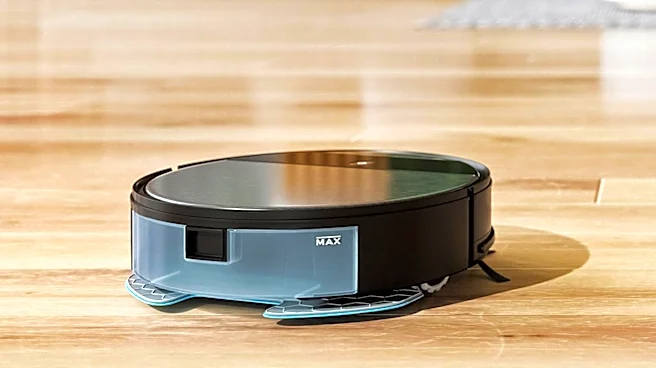
Smart homes, while offering convenience and automation, are contributing to higher electric bills due to 'phantom load' or 'vampire power' from always-on devices. Common culprits include smart speakers, streaming devices, smart TVs, and security cameras,
which remain in standby mode, consuming electricity continuously. The article provides tips to reduce energy consumption, such as disabling unused features, unplugging devices, and using smart power strips. These measures can help mitigate the financial impact of maintaining a smart home.
Why It's Important?
As energy costs rise, the financial burden of maintaining a smart home becomes more significant for consumers. Understanding and managing the energy consumption of smart devices is crucial for reducing household expenses. This issue highlights the need for greater consumer awareness and potentially more energy-efficient smart home technologies. Addressing these concerns can lead to more sustainable energy use and cost savings for consumers.
What's Next?
Consumers are encouraged to audit their smart home setups and implement energy-saving measures. The development of more energy-efficient smart devices and increased consumer education on energy management are likely to follow. Manufacturers may also respond by designing products that minimize energy consumption without sacrificing functionality. These steps could lead to a more sustainable approach to smart home technology.
Beyond the Headlines
The reliance on smart home technology raises questions about energy sustainability and the environmental impact of increased electricity consumption. As smart homes become more prevalent, the cumulative effect on energy resources and the environment could be significant. This underscores the importance of developing technologies that balance convenience with environmental responsibility.