


What's Happening?
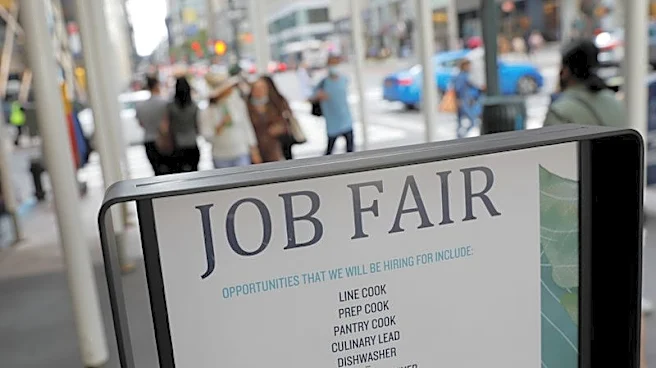
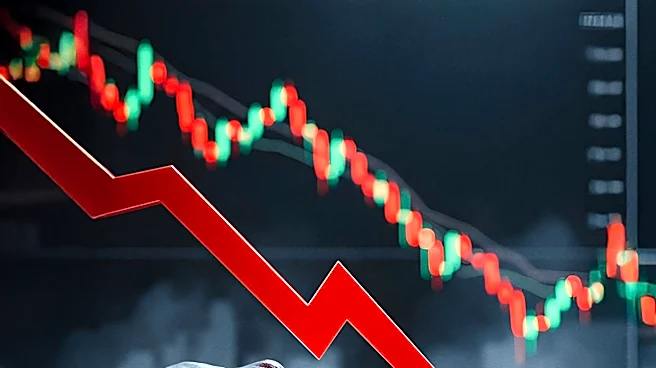
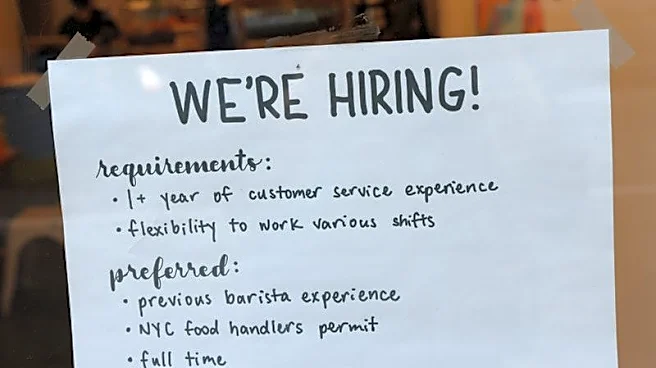
The U.S. labor market showed signs of weakening as employers cut 23,000 jobs in July, according to the Bureau of Labor Statistics. This figure fell short of analysts' expectations and followed downward revisions of job growth estimates for May and June.
The unemployment rate decreased slightly to 4.1%, but the labor force participation rate also dropped to 61.4%, the lowest since February 2021. Average hourly earnings rose marginally, but not enough to keep pace with inflation, raising concerns about workers' purchasing power.
Why It's Important?
The job losses and declining participation rate indicate potential challenges for the U.S. economy, affecting consumer confidence and spending. Sectors like retail and financial activities saw significant job cuts, while health care was one of the few industries to add jobs. The data suggests a 'low-hire, low-fire' dynamic, with fewer job opportunities and increased competition among job seekers. This environment could influence Federal Reserve decisions on interest rates, as policymakers balance inflation concerns with labor market conditions.
What's Next?
The upcoming Consumer Price Index report will provide further insights into inflation trends, which, along with labor market data, will inform the Federal Reserve's interest rate decisions in September. Analysts will watch for any signs of a rebound in job growth or further declines in employment. Businesses and policymakers may need to consider strategies to stimulate job creation and support workers in a challenging economic landscape. The evolving labor market dynamics will be crucial for economic planning and policy adjustments.