


What's Happening?
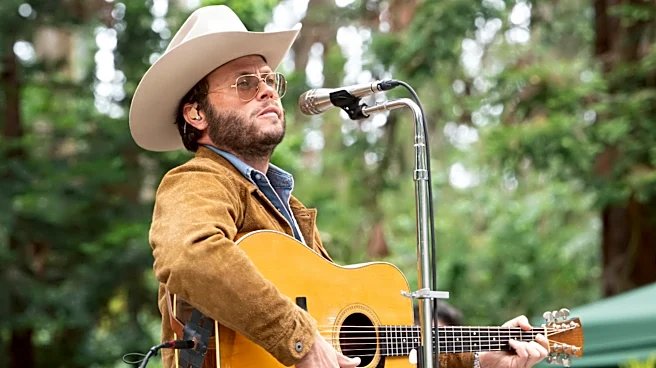
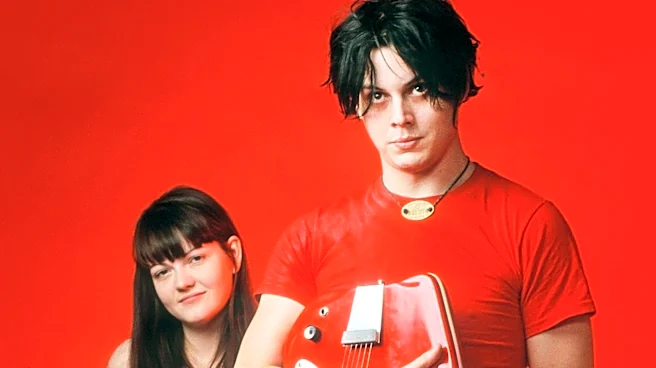
Jack White has publicly responded to Charley Crockett's recent criticisms, which arose after Crockett dropped the 'Satanic doo-wop' group Twin Temple from his tour. Crockett, in a now-deleted Instagram post, cited production requests that 'raised eyebrows'
and concerns about Twin Temple's aesthetic being unsuitable for 'all-ages audience.' He also expressed anger towards White for offering Twin Temple an opening slot on his own tour, accusing White of using the controversy to sell tickets and questioning White's past political outspokenness. White, in turn, mocked Crockett's 'cowboy shtick' by posting the lyrics to Shawn Brown's 1984 novelty rap track 'Rappin’ Duke,' a song about a rapping John Wayne. White prefaced his post by stating, 'I never said nothing about this young buck before, but since he’s trying to drag me into this here rodeo again, here’s my official response to Cowboy Charley’s accusations.'
Why It's Important?
This public spat between two prominent musicians highlights the ongoing tension between artistic expression, audience expectations, and commercial interests within the music industry. Crockett's decision to remove Twin Temple from his tour, citing concerns about their 'Satanic aesthetic' and 'all-ages audience,' reflects a common dilemma faced by artists regarding controversial acts and their potential impact on broader fan bases. White's subsequent offer to Twin Temple and his mocking response to Crockett underscore a differing philosophy on artistic freedom and the handling of public disputes. This incident could influence how artists and promoters approach tour lineups, particularly when dealing with acts that push boundaries. It also brings into focus the role of social media in amplifying such conflicts, allowing artists to directly engage with and respond to criticisms, often in an unfiltered manner, which can further polarize opinions among fans and industry observers.
What's Next?
The immediate aftermath of this exchange will likely see continued discussion and debate among fans and music critics regarding artistic freedom, tour ethics, and the public personas of both Jack White and Charley Crockett. Twin Temple, having gained an opening slot on White's tour, may see increased visibility and potentially a broader audience, benefiting from the controversy. Crockett might face further scrutiny or support for his stance on 'all-ages' appropriateness, potentially influencing his future tour decisions and collaborations. The incident could also prompt other artists and venues to re-evaluate their policies on controversial acts and how they manage public relations around such issues. Social media will likely remain a key platform for ongoing commentary and reactions from all parties involved, shaping public perception and potentially influencing future career trajectories.
Beyond the Headlines
Beyond the immediate celebrity feud, this incident touches upon deeper societal discussions about censorship, artistic boundaries, and moral responsibility in entertainment. Crockett's concern for an 'all-ages audience' reflects a broader cultural debate about protecting younger demographics from potentially provocative content, while White's actions could be seen as a defense of artistic freedom and expression, regardless of perceived controversy. The use of 'Satanic' imagery, often a lightning rod for public debate, highlights the persistent tension between religious or moral sensibilities and artistic license. This conflict also underscores the evolving nature of 'political issues' in music, as Crockett's questioning of White's past political outspokenness suggests that what constitutes a 'political issue' can be fluid and subject to interpretation. Ultimately, this event serves as a microcosm of the ongoing negotiation between creative expression and societal norms in the public sphere.