







What's Happening?
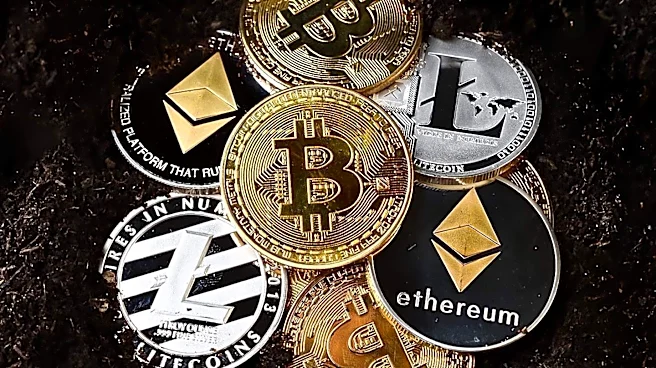
Litecoin (LTC), created in 2011, is designed as a faster and lower-cost alternative to Bitcoin, primarily for everyday payments and value transfer. It aims to be 'digital silver' to Bitcoin's 'digital gold.' Litecoin processes transactions more quickly,
with a new block generated every 2.5 minutes compared to Bitcoin's 10 minutes, and features significantly lower fees. Technologically, Litecoin is a fork of Bitcoin's code but utilizes a different mining algorithm (Scrypt) and has a fixed maximum supply of 84 million LTC, four times that of Bitcoin. Recent developments include the MimbleWimble Extension Block (MWEB) for optional confidential transactions and projects like LitVM, which are building an Ethereum-compatible layer-2 to introduce smart contracts and DeFi capabilities without altering Litecoin's core stable layer.
Why It's Important?
Litecoin's focus on fast, low-cost transactions makes it a relevant player in the evolving digital payment landscape, potentially impacting U.S. consumer spending habits and merchant adoption of cryptocurrencies. Its design as a transactional utility could offer a more efficient alternative for micro-transactions compared to traditional banking systems or even Bitcoin. The introduction of features like MWEB for confidential transactions and the development of an Ethereum-compatible layer-2 through LitVM signify a strategic move to expand its utility beyond simple payments. This expansion into smart contracts and DeFi could attract a broader range of users and developers, potentially fostering innovation in the U.S. blockchain ecosystem and challenging existing financial service providers. The competition among cryptocurrencies to offer superior transactional capabilities and broader functionality is crucial for the long-term viability and adoption of digital assets in the U.S. economy.
What's Next?
Litecoin's future trajectory will likely involve continued efforts to enhance its transactional utility and expand its ecosystem through initiatives like LitVM. The success of its MimbleWimble Extension Block (MWEB) in providing confidential transactions will be a key factor in its appeal to users seeking privacy. The integration of smart contracts and DeFi capabilities via layer-2 solutions could position Litecoin as a more versatile platform, attracting developers and users from the broader blockchain community. The adoption rate by merchants and consumers for everyday payments will be a critical indicator of its success as 'digital silver.' The cryptocurrency will also need to navigate the evolving regulatory landscape in the U.S., ensuring compliance while continuing to innovate. Its ability to maintain its speed and low fees while scaling will be essential for sustained growth and relevance.
Beyond the Headlines
Litecoin's journey from a Bitcoin fork to a platform expanding into DeFi and confidential transactions highlights the dynamic nature of the cryptocurrency space. The ethical implications revolve around the balance between privacy-enhancing features like MWEB and the regulatory demands for transparency to combat illicit activities. Legally, the classification and regulation of cryptocurrencies like Litecoin, especially as they integrate more complex functionalities, remain a challenge for U.S. authorities. Culturally, Litecoin's positioning as 'digital silver' reflects a broader narrative within the crypto community to differentiate assets based on their intended use cases, moving beyond mere speculative value. The long-term shift could see a diversification of digital assets, where different cryptocurrencies serve distinct economic functions, potentially leading to a more mature and specialized digital economy. This evolution underscores the ongoing quest for a stable, efficient, and widely adopted digital currency for everyday use.