




What's Happening?
The perception that adult animation must feature mature-looking characters or dark aesthetics is being challenged by various animated works. Many successful adult animations utilize bright colors, exaggerated expressions, and simple character designs,
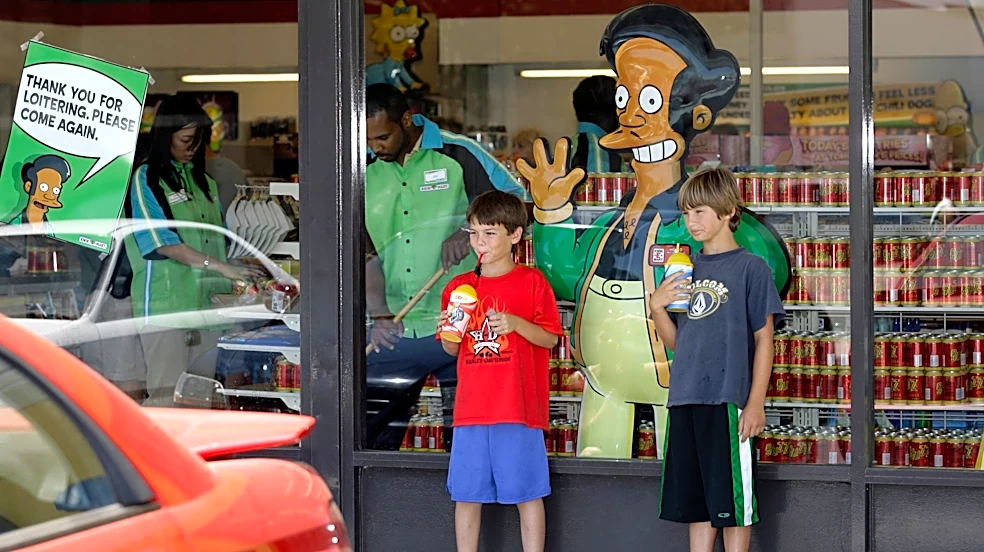
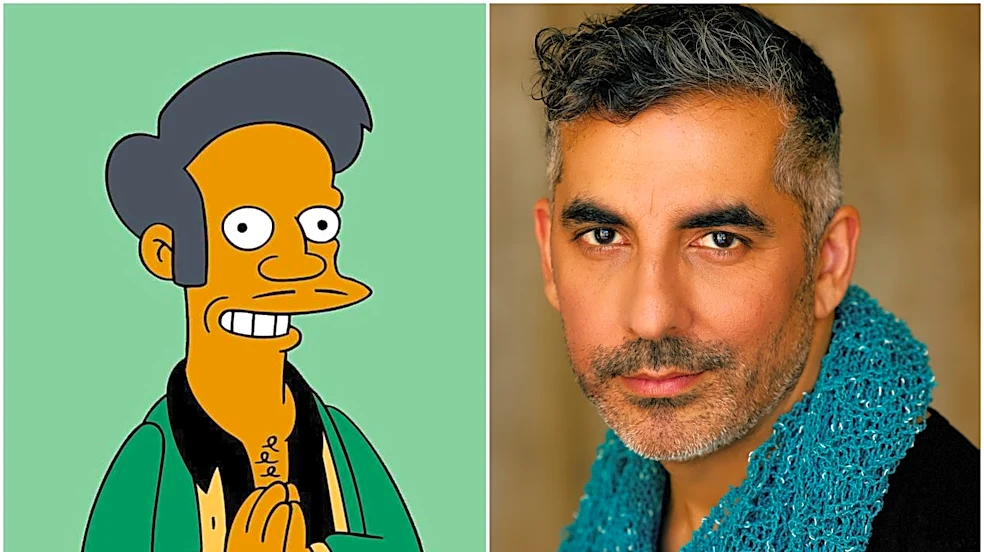
often associated with children's content, to convey complex themes. Examples like 'The Simpsons' use playful appearances to deliver sharp satire on politics and consumerism, while 'Happy Tree Friends' employs cute woodland creatures to subvert expectations with graphic violence and dark comedy. Even works not exclusively adult-oriented, such as 'Detective Conan' and 'Chiikawa,' demonstrate how innocent designs can explore serious or unsettling narratives. This trend highlights that visual style does not inherently dictate a story's target audience or its narrative complexity.
Why It's Important?
This shift in adult animation is important for the creative industry, particularly for animation studios, as it opens new avenues for storytelling and visual development. By decoupling visual maturity from thematic maturity, creators can engage audiences in unexpected ways, potentially broadening the appeal of animated content. This approach allows for a more nuanced exploration of themes, where the contrast between visual style and narrative content can create a stronger emotional or intellectual impact. For instance, using a cheerful color palette to introduce a disturbing moment can make the horror more profound. This creative freedom can lead to more innovative and distinctive animated productions, challenging conventional genre boundaries and enriching the landscape of visual media.
What's Next?
Animation studios are increasingly recognizing the opportunity to develop unique storytelling approaches by aligning character design, art direction, and narrative intent. This means moving beyond assumptions about what adult animation 'should' look like and instead focusing on what emotions or understandings the audience should experience. The goal is to use visual conventions deliberately, rather than rejecting them entirely, to support complex themes and create memorable experiences. Studios like DeeDee Animation Studio are emphasizing creative development stages, including character design and visual development, to establish a visual language that serves the story and resonates with its intended audience, regardless of whether the aesthetic is adorable or unconventional.
Beyond the Headlines
The deliberate use of contrasting visual styles and narrative content in adult animation raises interesting ethical and cultural implications. It challenges the notion that certain visual cues are exclusively tied to specific age groups or thematic content, potentially blurring the lines between what is considered 'child-friendly' and 'adult-oriented.' This could lead to discussions about media literacy and how audiences, especially younger ones, interpret visual information when it's paired with complex or mature themes. Furthermore, it highlights the power of visual language in shaping perception and emotion, demonstrating that art direction is not merely decorative but a fundamental component of storytelling that can subvert expectations and provoke deeper thought.