




What's Happening?
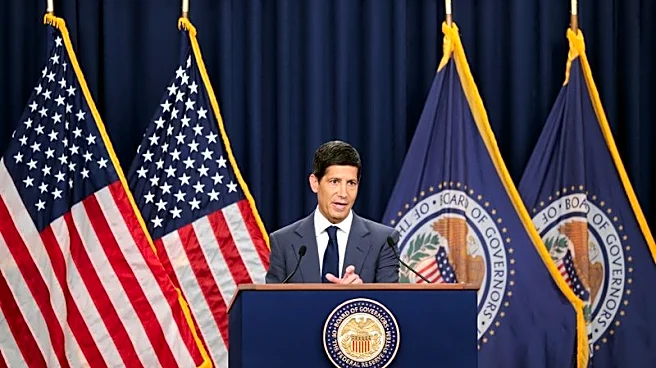
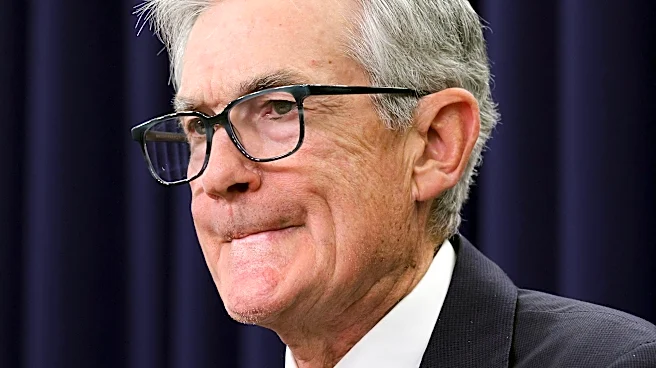
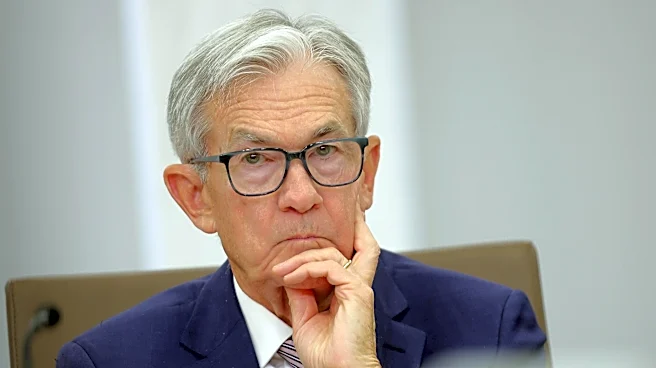
Federal Reserve Chairman Kevin Warsh is confronting a significant policy challenge as an AI-linked stock market selloff coincides with stubbornly high inflation. Core PCE inflation rose to 3.3% in October, remaining above the Fed's 2% target for over
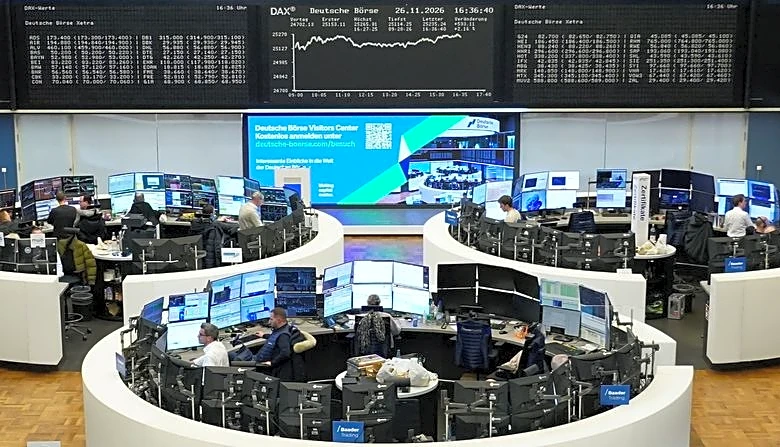
five years. This situation echoes a dilemma Warsh faced in December 2018, when, as an outsider, he urged the Fed to pause its tightening campaign during a stock market decline. However, the current economic landscape differs significantly, with inflation being a much more pressing concern. Fed officials are increasingly viewing AI-driven demand as a source of persistent price pressure, making an orderly decline in AI-linked stocks potentially seen as a useful tightening mechanism rather than a reason to halt rate hikes. Markets widely anticipate another rate hike at the upcoming December 8-9 meeting, with internal divisions among officials regarding subsequent actions.
Why It's Important?
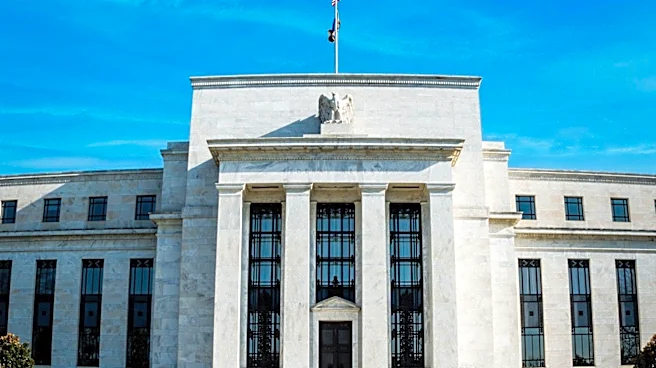
This situation is critical for the U.S. economy as it tests the Federal Reserve's resolve in combating inflation while navigating potential market instability. If Chairman Warsh prioritizes taming inflation, further rate hikes could lead to a deeper stock market correction, impacting investor confidence and potentially slowing economic growth. Conversely, if the Fed signals a pause due to market turmoil, it risks entrenching higher inflation expectations, which could have long-term negative consequences for purchasing power and economic stability. The outcome will significantly influence various stakeholders, including investors in AI-linked companies, consumers facing rising prices, and businesses planning future investments. The Fed's decision will also set a precedent for how it balances its dual mandate of price stability and maximum employment in an era of rapid technological advancement and evolving economic pressures.
What's Next?
Markets are largely expecting another rate hike at the Federal Reserve's December 8-9 meeting. The key signal for future policy will be the Fed's December projections, which are anticipated to indicate further rate increases. While some officials might favor pausing after one more hike if commodity prices ease inflation, others hold a more hawkish stance, with some suggesting three additional hikes next year could be warranted. A disorderly selloff, particularly in credit markets tied to the over $800 billion of AI-related debt, remains a significant concern that could potentially shift the Fed's approach. The Fed's communication following the December meeting will be closely scrutinized for clues on the future trajectory of monetary policy and its willingness to tolerate market volatility in pursuit of its inflation target.
Beyond the Headlines
The current dilemma highlights a fundamental tension in modern monetary policy: how central banks should respond to market fluctuations when inflation is persistently high. Warsh's past advocacy for considering market prices alongside economic data, contrasted with his current position as Fed Chair facing entrenched inflation, underscores the complexity. The sheer scale of AI-related debt, estimated at over $800 billion with significantly more in off-balance-sheet commitments, introduces a new layer of systemic risk. A credit market disruption in this sector could have far-reaching consequences beyond equity markets, potentially impacting the broader financial system and real economy. This scenario also raises questions about the 'Fed put' — the market's expectation that the central bank will intervene to cushion significant selloffs — and whether the Fed is willing to disabuse markets of this notion to achieve its inflation goals.