





What's Happening?
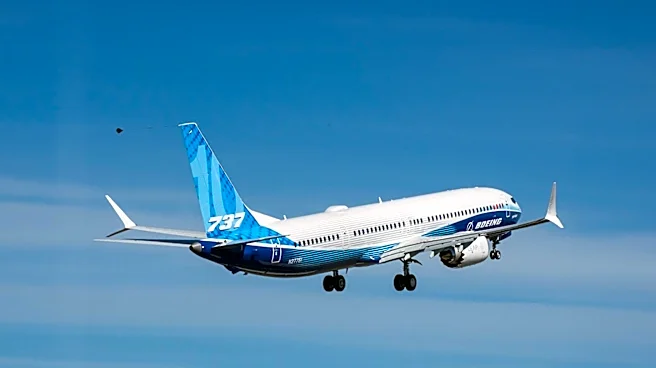
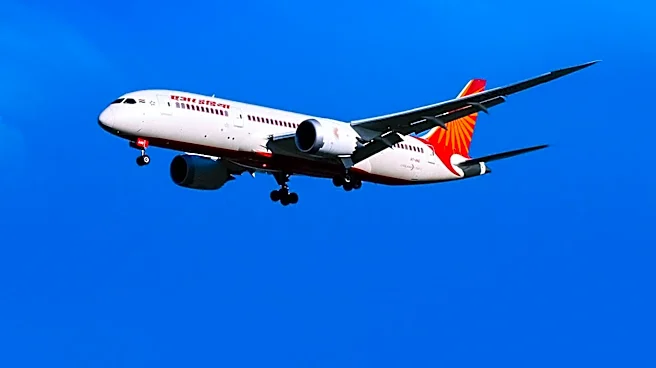
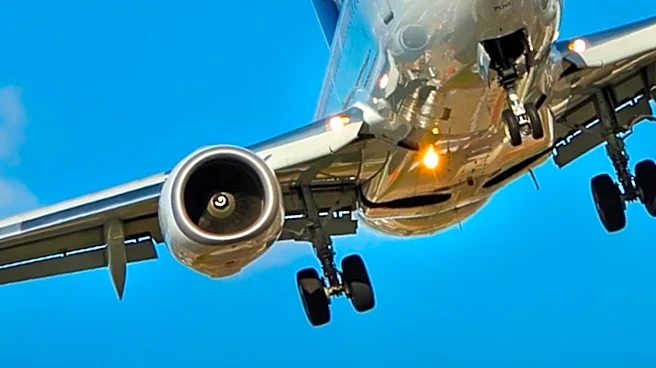
The Federal Aviation Administration (FAA) has announced that Boeing will be permitted to resume self-certifying its 737 Max and 787 aircraft as airworthy, starting next week. This decision follows months of review by the FAA, which concluded that Boeing's
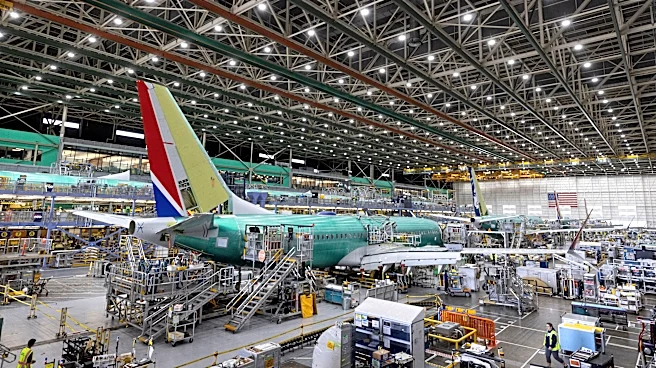
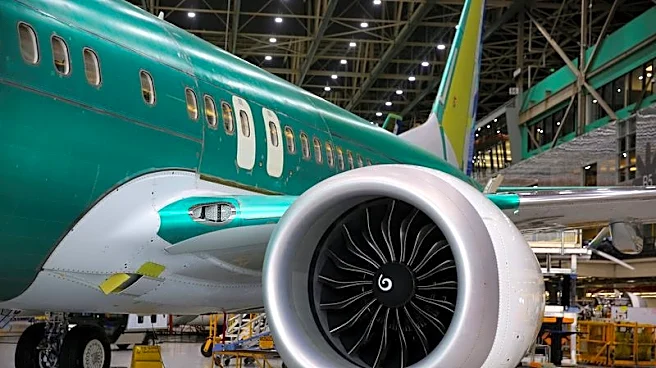
final safety checks are sufficient to ensure airworthiness. Since September, Boeing and the FAA have alternated weekly in performing these safety checks. The FAA's decision comes after it had taken full control over 737 Max approvals in 2019 following two fatal crashes linked to a software system developed by Boeing. The FAA had also revoked Boeing's self-certification rights for the 787 Dreamliners in 2022 due to production quality issues. Despite the resumption of self-certification, government inspectors will continue to oversee Boeing's factories, focusing on identifying and addressing potential defects earlier in the manufacturing process.
Why It's Important?
The FAA's decision to allow Boeing to resume self-certification is significant for the aviation industry, as it marks a shift in regulatory oversight following high-profile safety concerns. This move could potentially streamline Boeing's production and delivery processes, which had been hampered by increased regulatory scrutiny. For Boeing, regaining self-certification rights is a step towards restoring its reputation and operational efficiency. However, the decision also places a renewed emphasis on Boeing's internal safety protocols and the effectiveness of its quality control measures. The broader aviation industry will be watching closely to see if Boeing can maintain high safety standards under this new arrangement, as any further safety lapses could lead to increased regulatory intervention and impact public trust.
What's Next?
As Boeing resumes self-certification, the company will need to demonstrate its commitment to safety and quality assurance to both regulators and the public. The FAA will continue to monitor Boeing's compliance with airworthiness certification requirements, and any significant issues could prompt a reevaluation of the self-certification privileges. Additionally, Boeing's ability to manage production and delivery schedules effectively will be crucial in meeting market demands and maintaining competitive advantage. The aviation industry will be keenly observing how Boeing navigates this transition and whether it can leverage this regulatory change to enhance its market position.