



What's Happening?
Pilates is recognized for its effectiveness in strengthening the core, enhancing flexibility, and fostering overall body awareness. This exercise method is known to improve flexibility, strength, and posture, while also helping to alleviate pain in the back,
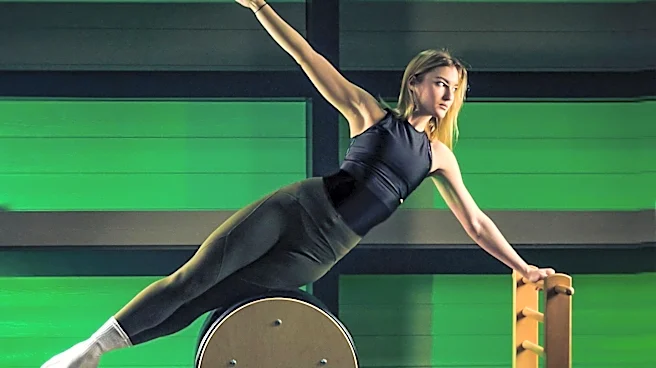
neck, and joints. Pilates Reformer exercises, in particular, focus on breath control, maintaining a neutral spine and pelvic position, controlled movements, and precision. These elements are crucial for achieving proper postural alignment and aiding in rehabilitation. The practice supports improved strength and movement through controlled exercises that prioritize posture, balance, core control, flexibility, and steady movement. Additionally, Pilates is beneficial for muscle toning and strength development, contributing to functional strength and better performance in daily activities and sports.
Why It's Important?
The emphasis on Pilates highlights a growing recognition of holistic approaches to physical well-being in the U.S. healthcare and fitness industries. Its focus on core strength and postural alignment can significantly impact public health by reducing chronic pain conditions, particularly those related to the back and neck, which are prevalent issues affecting productivity and quality of life. For individuals recovering from injuries or seeking rehabilitation, Pilates offers a structured and controlled method to regain strength and mobility, potentially reducing reliance on more invasive treatments. The method's ability to improve functional strength and performance in daily activities and sports means it can benefit a wide demographic, from athletes to the elderly, promoting active and healthier lifestyles. This trend could lead to increased demand for certified Pilates instructors and specialized studios, creating economic opportunities within the wellness sector.
What's Next?
Given the increasing awareness of Pilates' benefits, it is likely that more healthcare providers and physical therapists will integrate Pilates into their recommended rehabilitation and preventative care programs. This could lead to a rise in collaborations between medical professionals and Pilates studios. Furthermore, the fitness industry may see an expansion of specialized Pilates classes, including those tailored for specific populations such as postpartum individuals, seniors, or athletes. Educational institutions and certification bodies might also experience higher demand for Pilates instructor training programs to meet the growing need for qualified professionals. Technological advancements could also play a role, with more online platforms offering virtual Pilates classes and personalized training programs, making the practice more accessible to a broader audience.
Beyond the Headlines
Beyond its physical benefits, Pilates offers deeper implications for mental well-being and the mind-body connection. The practice's emphasis on precision and controlled movement often acts as a form of moving meditation, fostering mindfulness and reducing stress. This aspect is particularly relevant in a society grappling with increasing stress levels and mental health challenges. By promoting body awareness, Pilates encourages individuals to listen to their bodies and understand their physical limits, leading to a more intuitive and sustainable approach to health. This can shift societal perspectives on exercise from purely performance-driven goals to a more balanced view that values holistic well-being. The discipline and focus required in Pilates can also translate into improved concentration and self-discipline in other areas of life, contributing to overall personal development.