


What's Happening?
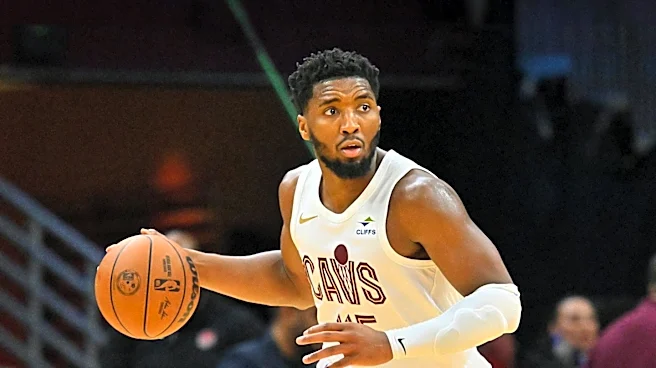
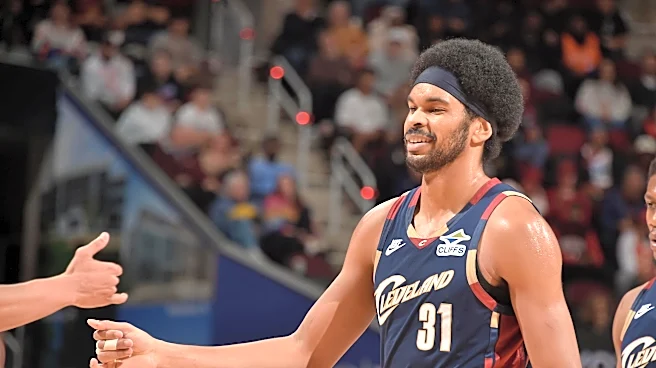
NBA star Donovan Mitchell recently revealed that he consumed alcohol the night before his career-high 71-point performance against the Chicago Bulls on January 2, 2023. During an appearance on the 'Cousins' podcast with Vince Carter and Tracy McGrady,
Mitchell explained that he had 'a few drinks' on New Year's Eve, a rare occurrence for him before a game. He stated that he had never done so before in his career and hasn't since. Mitchell's historic night helped the Cleveland Cavaliers secure a 145-134 overtime victory. Despite scoring only 16 points in the first half and his team trailing by 20, Mitchell went on to score 24 points in the third quarter, 18 in the fourth, and 13 in overtime, ultimately leading the comeback. He finished the game with 71 points, 8 rebounds, and 11 assists, becoming the first player in NBA history to achieve at least 70 points and 10 assists in a single game.
Why It's Important?
Donovan Mitchell's candid admission offers a unique, albeit unconventional, perspective on athletic performance and preparation. While not advocating for pre-game alcohol consumption, his statement highlights the unpredictable nature of individual athletic achievements and the various factors, both conventional and unconventional, that athletes might perceive as contributing to their peak performances. This revelation could spark discussions within sports psychology and athletic training communities about the mental and physical states that can lead to extraordinary results, even if those states are induced by non-traditional means. It also underscores the human element in professional sports, reminding fans and analysts that athletes, despite their elite status, are subject to personal experiences and choices that can influence their professional output. The story adds another layer to the narrative of one of the NBA's most memorable scoring nights, providing an unexpected backstory to a significant career milestone.
What's Next?
Mitchell's comments are likely to be a talking point in sports media and among fans, potentially leading to further interviews or discussions where he might elaborate on his mindset during that specific period. While he explicitly stated this was a one-time occurrence and not a regular practice, the anecdote could become part of his career lore. It is improbable that this revelation will lead to any disciplinary action, given that it occurred well in the past and was a personal admission rather than a violation of league rules. However, it might prompt other athletes to reflect on and potentially share their own unusual pre-game routines or experiences that led to exceptional performances. The Cavaliers, as a team, will likely continue to focus on traditional training and preparation methods for their upcoming seasons, aiming for a title push, as Mitchell himself noted that he judges his performances by different parameters.
Beyond the Headlines
This story delves into the less-explored psychological aspects of elite athletic performance. Mitchell's casual attribution of his record-breaking game to alcohol consumption, even if facetious or anecdotal, touches upon the complex interplay between an athlete's physical condition, mental state, and external factors. It raises questions about the role of routine versus spontaneity, and whether a deviation from the norm, even an unconventional one, can sometimes unlock unexpected potential or simply remove mental blocks. The narrative also subtly challenges the often-rigid perceptions of what constitutes optimal athletic preparation, suggesting that sometimes, an athlete's personal experience, however unusual, can contribute to a memorable moment. It highlights the individual nature of success and the diverse paths athletes take to achieve greatness, even if those paths include a New Year's Eve drink.