
What's Happening?
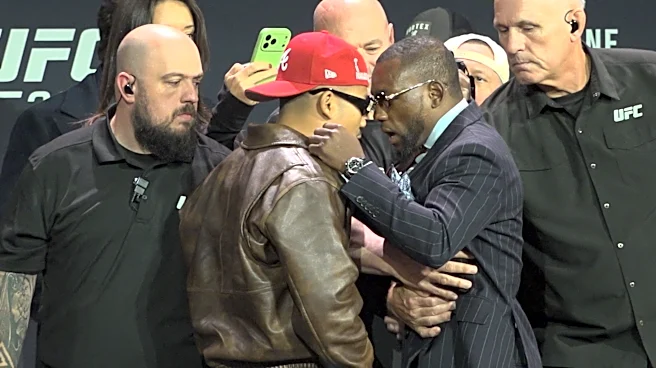
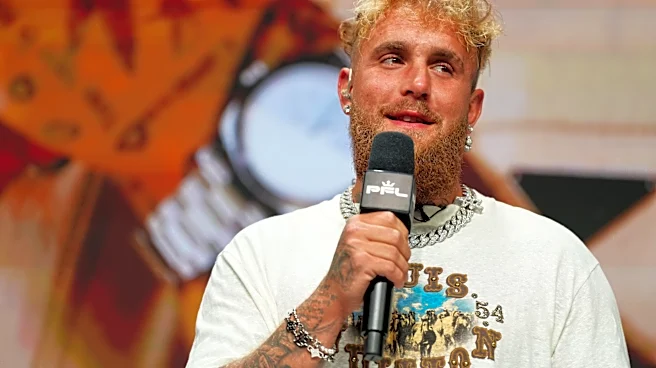
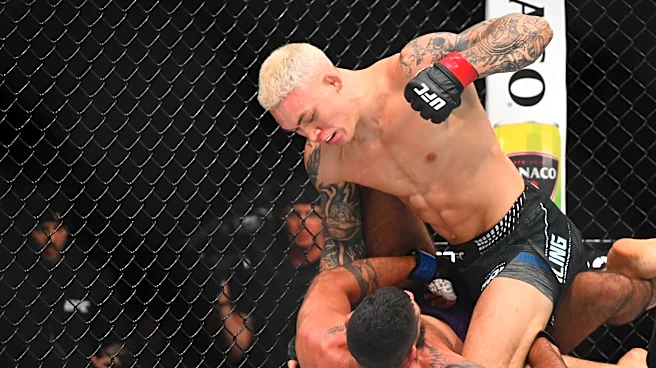
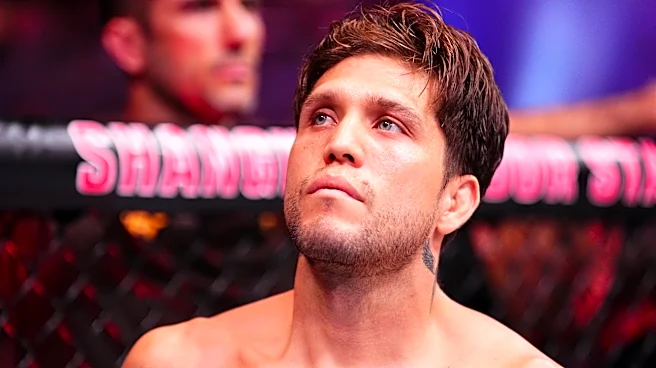
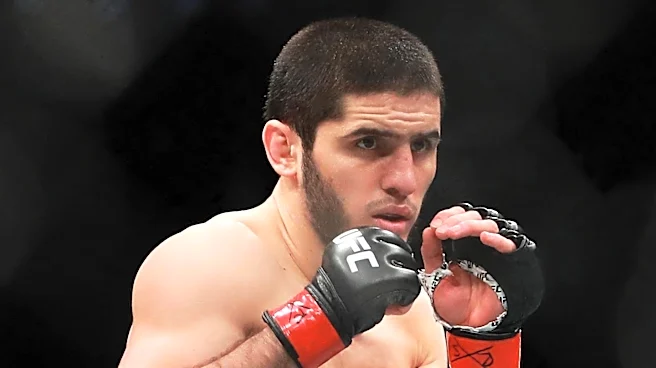
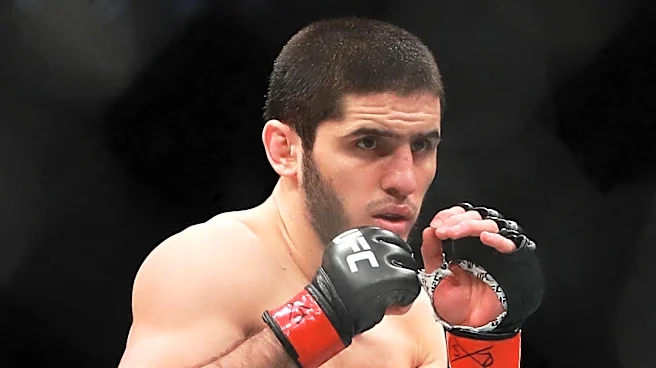
UFC Hall of Famer Michael Bisping has expressed disappointment regarding welterweight champion Islam Makhachev's decision to withdraw from a scheduled title defense against Carlos Prates at UFC 336. The fight was initially set for January 30 in Toronto.
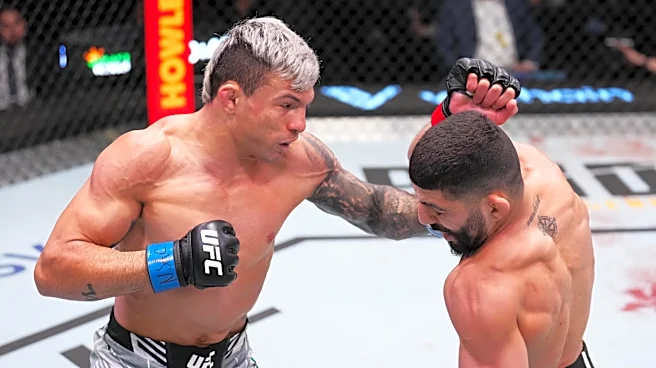
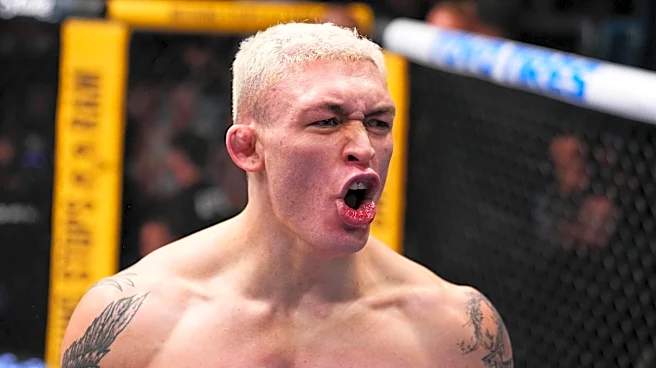
Makhachev, who holds a 29-1 record, had previously secured a unanimous decision victory over Ian Machado Garry in August. However, he stated he would not be ready to compete by early 2027, leading the UFC to arrange an interim title bout between Prates and Michael Morales instead. Bisping, while acknowledging Makhachev's status as the pound-for-pound number one fighter, believes that champions have a responsibility to face any challenger in their division. Fans have echoed Bisping's sentiment, with some suggesting Makhachev was avoiding Prates by claiming there was no clear number one contender. Makhachev publicly indicated he preferred Prates and Morales to fight first to determine the rightful challenger, a stance that has drawn criticism.
Why It's Important?
This situation highlights the ongoing debate within combat sports regarding a champion's obligations versus strategic career management. Bisping's critique, coming from a former champion, carries significant weight and reflects a traditional view that champions should defend their titles against top contenders without delay. Makhachev's decision, and the subsequent fan reaction, could influence how future title defenses are perceived and negotiated in the UFC. If champions are seen as selectively choosing opponents or delaying fights, it could impact the integrity of divisional rankings and fan engagement. The interim title fight between Prates and Morales now becomes crucial, as its outcome will directly force Makhachev's hand for his next defense, potentially setting a precedent for how the UFC handles champions who opt out of scheduled bouts. This also affects the career trajectories of Prates and Morales, who now have an unexpected opportunity for an interim belt.
What's Next?
The immediate next step is the interim title fight between Carlos Prates and Michael Morales at UFC 336. The winner of this bout will become the mandatory challenger for Islam Makhachev's welterweight title, effectively forcing Makhachev to face them later in 2027. This outcome will put pressure on Makhachev to either accept the fight or potentially face further criticism and calls for his title to be vacated. The UFC will likely monitor fan and media reactions closely following the interim title fight to gauge the appetite for a unification bout. Depending on the performance of Prates or Morales, the narrative around Makhachev's championship reign could shift, influencing future matchmaking decisions and potentially impacting his standing as the pound-for-pound best.
Beyond the Headlines
This incident touches upon the broader dynamics of power and responsibility within professional sports. While athletes are expected to perform at their peak, they also manage their careers, health, and financial interests. Makhachev's decision, whether strategic or due to genuine readiness concerns, opens a discussion about the balance between a champion's duty to the sport and their personal autonomy. The perception of 'ducking' opponents can significantly damage an athlete's legacy, even if they are highly skilled. This situation also underscores the UFC's role in managing its roster and maintaining competitive integrity, especially when a top-tier champion makes a controversial decision. The outcome of this scenario could influence future contractual negotiations and the expectations placed on champions regarding fight frequency and opponent selection.