






What's Happening?
National Geographic has published an article showcasing six lesser-known waterways in Italy, presenting them as alternatives to the country's highly popular and often crowded lakes like Como and Garda. The feature, produced by National Geographic Traveller
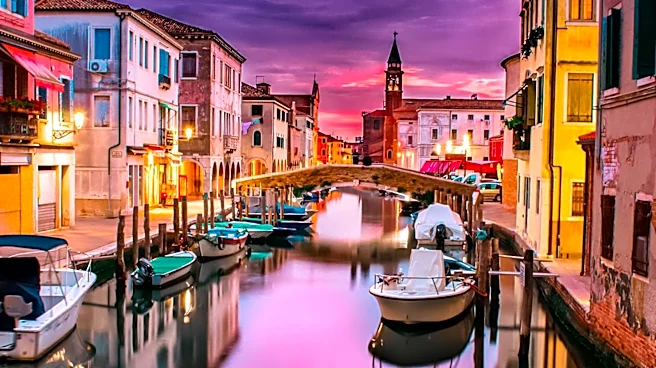
(UK), details various rivers, lagoons, and smaller lakes across different Italian regions, each offering unique experiences. For instance, the Mincio River in Lombardy is highlighted for its scenic 28-mile cycling path, while the Northern Lagoon in Veneto provides quiet canal journeys away from Venice's main tourist spots. The Lakes of Porcile in Lombardy are recommended for high-altitude hikes, and Torrente Fer in Aosta Valley is noted for adrenaline-fueled activities like wild swimming and canyoning. Lake Bolsena in Alto Lazio is presented as Europe's largest volcanic lake, ideal for undisturbed swims, and Lake Idro in Brescia and Trento offers tranquil beach days and water sports with motorboat speed restrictions. These locations aim to provide travelers with opportunities to cool off, engage with nature, and find peaceful moments away from the millions who visit Italy's more famous aquatic destinations.
Why It's Important?
This curated list from National Geographic is significant for the U.S. travel industry and American tourists, as it influences travel trends and destination choices. By spotlighting 'hidden' Italian waterways, the article encourages diversification of travel itineraries beyond conventional hotspots, potentially alleviating over-tourism in popular areas. For U.S. tour operators and travel agencies, this presents new opportunities to develop niche travel packages focusing on sustainable tourism and unique cultural experiences. American travelers, increasingly seeking authentic and less crowded destinations, may find these suggestions appealing, leading to a shift in demand. This could also impact local economies in these lesser-known Italian regions, bringing in tourist revenue that might otherwise be concentrated in established destinations. The emphasis on activities like cycling, hiking, and wild swimming aligns with a growing preference among U.S. travelers for active and experiential vacations, moving beyond passive sightseeing.
What's Next?
Following the publication of such an influential travel piece, it is likely that U.S. travel agencies and tour operators will begin to incorporate these newly highlighted Italian waterways into their offerings. We can anticipate an increase in inquiries from American tourists seeking to explore these 'hidden gems,' potentially leading to a rise in bookings for accommodations and activities in these regions. Local Italian tourism boards in Lombardy, Veneto, Aosta Valley, Alto Lazio, and Brescia/Trento may leverage this exposure to develop targeted marketing campaigns for the U.S. market. There could also be a push for improved infrastructure and services in these areas to accommodate a potential influx of international visitors, while still aiming to preserve their tranquil and authentic character. The success of these destinations in attracting U.S. tourists will likely be monitored by the broader travel industry to identify emerging trends in international travel preferences.
Beyond the Headlines
The article subtly addresses the broader issue of sustainable tourism and the impact of over-tourism on popular destinations. By encouraging travelers to explore alternative locations, National Geographic is contributing to a more equitable distribution of tourism's economic benefits and reducing the environmental and social strain on iconic sites. This shift reflects a growing consciousness among travelers and the industry towards responsible tourism practices. For U.S. travelers, choosing these hidden waterways offers a chance for more immersive cultural experiences, fostering a deeper connection with Italy beyond its well-trodden paths. It also highlights a changing perception of luxury travel, moving from exclusive, well-known resorts to unique, authentic, and often more adventurous experiences. This trend could lead to a re-evaluation of what constitutes a 'premier' travel destination, emphasizing authenticity and environmental stewardship over sheer popularity.