




What's Happening?
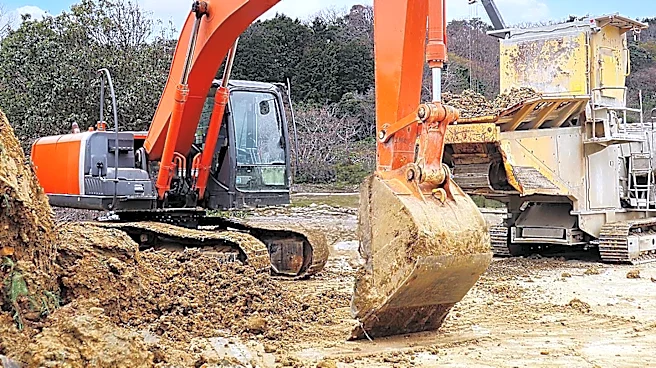
San Francisco-based Bedrock Robotics has begun deploying autonomous excavators on commercial earthwork projects in Texas and Nevada, operating without human operators in the cabs. These machines are currently engaged in major infrastructure projects,
including a water treatment facility in Nevada and a multimillion-cubic-yard earthwork project in Texas. The company states that these deployments follow a year of testing with human supervision and that productivity is nearing human levels. Bedrock's system, called the Bedrock Operator, is designed as a retrofit for existing heavy equipment, allowing for quick installation of sensors and computing packages. The technology aims to address the growing worker shortage in the construction industry and improve project efficiency by handling repetitive earthmoving tasks. While the current deployments use new excavators outfitted by Bedrock, the company plans for its system to be retrofitted onto contractors' existing equipment in the future.
Why It's Important?
The introduction of autonomous excavators marks a significant advancement in the construction industry, potentially transforming how large-scale projects are executed across the U.S. This technology directly addresses the critical shortage of skilled construction workers, with estimates indicating that a substantial portion of the workforce could retire soon. By automating repetitive tasks, Bedrock Robotics aims to free up experienced operators for more complex jobs or supervisory roles, thereby increasing overall project capacity and potentially reducing delays and cost overruns. The construction sector, which accounts for a disproportionate share of workplace deaths, could also see improved safety records as autonomous machines take over dangerous tasks. This development could lead to a more efficient, safer, and resilient construction industry, impacting the timely completion of vital infrastructure, housing, and commercial projects nationwide.
What's Next?
Bedrock Robotics plans to scale its excavator deployments and expand the types of tasks its autonomous system can perform. The company's long-term vision includes coordinating multiple autonomous machines, such as excavators, bulldozers, trucks, and graders, across a single job site to optimize project scheduling and execution. While Bedrock emphasizes that operators will not be replaced, but rather transition to supervisory roles or focus on specialized tasks, the widespread adoption of this technology will necessitate new training programs and job classifications within the construction sector. The industry will also closely monitor the safety and productivity claims of autonomous equipment as it integrates into more diverse and complex work environments. Regulatory bodies may also need to develop new guidelines and standards for autonomous heavy machinery to ensure safe operation alongside human workers and in public spaces.
Beyond the Headlines
The rise of autonomous heavy machinery, exemplified by Bedrock Robotics' excavators, raises profound questions about the future of work and the human-machine interface in traditionally labor-intensive industries. While the immediate benefit is addressing worker shortages and improving efficiency, the long-term implications include a potential shift in the skill sets required for construction jobs. The concept of operators becoming "foremen for machines" suggests a move towards oversight and management rather than direct physical labor, which could attract a new generation of tech-savvy workers to the industry. However, it also necessitates a societal discussion on how to manage the transition for existing workers whose roles may evolve. Furthermore, the ethical considerations of safety, particularly when autonomous machines operate in proximity to human workers and the public, will be paramount. The success of this technology will depend not only on its technical capabilities but also on its seamless integration into human workflows and its ability to build trust among workers and the public.