






What's Happening?
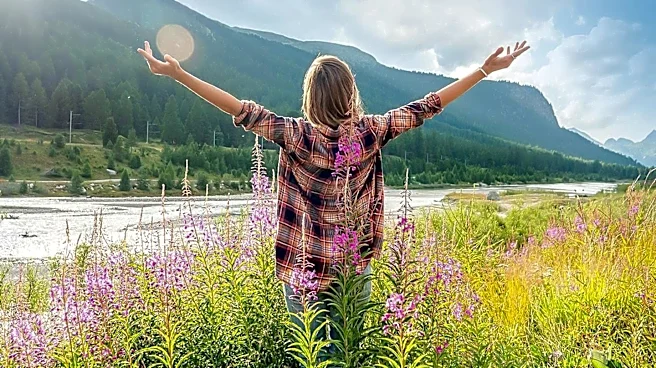
Ecotherapy is gaining recognition as a therapeutic method that leverages the healing capabilities of nature, mindfulness, and a renewed connection with the natural world. This approach incorporates practices designed to promote grounding, self-care, and nervous
system regulation through activities such as active listening, stillness, contemplation, and present-moment awareness. Proponents of ecotherapy suggest that it teaches individuals to align with nature's rhythms and cycles, fostering an acceptance of life's inherent chaos and discomfort. The core aim is to deepen an individual's connection to both themselves and the environment, thereby cultivating resilience, hope, and a sense of belonging. Furthermore, ecotherapy focuses on strengthening relationships with oneself, others, animals, and the broader natural world, while also guiding individuals to navigate change with greater acceptance and awareness. This therapeutic modality is presented as a 'homecoming,' not about fixing problems but about learning to listen, feel, reconnect, and grow through life's challenges by recognizing one's intrinsic connection to nature.
Why It's Important?
The growing emphasis on ecotherapy highlights a significant shift in mental health and wellness, recognizing the profound impact of environmental connection on human well-being. In a society increasingly disconnected from nature due to urbanization and digital lifestyles, ecotherapy offers a structured pathway to address stress, anxiety, and other mental health challenges. Its importance lies in providing an alternative or complementary treatment that moves beyond traditional clinical settings, offering a holistic approach that integrates physical, mental, and spiritual health. This can lead to reduced reliance on pharmaceutical interventions for some individuals and foster a greater sense of personal agency in managing one's mental state. For U.S. society, the broader adoption of ecotherapy could encourage greater environmental stewardship, as individuals who experience healing through nature may develop a stronger desire to protect it. This approach also underscores the potential for preventative mental health strategies, promoting overall wellness rather than solely treating illness.
What's Next?
As awareness of ecotherapy grows, the next steps will likely involve increased integration into mainstream therapeutic practices and broader public health initiatives. This could include more training programs for therapists to specialize in ecotherapy, the development of standardized protocols for nature-based interventions, and research to further validate its efficacy across diverse populations and conditions. We may see healthcare providers increasingly recommend outdoor activities or nature immersion as part of treatment plans, potentially leading to collaborations between mental health services and environmental organizations. Furthermore, there could be a push for urban planning that incorporates more green spaces designed for therapeutic use, making ecotherapy more accessible to city dwellers. Policy discussions might also emerge regarding the funding and insurance coverage for ecotherapy services, recognizing its potential to improve public health outcomes and reduce healthcare costs associated with mental illness.
Beyond the Headlines
Beyond its immediate therapeutic benefits, ecotherapy touches upon deeper ethical and cultural dimensions. It challenges the anthropocentric view that often separates humans from nature, instead promoting an understanding of humanity as an integral part of the ecosystem. This shift in perspective can foster a more profound sense of responsibility towards environmental conservation and sustainability. Culturally, it represents a return to ancient wisdom traditions that recognized the healing power of the earth, offering a counter-narrative to the hyper-individualized and technologically-driven modern lifestyle. Legally, the recognition of ecotherapy could lead to new considerations in land use and public access to natural spaces for health purposes. It also raises questions about the commodification of nature for therapeutic ends and the need to ensure equitable access to natural environments for all, regardless of socioeconomic status. Ultimately, ecotherapy could catalyze a long-term societal shift towards a more harmonious and sustainable relationship with the natural world.