




What's Happening?
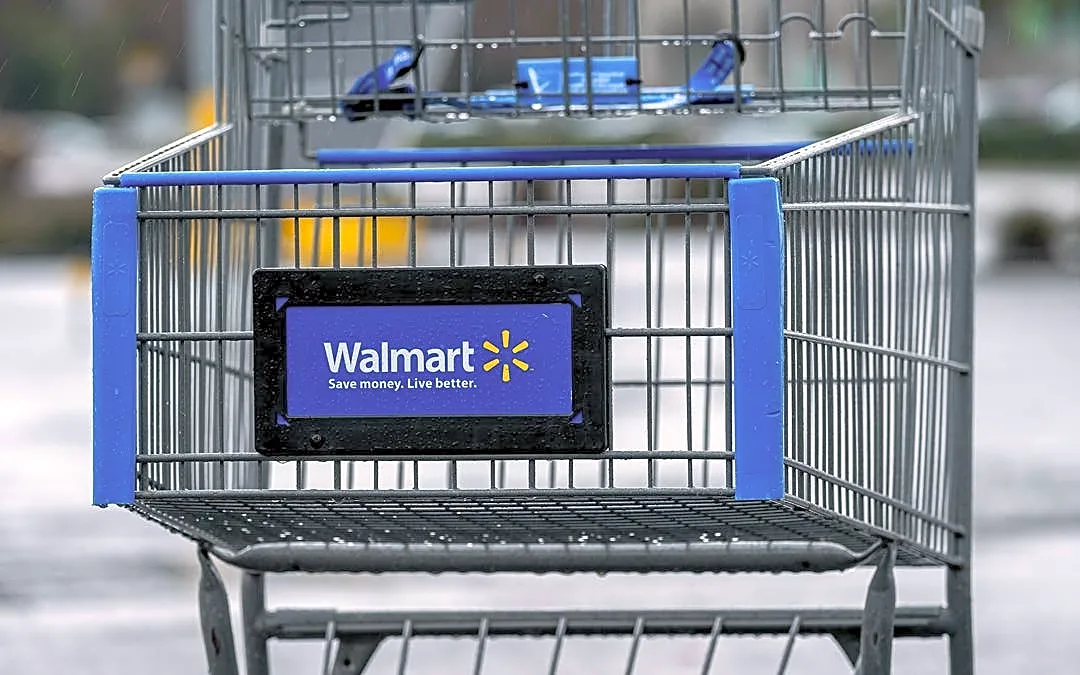
Walmart is expanding its grocery services, offering both pickup and delivery options with varying costs and benefits. Customers can order groceries through the Walmart app or walmart.com/grocery for free curbside pickup on orders of $35 or more. For orders below
this minimum, a pickup fee applies. Delivery services are priced between $7.95 and $9.95 per order, also with a $35 minimum. Walmart+ members receive free delivery on orders over $35. Additionally, an Express delivery option, promising delivery in approximately two hours, is available for $10 for Walmart+ members and $17.95 to $19.95 for non-members, with no minimum order requirement. The company states that prices for pickup and delivery items match in-store shelf prices, though prices can vary by store location. Walmart does not publish a traditional weekly grocery ad; instead, price reductions are communicated through 'Rollbacks' found in the app and on shelf tags. The availability of these services, including same-day slots, depends on the customer's ZIP code and the specific store.
Why It's Important?
This expansion of Walmart's grocery services is significant for U.S. consumers, particularly those seeking convenience and value in their grocery shopping. The tiered pricing structure and membership benefits for Walmart+ aim to attract and retain a broad customer base, from those who prefer cost-free pickup to those willing to pay for expedited delivery. The emphasis on 'Rollbacks' rather than weekly ads reflects a strategy to offer dynamic pricing and continuous deals, potentially influencing how competitors structure their promotions. For the retail industry, Walmart's approach highlights the ongoing shift towards e-commerce and integrated online-to-offline shopping experiences. The availability of SNAP EBT for eligible food items in online orders also broadens accessibility for a wider demographic, addressing food security concerns and increasing convenience for EBT users, though EBT cannot cover delivery fees or tips.
What's Next?
Walmart is expected to continue refining its grocery pickup and delivery infrastructure, potentially expanding to more locations and optimizing delivery routes for efficiency. The company will likely monitor customer adoption rates for its Walmart+ membership, as this program is central to its strategy for recurring revenue and customer loyalty in the grocery sector. Competitors in the grocery delivery space, such as Instacart, Amazon Fresh, and other supermarket chains, will likely respond by adjusting their own pricing, delivery speeds, and membership benefits to remain competitive. Furthermore, Walmart may explore additional technological integrations, such as drone delivery or enhanced in-home delivery options, to further differentiate its services. The company will also need to manage customer service for issues like missing or damaged items, ensuring a smooth experience to maintain customer satisfaction and trust.
Beyond the Headlines
The evolution of Walmart's grocery services reflects broader societal trends towards on-demand convenience and the increasing integration of technology into daily life. The shift from traditional weekly ads to dynamic 'Rollbacks' signifies a move towards more personalized and real-time promotional strategies, driven by data analytics. This could lead to a more fluid pricing environment across the retail sector. The growth of grocery delivery also has implications for urban planning and traffic, as more delivery vehicles operate on local roads. Environmentally, the increased reliance on delivery services raises questions about carbon footprints, potentially prompting companies to invest in electric vehicle fleets or more efficient delivery logistics. Moreover, the demand for personal shoppers and delivery drivers creates new job opportunities, albeit often in the gig economy, impacting labor markets and worker benefits.