





What's Happening?
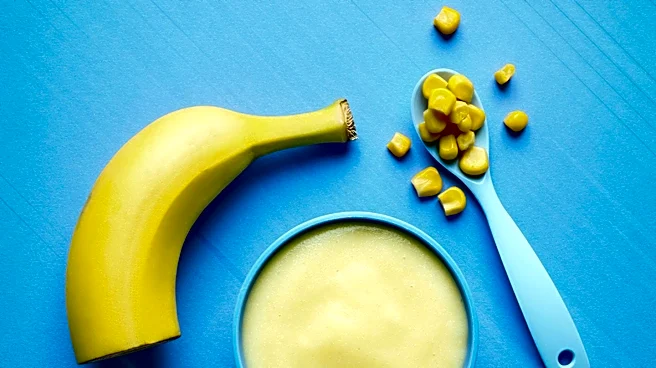
The BRAT diet, consisting of bananas, rice, applesauce, and toast, is no longer recommended for individuals experiencing diarrhea and nausea, as it lacks essential nutrients needed for recovery. While once a popular suggestion for upset stomachs, experts
now state that there is limited research to support its effectiveness. The American Academy of Pediatrics has ceased recommending the BRAT diet for children recovering from gastrointestinal illness due to its restrictive nature and deficiency in vital nutrients like protein, fiber, calcium, and vitamin B12. The foods in the BRAT diet do not provide the necessary components to repair gut cells or rebalance the gut microbiome.
Why It's Important?
This information is crucial for public health, as the BRAT diet has been a long-standing, widely accepted home remedy for gastrointestinal distress. Dispelling this myth helps ensure that individuals, especially children, receive adequate nutrition during recovery from illness. A diet lacking essential nutrients can prolong recovery, hinder the repair of the gut lining, and prevent the re-establishment of a healthy gut microbiome. This shift in medical advice emphasizes the importance of evidence-based practices in dietary recommendations and highlights the need for more comprehensive nutritional support even during periods of illness to promote faster and more complete healing.
What's Next?
Instead of strictly adhering to the BRAT diet, individuals experiencing stomach ailments are advised to consume a broader range of easily digestible, nutritious foods. Recommended alternatives include brothy soups, oatmeal, boiled potatoes, saltine crackers, and unsweetened dry cereals. As tolerance improves, more nutrient-dense options like scrambled eggs, cooked vegetables, and skinless chicken should be gradually reintroduced. It is also critical to focus on rehydration with water, uncaffeinated tea, electrolyte beverages, and broth, while avoiding acidic foods, alcohol, caffeine, dairy, sugar, fried, or spicy foods. Consulting a medical professional for persistent symptoms remains paramount.
Beyond the Headlines
The re-evaluation of the BRAT diet reflects a broader evolution in nutritional science, moving towards a more nuanced understanding of the body's needs during illness. It underscores the importance of a balanced microbiome and cellular repair, even when the digestive system is compromised. This change also highlights the potential for outdated medical advice to persist in public consciousness, emphasizing the need for continuous education and communication from health authorities. Furthermore, it encourages a more proactive approach to recovery, where nutrition is seen as a therapeutic tool rather than just a means to avoid discomfort, promoting faster return to health and preventing potential long-term nutritional deficiencies.