





What's Happening?
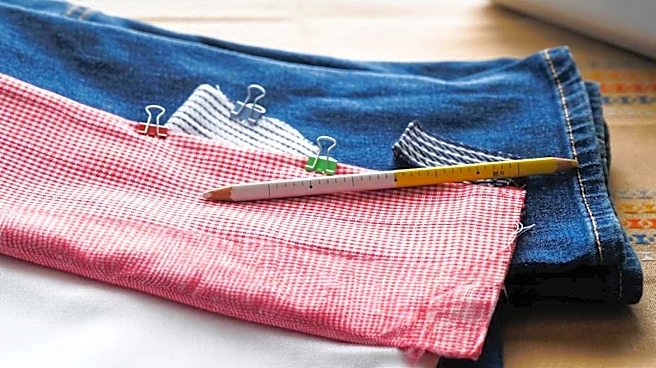
Pound A Metre's 'Sewciety Fabric Blog' has published an article detailing 20 easy projects for utilizing fabric scraps. The guide categorizes projects by scrap size, from small strips to larger offcuts and tiny bits, making it easier for crafters to match
their available materials to suitable projects. Examples include scrunchies, key fobs, coasters, lavender bags, pincushions, and patchwork items like cushion fronts and baby quilts. The blog emphasizes that quilting-weight cotton is the easiest fabric to reuse due to its workability. It also provides tips on organizing scraps by size and offers suggestions for using even the smallest pieces as stuffing for items like draught excluders or pet beds. The article also touches on the profitability of selling scrap projects at craft fairs.
Why It's Important?
This initiative is significant for promoting sustainability and resourcefulness within the crafting community and beyond. By providing practical ways to repurpose fabric scraps, the blog helps reduce textile waste, aligning with broader environmental conservation efforts. For individuals, it offers creative outlets and cost-effective ways to make useful or decorative items, fostering a sense of accomplishment and potentially developing new skills. Economically, the suggestion that scrap projects can be profitable at craft fairs highlights an opportunity for small-scale entrepreneurship and supplementary income. This approach encourages a circular economy mindset, where materials are reused and given new life, rather than being discarded, impacting consumer habits and manufacturing waste reduction.
What's Next?
The continued promotion of such guides and workshops could lead to increased participation in DIY crafting and upcycling activities. Fabric suppliers and craft stores might see a rise in demand for complementary materials like wadding, elastic, and hardware, as more individuals engage in these projects. Educational institutions or community centers could adopt similar programs to teach sustainable crafting techniques. Furthermore, the emphasis on selling scrap projects could encourage the growth of local craft markets and online platforms for handmade goods, providing economic opportunities for artisans. The long-term impact could be a cultural shift towards greater appreciation for handmade items and a more conscious approach to textile consumption and waste.
Beyond the Headlines
Beyond the immediate utility of crafting projects, this guide taps into a growing desire for mindful consumption and creative expression. In a world often dominated by mass-produced goods, the act of creating something by hand from repurposed materials offers a unique sense of value and personal connection. This movement can also foster community, as crafters often share ideas and techniques. Ethically, it challenges the 'throwaway' culture by demonstrating the potential for waste materials, encouraging a more sustainable lifestyle. The guide's focus on profitability also subtly promotes the idea that sustainable practices can be economically viable, potentially inspiring more individuals to turn their eco-conscious hobbies into small businesses, contributing to a more resilient and localized economy.