





What's Happening?
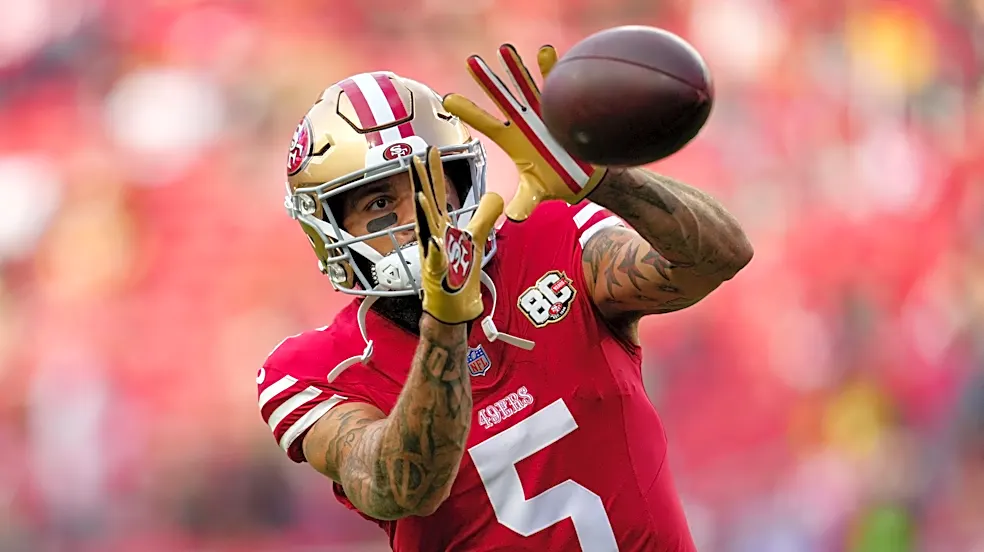
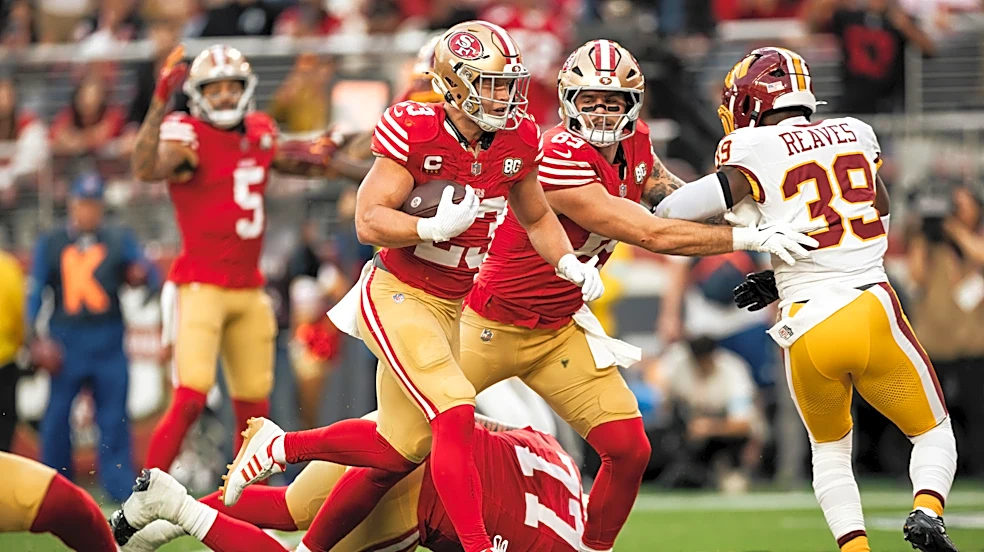
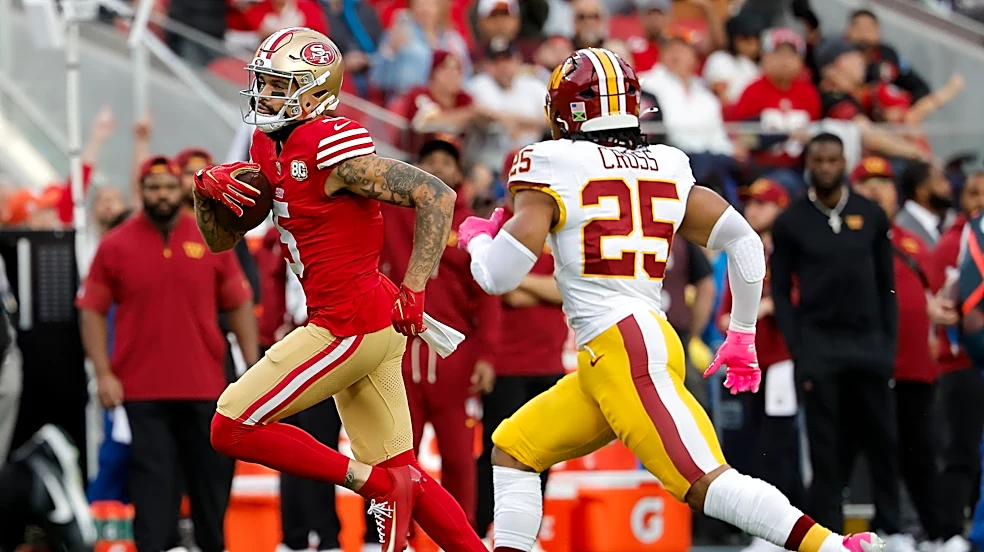
Terrell Owens, a former wide receiver for the San Francisco 49ers, has publicly expressed his unimpressed view of current 49ers wide receiver Mike Evans. During an episode of his 'Get TO The Point Podcast,' Owens stated that Evans' route running and speed
are 'really average.' He commented that he believes he could perform similarly, despite being 52 years old and having last played in the NFL in 2010. Owens observed Evans' plays, noting that Evans 'just knows how to run routes, knows where to go, and then the quarterback can save you,' suggesting that Evans was 'catching some really average plays.' This critique comes despite Evans' current season statistics of 27 receptions, 420 receiving yards, and three receiving touchdowns. Evans also holds an NFL record for starting his career with 11 consecutive 1,000-yard receiving seasons, a feat not achieved by Jerry Rice.
Why It's Important?
This commentary from Terrell Owens is significant within the sports community, particularly for NFL fans and analysts. Owens is a Hall of Fame receiver, and his opinions carry weight, potentially influencing public perception of Mike Evans, who is also a highly accomplished player. The critique highlights a generational difference in how receivers' skills are evaluated, with Owens emphasizing physical attributes like blazing speed and exceptional route running, while Evans' success is attributed to consistency and understanding of the game. This discussion could spark debates among fans and media about what truly defines a 'great' receiver in the modern NFL. For the 49ers, such public comments from a former legend could create an interesting dynamic, though it's unlikely to directly impact Evans' on-field performance or team strategy.
What's Next?
The comments made by Terrell Owens are likely to generate further discussion and reactions within sports media and among NFL fans. Mike Evans or members of the 49ers organization may choose to respond to Owens' remarks, or they might opt to ignore them. The ongoing performance of Mike Evans throughout the current NFL season will be scrutinized, with some observers potentially re-evaluating his play through the lens of Owens' critique. This situation could also lead to more former players offering their assessments of current athletes, contributing to broader conversations about player comparisons across different eras of the sport. The podcast episode featuring Owens' comments will likely gain increased attention as a result of this controversy.
Beyond the Headlines
Beyond the immediate sports headlines, this incident touches upon the broader theme of how past legends perceive and critique current athletes. It raises questions about the evolution of sports and whether the standards of greatness change over time. Owens' comments, while critical, also implicitly acknowledge Evans' consistent production, even if he attributes it to different factors than raw athleticism. This dynamic can create a sense of nostalgia for older playing styles while also highlighting the adaptability and strategic intelligence required in contemporary sports. It also underscores the power of media platforms, such as podcasts, for former athletes to maintain relevance and influence public discourse on their respective sports.