




What's Happening?
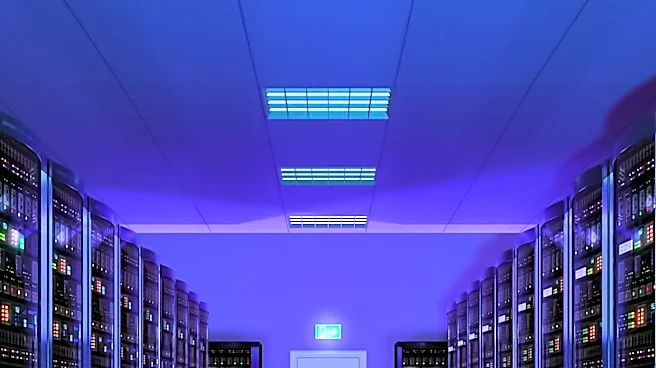
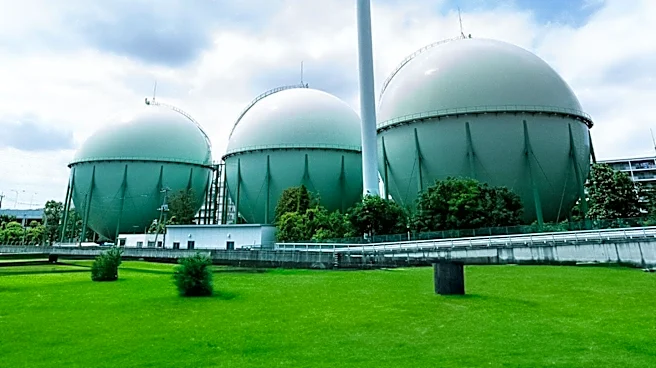
Energy Transfer, a pipeline giant, has signed a 20-year agreement with Entergy to supply at least 250,000 MMBtu/d of natural gas, commencing in December 2028. This deal is primarily aimed at supporting the increasing power demands of AI data centers,
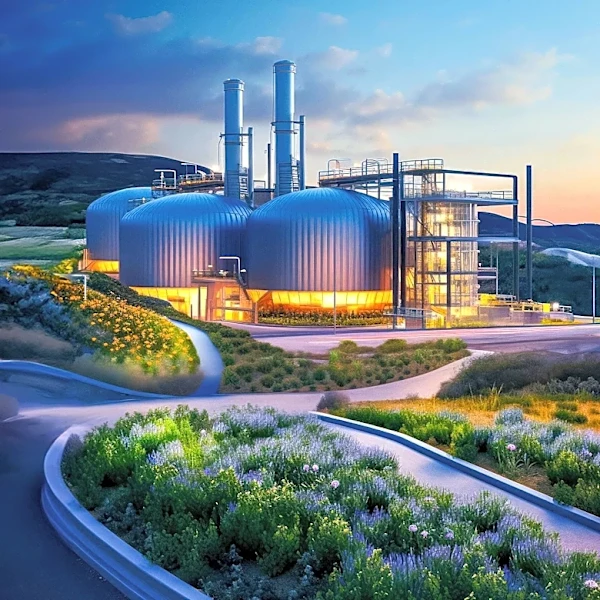
including those being constructed by Meta Platforms in Louisiana. The country's electric grid is currently struggling to meet the rapid load requirements of these data centers, making natural gas a crucial solution for on-site power generation through gas turbines and fuel cells. Energy Transfer's extensive infrastructure, comprising nearly 107,000 miles of pipelines, positions it as a key supplier for this growing demand. The company is also engaged in discussions with other power plants and data centers for additional gas volumes and is undertaking significant pipeline construction projects, such as the $2.7 billion Hugh Brinson and up to $5.6 billion Desert Southwest pipelines, to further support demand growth in Texas and Arizona.
Why It's Important?
This long-term agreement highlights the critical role natural gas is playing in the expansion of AI data centers across the U.S., particularly in states like Louisiana. The inability of the existing electric grid to rapidly scale up to meet the immense power needs of these facilities is driving a significant shift towards on-site natural gas power solutions. For Energy Transfer, this deal, along with others with major cloud providers like Oracle and Nexus, solidifies its position as a leading energy supplier in the burgeoning AI sector. This trend indicates a substantial investment in natural gas infrastructure, which will have long-term implications for the energy sector, potentially increasing demand for natural gas and influencing energy policy. The reliance on natural gas for data centers also underscores the challenges and opportunities in balancing energy demands with environmental considerations, as the industry seeks both reliable and efficient power sources.
What's Next?
Energy Transfer anticipates continued growth in demand for natural gas from data centers and power plants, leading to further investments in its pipeline network and infrastructure. The company expects to grow its adjusted earnings before interest, taxes, depreciation, and amortization (EBITDA) by at least 17.5% this year, with projects scheduled for commercial service through early 2030. While permitting issues, such as a recent six-month delay for an Oracle-linked gas pipeline project, may cause some setbacks, the overall trend points towards a sustained build-out of natural gas-fueled power solutions for AI infrastructure. This ongoing development will likely involve continued negotiations and agreements between energy providers and tech companies, shaping the future energy landscape for data-intensive industries. Stakeholders will be closely watching how these projects navigate regulatory hurdles and local opposition while striving to meet the escalating energy demands of the AI boom.
Beyond the Headlines
The increasing reliance on natural gas for AI data centers raises broader questions about energy sustainability and the transition to renewable energy sources. While natural gas offers a more immediate and scalable solution compared to the current grid's limitations, it is still a fossil fuel, contributing to carbon emissions. This trend could lead to a prolonged dependence on natural gas, potentially slowing the adoption of fully renewable energy solutions for large-scale computing operations. Furthermore, the concentration of these data centers and their associated energy infrastructure in specific regions, like Louisiana, could have significant local environmental and economic impacts, including land use changes and potential air quality concerns. The ethical implications of powering advanced AI technologies with fossil fuels, even as the world grapples with climate change, will likely become a more prominent discussion point, influencing corporate responsibility and public policy debates.