


What's Happening?
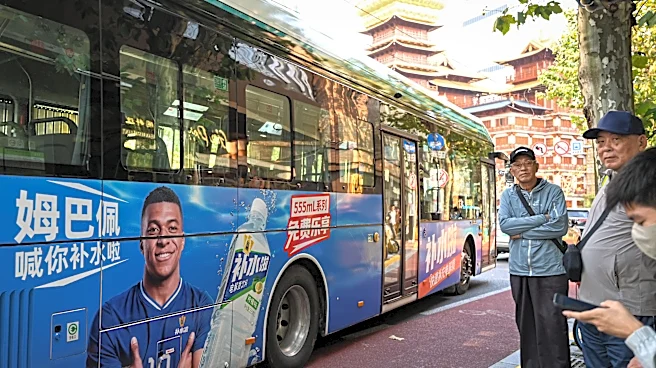
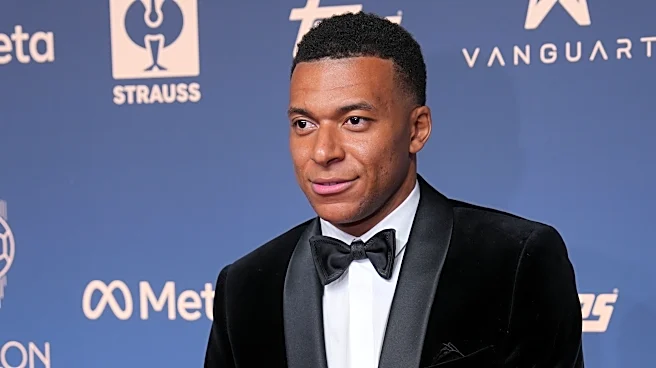
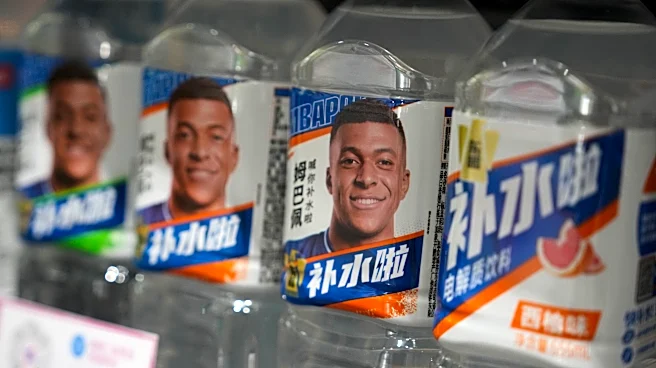
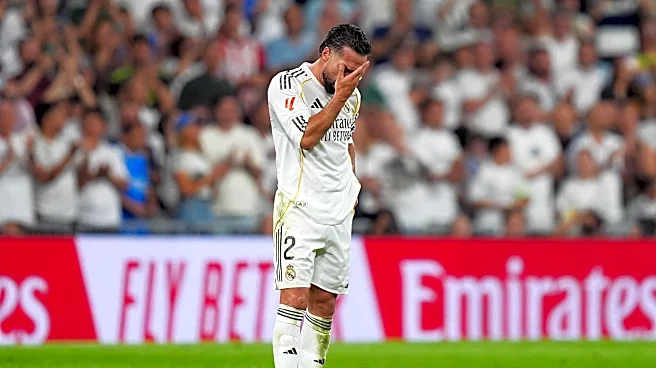
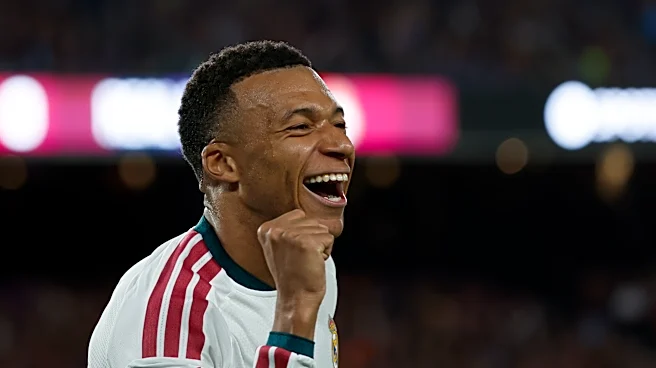
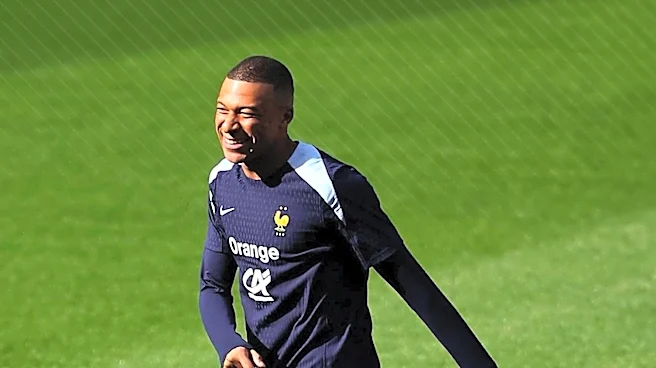
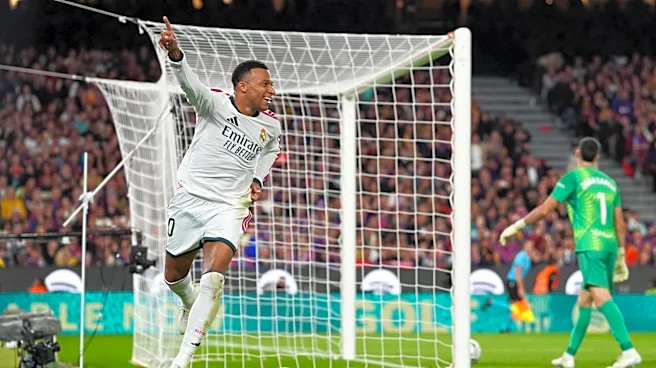
French soccer star Kylian Mbappé has faced significant backlash in China after a comment he made on a French online talk show was widely perceived as referring to Mao Zedong as 'a Chinese dictator.' Following the remark, three of Mbappé's Chinese sponsors—Dongpeng
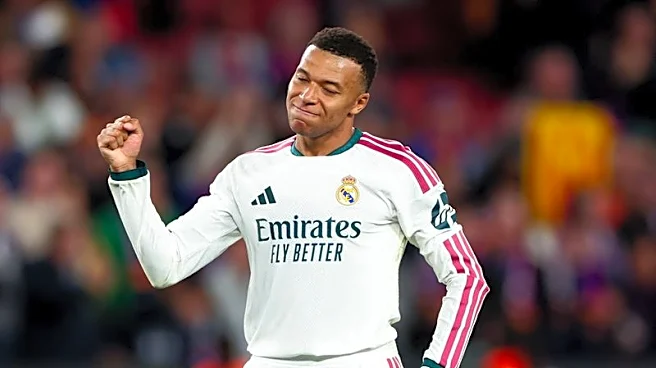
(a beverage maker), Mengniu (a dairy giant), and Milkground (a cheese maker)—cut ties with him. Additionally, China Media Group, the state broadcaster, announced it would suspend broadcasts of LaLiga, Spain's top soccer league, and other games involving Mbappé. Both Mbappé and his club, Real Madrid, have since issued apologies, with Mbappé stating his comment was 'ill-judged' and expressing deep respect for the Chinese people and their history. LaLiga president Javier Tebas also met with the Chinese ambassador to Spain to address the situation.
Why It's Important?
This incident underscores the significant risks global celebrities and brands face when navigating the complex political and cultural sensitivities of the Chinese market. For U.S. companies and public figures, it serves as a stark reminder that seemingly innocuous comments or actions can lead to severe economic and reputational consequences in China. The swift and decisive response from Chinese sponsors and state media demonstrates the power of Chinese nationalism and the government's intolerance for perceived disrespect towards its historical figures or political system. This situation can influence how U.S. entities approach their engagement with China, potentially leading to increased self-censorship or more cautious public statements to avoid similar backlashes. The financial impact on Mbappé and the suspension of LaLiga broadcasts highlight the substantial economic leverage China holds in the global entertainment and sports industries, affecting revenue streams and market access for international organizations.
What's Next?
Mbappé and Real Madrid will likely continue efforts to mend their relationship with Chinese fans and authorities, though the long-term impact on his personal brand and the club's presence in China remains uncertain. LaLiga will need to navigate the suspension of its broadcasts, potentially seeking further dialogue with China Media Group to restore access to its significant Chinese viewership. Other global celebrities and brands will likely review their public relations strategies and social media policies to prevent similar incidents. This event may lead to a heightened awareness among international entities about the need for cultural sensitivity training and robust risk assessment when operating in or engaging with the Chinese market. The incident could also prompt more cautious statements from U.S. sports leagues and entertainment companies regarding geopolitical issues to protect their commercial interests in China.
Beyond the Headlines
The backlash against Mbappé is part of a broader pattern where Chinese patriotism and state-controlled media exert considerable influence over global cultural and commercial exchanges. This incident highlights the tension between freedom of expression, often valued in Western societies, and the strict political narratives enforced by the Chinese government. It reveals how historical figures like Mao Zedong remain highly sensitive symbols, and any perceived slight can trigger a strong nationalistic response. The economic consequences serve as a powerful deterrent, effectively compelling global actors to align with Chinese political sensitivities to maintain market access. This dynamic contributes to a growing 'cancel culture' originating from China, where foreign entities are pressured to conform to its ideological standards. The incident also raises ethical questions for U.S. companies and individuals about balancing commercial interests with principles of free speech and human rights when engaging with authoritarian regimes.