
What's Happening?
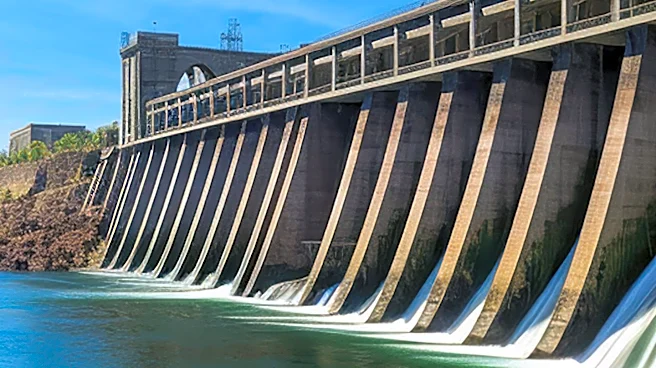
Xcel Energy has restarted significant rehabilitation work on the century-old Cedar Falls hydropower project in Wisconsin. Construction activity, which had been intermittent since 2022 due to permitting
delays, is now progressing with multiple crews on-site. The project involves a long-term investment to enhance and preserve the Cedar Falls dam near Menomonie. Much of the work completed so far has occurred inside the dam, out of public view, including the installation of a substantial portion of the permanent rock anchor system to improve the dam's structure. Thousands of cubic yards of concrete have also been placed, with some underwater placements requiring dive crews. Xcel Energy, a major electricity and natural gas provider, serves 3.4 million electricity and 1.9 million natural gas customers across eight Western and Midwestern states, including Wisconsin. The company utilizes a diverse energy portfolio comprising wind, nuclear, hydroelectric, biomass, solar, coal, and natural gas.
Why It's Important?
The resumption of rehabilitation work on the Cedar Falls hydropower project is important for several reasons. Firstly, it underscores Xcel Energy's commitment to maintaining and upgrading existing infrastructure, which is crucial for ensuring reliable energy supply. Hydropower, as a renewable energy source, contributes to a diversified energy portfolio and helps reduce reliance on fossil fuels. The project's focus on enhancing the dam's structure will improve its resilience and longevity, securing a stable source of clean energy for the region. Furthermore, this investment aligns with the broader national goal of transitioning to cleaner energy sources and meeting clean energy targets. For customers in Wisconsin and the Upper Peninsula, this project signifies continued access to sustainable and reliable electricity. The challenges faced with permitting delays highlight the complexities involved in large-scale infrastructure projects, even for established energy providers like Xcel Energy, and the importance of overcoming such hurdles to advance energy security and sustainability.
What's Next?
As construction continues on the Cedar Falls hydropower project, Xcel Energy is emphasizing public safety, with portions of the project area remaining off-limits during the ongoing work. The company will continue to manage the complexities of the project, including coordinating multiple crews and addressing any unforeseen challenges that may arise in the energy industry. The successful completion of this rehabilitation will bring the century-old asset back into full focus, contributing to Xcel Energy's goal of providing more reliable, resilient, and sustainable energy. The project's progress will likely be monitored by industry experts and local communities, as it serves as an example of how established energy companies are investing in and modernizing their infrastructure to meet future energy demands and environmental objectives. Xcel Energy's ongoing efforts in such projects will be key to shaping future nuclear and renewable energy initiatives in the U.S.
Beyond the Headlines
The rehabilitation of the Cedar Falls hydropower project extends beyond immediate energy supply, touching upon broader themes of infrastructure resilience, environmental stewardship, and the evolution of the U.S. energy landscape. Investing in existing hydroelectric facilities like Cedar Falls not only preserves historical energy assets but also leverages their inherent renewable capabilities, contributing to a more sustainable energy future without the need for entirely new land development. The project's journey, marked by permitting delays, highlights the intricate regulatory and environmental considerations that often accompany large infrastructure endeavors, underscoring the need for robust planning and stakeholder engagement. This effort by Xcel Energy reflects a strategic balance between maintaining traditional energy sources and advancing clean energy goals, showcasing how established utilities are adapting to meet both current energy demands and long-term climate objectives. It also demonstrates the continuous effort required to ensure the safety and operational integrity of critical energy infrastructure.