

What's Happening?
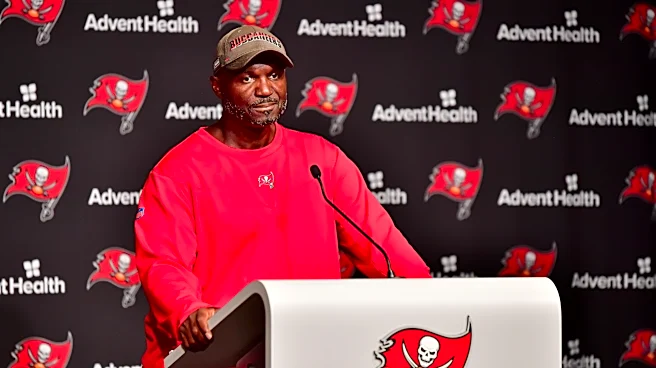
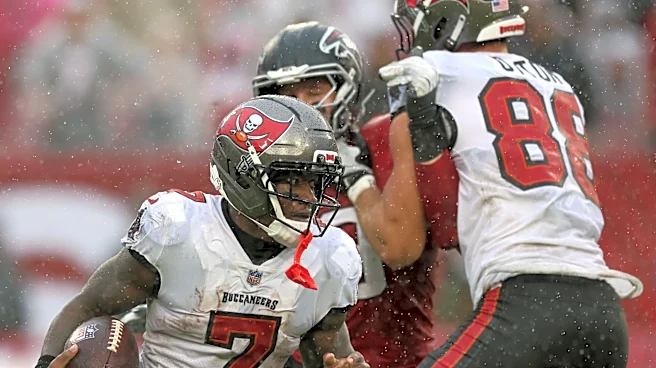
Tampa Bay Buccaneers Head Coach Todd Bowles is facing criticism for his unwavering loyalty to Offensive Coordinator Zac Robinson, despite the team's significant offensive struggles. The Buccaneers' passing game ranks last in the NFL, and quarterback Baker
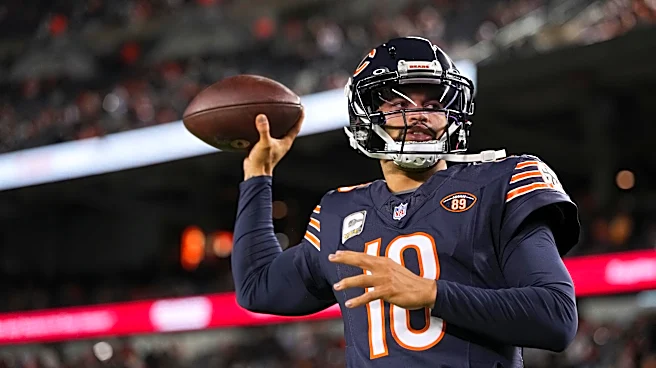
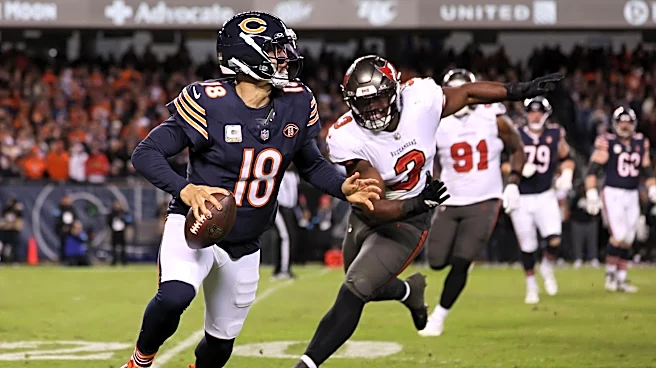
Mayfield is reportedly playing his worst football since joining the team. This offensive dysfunction is occurring even as the defense performs at a championship level, ranking among the top five in yards allowed and first in rushing defense, complemented by the league's best rushing offense. Following a recent loss to the Chicago Bears, where the offense underperformed despite a strong defensive effort, Bowles was directly asked if he would consider changing the offensive play-caller. His response was a definitive 'No,' without further explanation. Critics argue that Robinson's scheme is predictable and lacks explosiveness, holding the team back from its full potential.
Why It's Important?
The loyalty of Head Coach Todd Bowles to Offensive Coordinator Zac Robinson, despite the team's offensive woes, is a critical issue that could have significant repercussions for the Tampa Bay Buccaneers. In professional sports, a dysfunctional offense can undermine even a strong defense and special teams, preventing a team from reaching its full potential. The current situation, where the passing game is struggling while other units excel, creates an imbalance that could jeopardize the team's playoff chances in a competitive division. If the offensive struggles persist, it could lead to increased pressure on Bowles, potentially impacting his job security. The reluctance to make a change, even a partial one like switching play-callers, suggests a deep-seated belief in the current coaching staff, but it also risks alienating fans and players who may be frustrated by the lack of offensive production. This dynamic highlights the delicate balance between loyalty and accountability in high-stakes coaching roles.
What's Next?
The immediate future for the Tampa Bay Buccaneers will likely see continued scrutiny of their offensive performance under Zac Robinson. With Todd Bowles publicly stating his commitment to Robinson, any improvements or continued struggles will be directly attributed to this decision. If the offense fails to improve, pressure on Bowles to make a change will intensify, potentially leading to calls for his own job. Conversely, if the offense somehow finds its rhythm and starts performing effectively, Bowles' loyalty will be vindicated. The team's upcoming games will be crucial in determining the trajectory of this situation, as their record will directly reflect the effectiveness of the current coaching staff. The organization will be closely monitoring the team's ability to contend for a playoff spot, especially in a division where every game counts.
Beyond the Headlines
The situation with Todd Bowles and Zac Robinson delves into the complex psychology of leadership and loyalty within professional sports. While loyalty can foster stability and trust, an unwavering commitment in the face of clear underperformance can be perceived as stubbornness or a lack of accountability. This dynamic can have broader implications for team morale and player confidence, as players may question the decision-making process if they feel the team's potential is being hampered by coaching choices. Ethically, a coach's primary responsibility is to the team's success, which sometimes necessitates difficult personnel decisions. The long-term impact of such loyalty, whether it leads to eventual success or continued struggles, will serve as a case study in sports management, illustrating the fine line between steadfast support and necessary change in a results-driven industry.