





What's Happening?
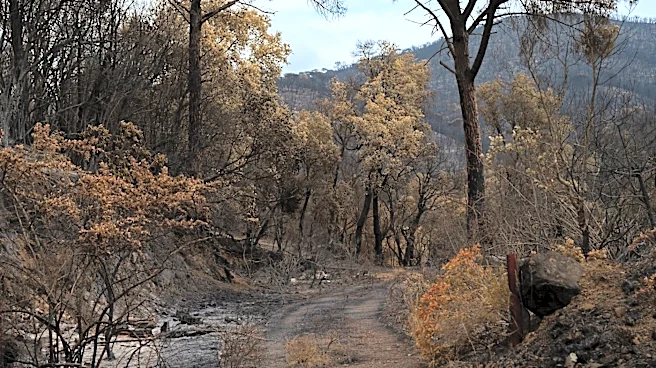
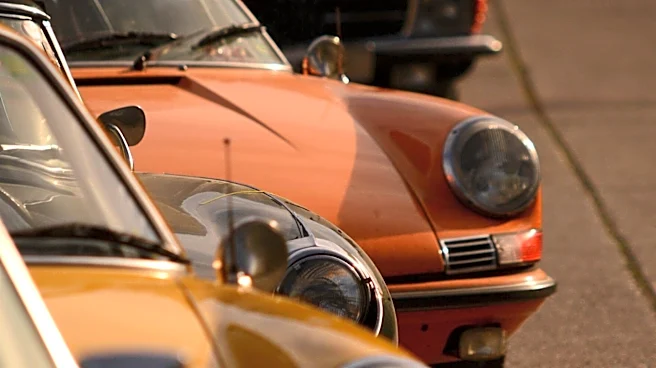
The Gempen Memorial, a classic car event scheduled for September 12, 2026, in the Dornach region of Basel-Landschaft, Switzerland, has been canceled. The organizing committee made the decision on August 19, citing extreme fire danger. The entire event area
in Gempen and Dornach is currently at fire danger level 5, which includes an absolute ban on open fires. Concerns were particularly high for the area around the Gempen school building, which serves as the festival grounds and parking lot, as a carelessly discarded cigarette could quickly ignite a wildfire. The committee acknowledged that while weather forecasts might suggest rain in the coming week, they had reached a "point of no return" where canceling later would entail significantly greater effort and cost. Organizers are now seeking support from sponsors and participants, hoping that entry fees can be retained for the next edition, planned for 2027.
Why It's Important?
While this event is located in Switzerland, its cancellation due to fire danger has implications for the U.S. classic car community and event organizers. The increasing frequency and intensity of wildfires, often linked to climate change, pose a growing threat to outdoor events globally, including those in the U.S. This incident serves as a cautionary tale for American event planners, highlighting the need for proactive risk assessment and contingency planning in the face of environmental hazards. For U.S. classic car enthusiasts who travel internationally for such events, this cancellation underscores the importance of flexible travel arrangements and awareness of local environmental conditions. Furthermore, the financial model of relying on retained entry fees for future events could become a more common practice, influencing how U.S. event organizers manage cancellations and maintain participant loyalty in an era of unpredictable environmental challenges.
What's Next?
The organizers of the Gempen Memorial will now focus on securing financial support from sponsors and participants to ensure the viability of the 2027 event. They will likely communicate extensively with registered participants regarding the option to roll over their entry fees. For future events, the committee may implement more stringent environmental monitoring protocols and develop clearer guidelines for cancellation triggers based on fire danger levels. This incident could also prompt other classic car event organizers, both in Europe and the U.S., to review their own risk management strategies, particularly concerning weather-related hazards. There might be a push for greater collaboration with local authorities and emergency services to establish robust safety plans. The long-term success of such volunteer-driven events will increasingly depend on their ability to adapt to changing environmental conditions and secure community and financial backing despite unforeseen disruptions.
Beyond the Headlines
The cancellation of the Gempen Memorial due to fire danger reflects a broader societal challenge: the impact of climate change on everyday life and cultural events. This incident is not merely about a car show; it symbolizes how environmental shifts are forcing communities to re-evaluate traditions and adapt to new realities. The concept of a "point of no return" in event planning, driven by environmental factors, highlights the increasing complexity of decision-making in an unpredictable world. It also brings to light the vulnerability of volunteer-based organizations, which often lack the financial buffers of larger entities to absorb such losses. This situation encourages a deeper conversation about collective responsibility towards environmental stewardship and the need for sustainable practices, even in leisure activities. The hope for retained entry fees also points to the strong community spirit and dedication within the classic car world, demonstrating resilience in the face of adversity.