



What's Happening?
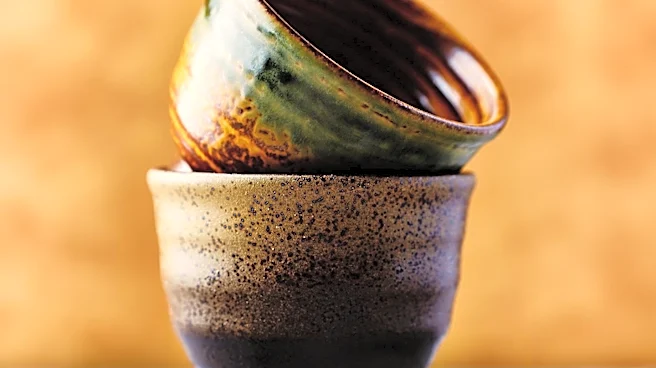
Wabi-sabi, a Japanese philosophy centered on finding beauty in imperfection, is influencing various design and art forms. This aesthetic is characterized by a rustic, understated elegance that values the simplicity and natural flaws of everyday objects
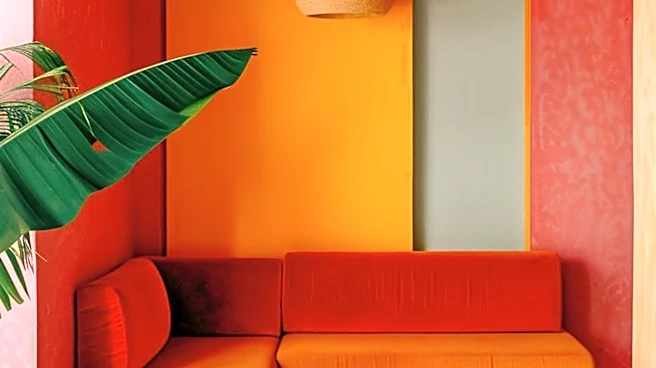
and environments. Examples of its application include solid wood inline sofas with vintage old elm log designs, boutique hotel concepts blending tropical and African influences, and white textured scalloped wall mirrors. The style is also recognized in wallcoverings, with one design inspired by wabi-sabi and kintsugi, celebrating imperfection with fiber paste and metallic linework. Furthermore, art workshops in Nashville are offering opportunities to explore wabi-sabi textured art, indicating a growing interest in this philosophy within the creative community.
Why It's Important?
The growing adoption of wabi-sabi in design and art signifies a shift towards valuing authenticity and naturalness over pristine perfection. This philosophy can influence consumer preferences, encouraging a market for products that embrace unique textures, organic forms, and the inherent beauty of aging materials. For industries like furniture, interior design, and art, this trend opens avenues for innovation in material use and aesthetic presentation, moving away from mass-produced uniformity. It also promotes sustainability by appreciating the longevity and natural wear of items, potentially reducing the demand for constant replacement. Culturally, it introduces a contemplative approach to aesthetics, encouraging individuals to find beauty in the transient and incomplete aspects of life, which can have broader societal implications for mindfulness and appreciation of the natural world.
What's Next?
The continued integration of wabi-sabi principles is likely to expand into more mainstream product design and architectural practices. We can anticipate an increase in furniture and home decor lines that feature raw, untreated materials, asymmetrical forms, and visible signs of craftsmanship. The hospitality sector may further embrace wabi-sabi in hotel and resort designs, creating serene and authentic guest experiences. Educational institutions and art communities might offer more workshops and courses focused on this aesthetic, fostering a new generation of designers and artists who prioritize natural beauty and imperfection. Additionally, as awareness grows, consumers may actively seek out products and experiences that embody the wabi-sabi philosophy, driving further market demand and innovation in this area.
Beyond the Headlines
Beyond its aesthetic appeal, wabi-sabi offers a profound philosophical counterpoint to the prevailing culture of consumerism and the pursuit of unattainable perfection. By embracing imperfection and transience, it encourages a more mindful and appreciative relationship with objects and the environment. This philosophy can foster a deeper sense of contentment and reduce the psychological pressure associated with maintaining flawless appearances. Ethically, it promotes sustainable practices by valuing the natural life cycle of materials and discouraging disposability. Culturally, it represents a bridge between Eastern philosophical traditions and Western design sensibilities, enriching the global dialogue on aesthetics and well-being. The long-term impact could be a more resilient and appreciative society that finds beauty and meaning in the authentic, imperfect flow of existence.