





What's Happening?
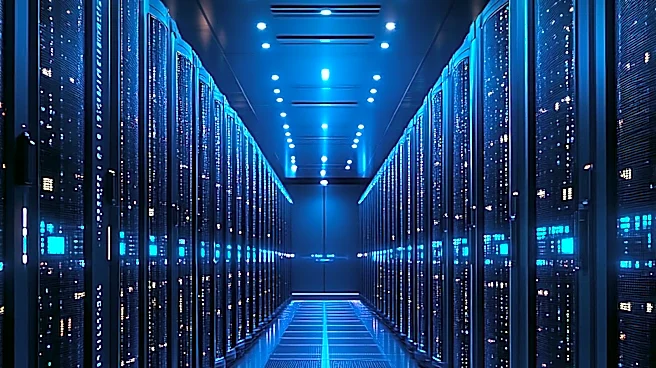
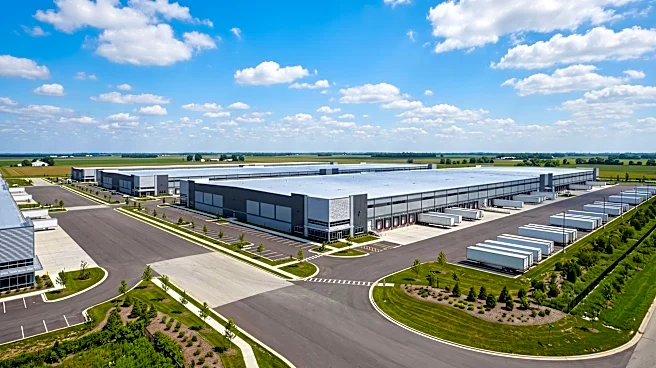
ComEd, an Illinois utility company, is projected to incur $3.1 billion in costs to connect 30 data centers to its grid, with some projects already online and others expected by 2031. Consumer advocacy groups, including the Citizens Utility Board (CUB)
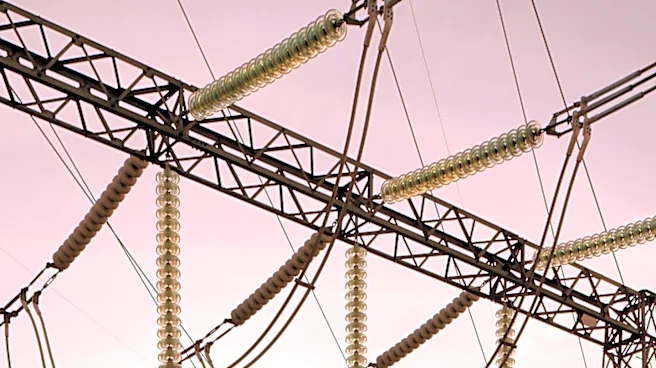
and the Environmental Law & Policy Center, are raising concerns that households and small businesses in northern Illinois may bear a significant portion of these infrastructure costs. Developers have paid $721 million in advance deposits, which is less than 25% of the total projected cost, potentially leaving a $2 billion shortfall. ComEd, however, disputes this analysis, stating that an additional $1.1 billion is secured through lines of credit from data centers, guaranteeing rate payments for 10 years. The utility also notes that some projects are in early stages, and full costs are not yet calculated, implying deposits may increase. The costs are split between transmission ($1.6 billion) and distribution ($1.5 billion) components of the electricity delivery system.
Why It's Important?
The debate over who should fund the substantial infrastructure upgrades required for data center expansion highlights a critical challenge in managing the rapid growth of the digital economy. If consumer groups' concerns materialize, ordinary households and small businesses could face increased electricity bills to subsidize the energy demands of large tech corporations. This situation could exacerbate economic pressures on residents and smaller enterprises. Conversely, ComEd's position suggests that requiring full upfront payment from data center developers might deter investment and make Illinois less attractive for these facilities, potentially impacting job creation and economic development. The outcome of this dispute will set a precedent for how infrastructure costs are allocated in an era of escalating data consumption and AI development, influencing energy policy and economic competitiveness across the U.S. The issue also underscores the tension between fostering technological advancement and ensuring equitable cost distribution for essential public utilities.
What's Next?
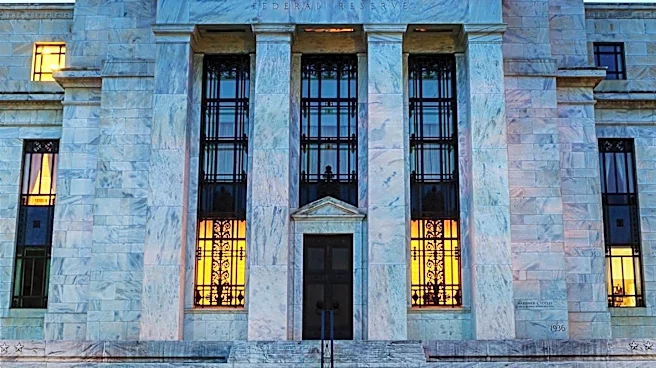
ComEd has proposed a new approach to directly assign rates to individual data centers based on their specific costs, rather than grouping them, a move it believes, along with existing Transmission Security Agreements (TSAs) and deposit requirements, proactively protects customers. However, consumer advocates argue that while TSAs are an improvement, they still leave a substantial gap that should not be covered by residential and small business customers. They advocate for data centers to pay 100% of their power supply and infrastructure investments upfront. The Illinois Commerce Commission will likely play a crucial role in mediating this dispute and determining the final cost allocation. Regulators previously approved ComEd's TSA requirement in 2025, which has already led to a 'substantial attrition' of speculative data center requests. The ongoing regulatory matter will determine whether data center developers will be required to increase their upfront contributions or if a portion of the costs will ultimately be borne by other ratepayers.
Beyond the Headlines
This situation extends beyond immediate financial implications, touching upon broader issues of corporate responsibility, energy policy, and community impact. The rapid expansion of data centers, driven by the demand for artificial intelligence and other digital technologies, is creating significant strain on existing energy grids and infrastructure. The debate in Illinois reflects a national challenge: how to balance the economic benefits of tech growth with the environmental and financial sustainability of local communities. The 'bragawatts' phenomenon, where announced data center capacities often exceed what is actually built due to power and other constraints, further complicates planning and investment. This scenario also raises questions about the transparency of energy consumption data from Big Tech and the potential for 'greenwashing' claims regarding AI's climate benefits. The outcome in Illinois could influence regulatory frameworks in other states grappling with similar issues, potentially leading to more stringent requirements for data center developers to internalize the full costs of their energy demands and infrastructure needs.