



What's Happening?
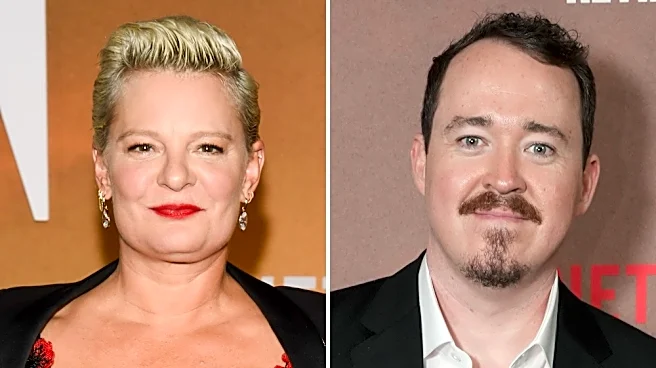
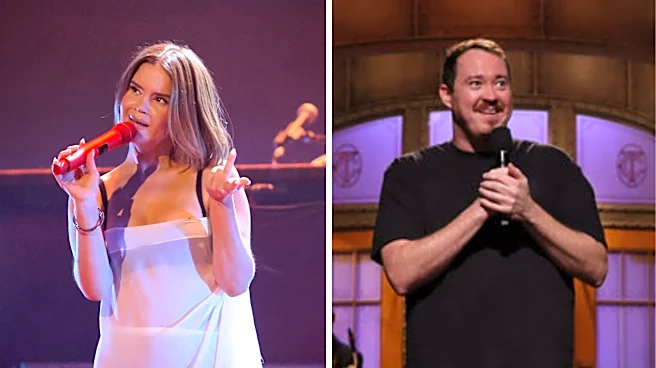
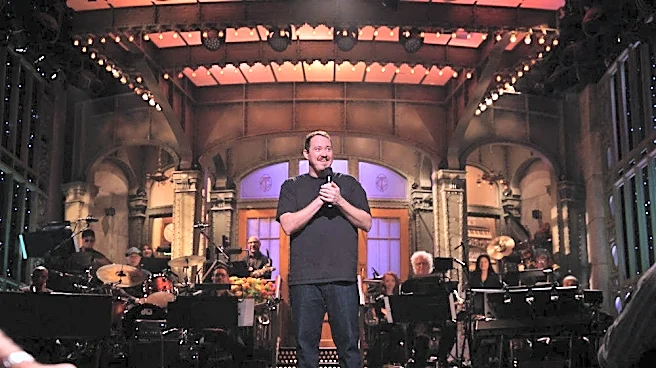
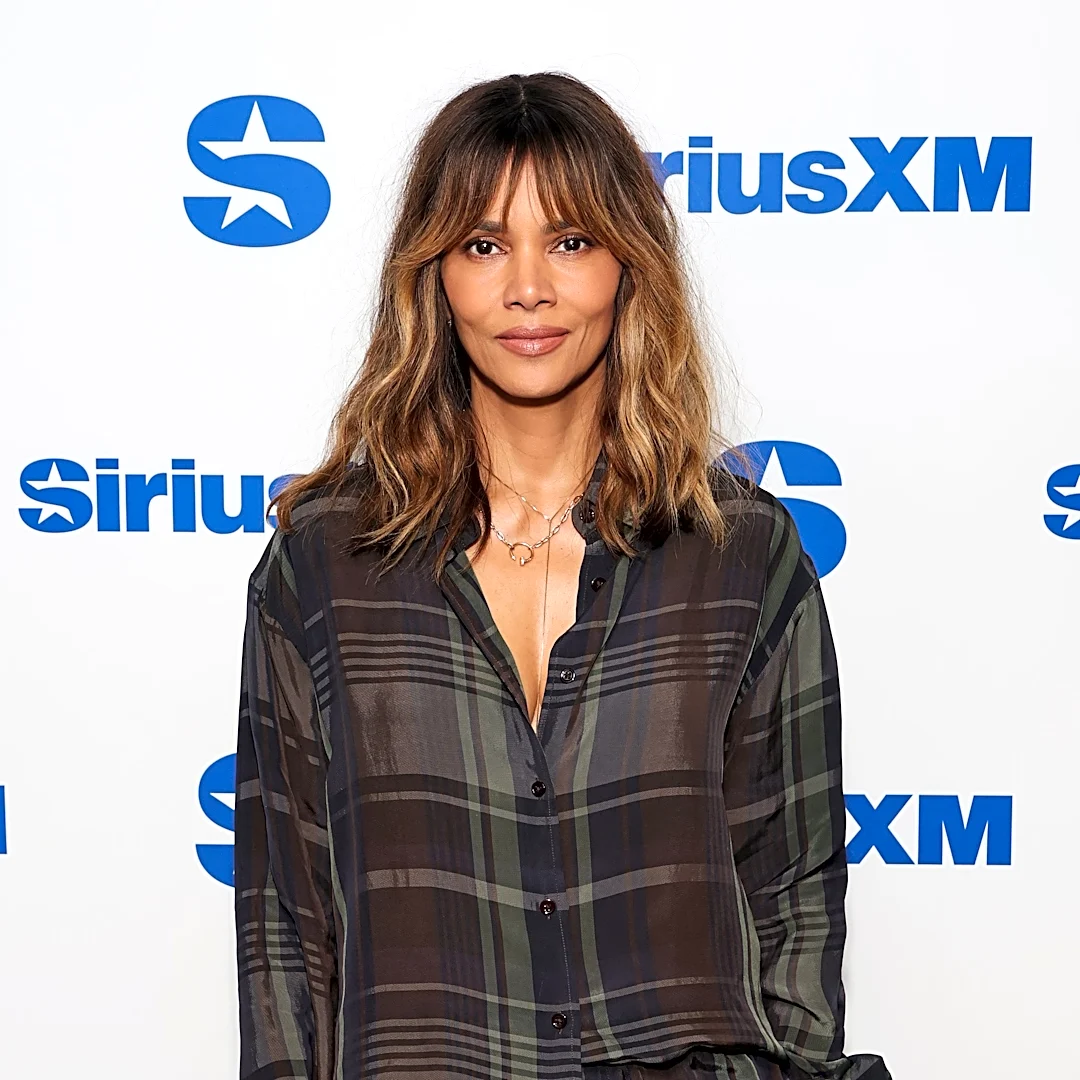
Actress Martha Plimpton has publicly criticized comedian Shane Gillis's recent 'Saturday Night Live' (SNL) monologue, labeling his jokes as "really f***in’ stupid sh**." Plimpton also expressed concerns regarding the lack of diversity in SNL's decision-making
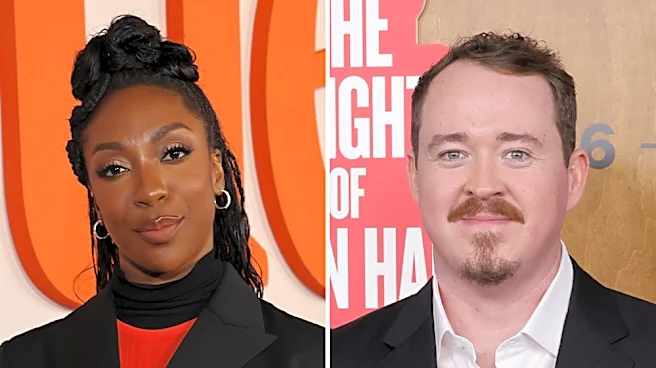
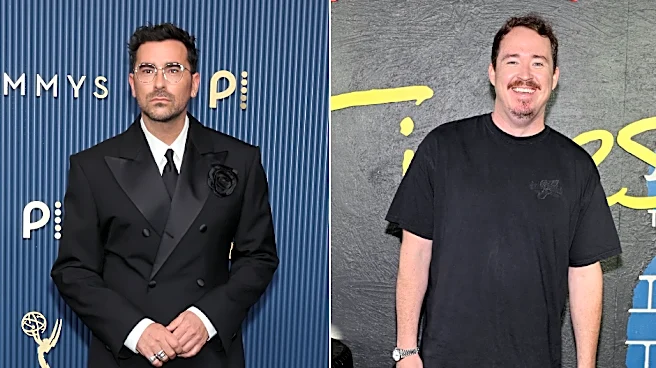
processes, specifically noting that the room where such decisions were made appeared to be composed entirely of white men. This critique follows Gillis's controversial appearance on the show, during which he made a joke about women's gym attire, claiming he "didn’t know women just dress like w----- now" at the gym. Other celebrities, including Kathy Griffin and Dan Levy, have also voiced their disapproval of Gillis's comments. Griffin referred to Gillis as a "hack" and suggested his humor was unoriginal, while Levy posted on Instagram that women wearing short shorts to the gym does not make them "w-----" but rather makes men who call them that misogynists. Former SNL star Ego Nwodim also responded by posting a photo of herself in gym attire with the caption, "W---- reporting for duty."
Why It's Important?
Martha Plimpton's criticism highlights ongoing discussions within the entertainment industry regarding comedic content, gender representation, and diversity in creative leadership roles. Her comments about the "all white men" decision-making room at SNL underscore a broader industry challenge where a lack of diverse perspectives behind the scenes can influence the type of humor and narratives presented to a wide audience. This situation is important because it brings to the forefront the power dynamics in media production and how they can perpetuate or challenge societal norms. When a major platform like SNL, which has significant cultural influence, faces accusations of lacking diversity in its creative core, it raises questions about the show's ability to produce content that resonates respectfully and inclusively with its diverse viewership. The backlash against Gillis's monologue, supported by other public figures, also reflects a growing intolerance for humor perceived as misogynistic or offensive, indicating a shift in audience expectations and standards for comedic content.
What's Next?
The ongoing public discourse surrounding Shane Gillis's 'SNL' monologue and Martha Plimpton's subsequent critique is likely to continue to fuel conversations about accountability in comedy and the need for greater diversity in entertainment production. SNL, as a prominent cultural institution, may face increased pressure to address these concerns, potentially leading to internal reviews of its creative processes and decision-making staff. While no immediate changes have been announced, the collective criticism from various public figures could prompt the show's producers to consider how their content is perceived and the implications of jokes that are deemed offensive. This incident could also encourage other media organizations to re-evaluate their own diversity and inclusion practices, particularly in roles that shape content. The broader entertainment industry might see a continued push for more inclusive writing rooms and production teams to ensure that comedic material is both entertaining and respectful of diverse audiences.
Beyond the Headlines
Beyond the immediate controversy, Martha Plimpton's remarks about the lack of diversity in SNL's decision-making room touch upon a systemic issue within the entertainment industry: the underrepresentation of women and minorities in positions of power. This isn't merely about optics; it has tangible effects on the content produced. When creative decisions are predominantly made by a homogenous group, there's a higher risk of blind spots, leading to jokes or narratives that might be perceived as insensitive or outdated by broader audiences. This incident could serve as a catalyst for deeper introspection within SNL and similar institutions about the ethical responsibilities that come with shaping public discourse through humor. It also highlights the evolving nature of comedy itself, where what was once considered acceptable may now be viewed as problematic, reflecting societal shifts in values and sensitivities. The long-term implication could be a more conscious effort across the industry to foster inclusive environments that not only reflect diverse talent on screen but also behind the scenes, leading to more nuanced and universally appealing content.