

What's Happening?
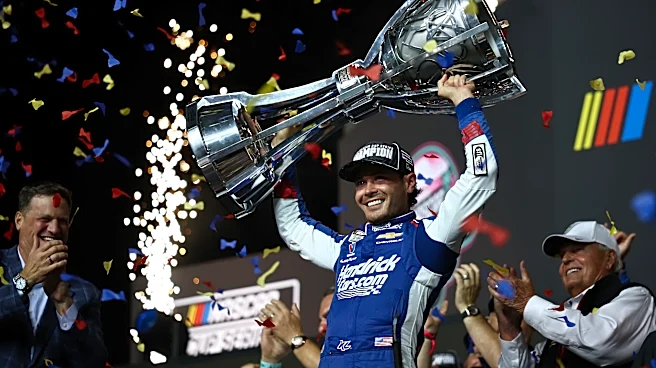
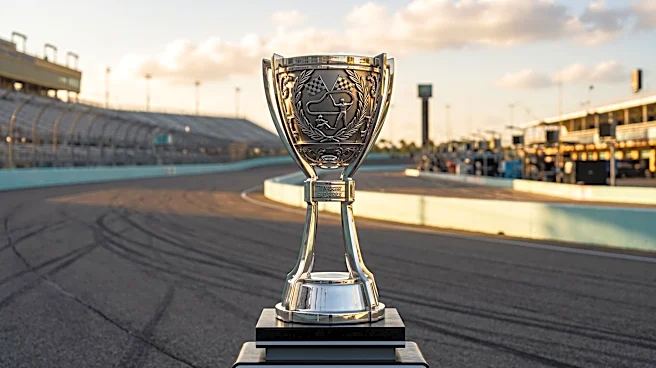
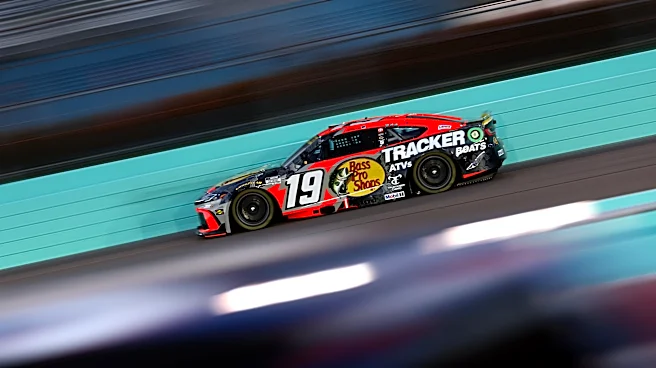
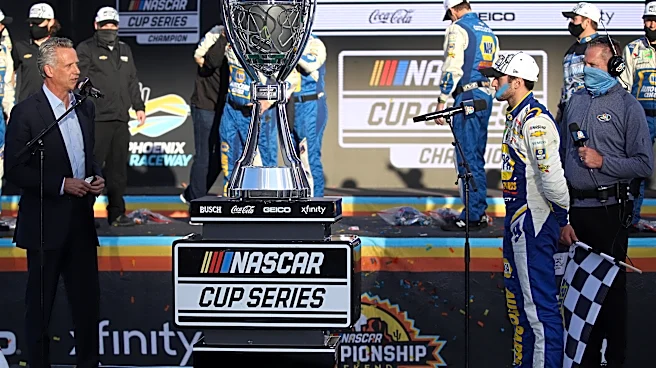
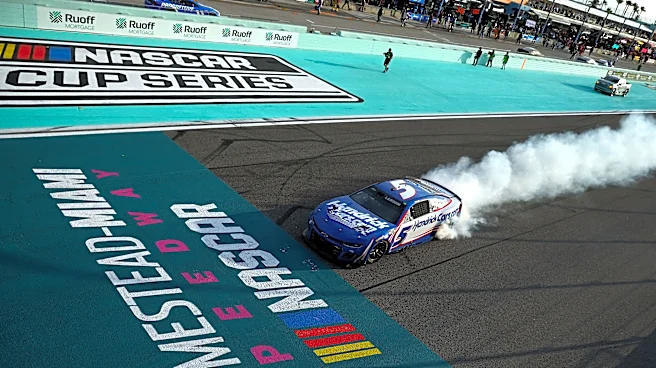
The 2026 NASCAR Cup Series, O'Reilly Auto Parts Series, and Craftsman Truck Series seasons recently concluded at Homestead-Miami Speedway, marking the end of the first season under the current 'The Chase' format. While the format successfully prevented
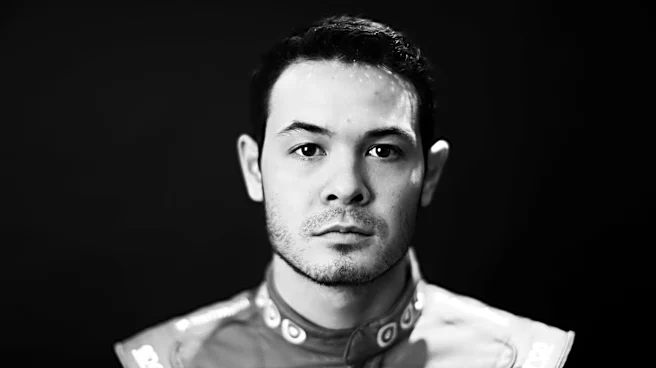
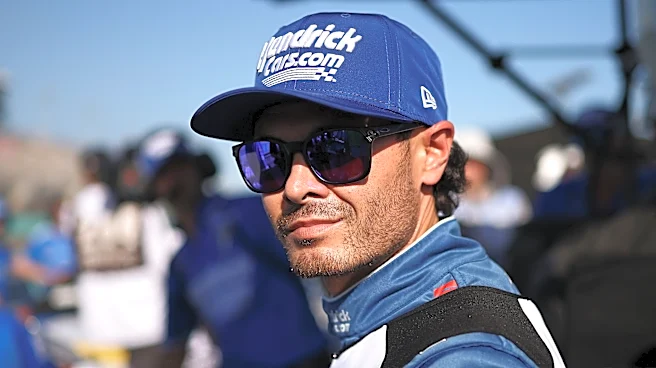
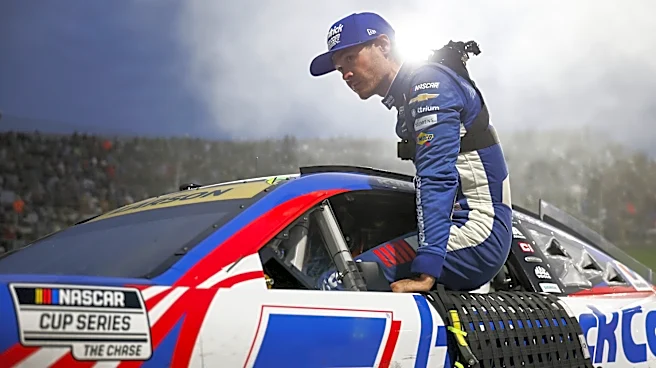
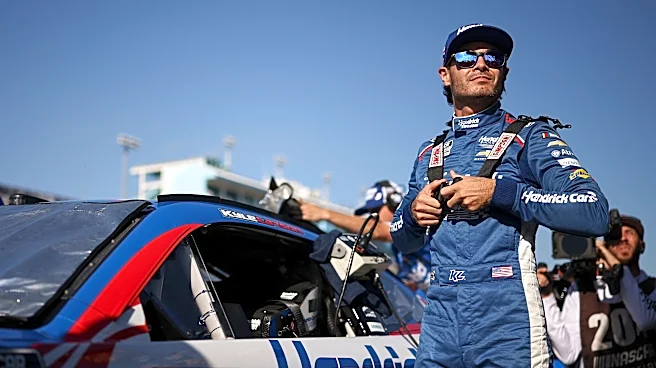
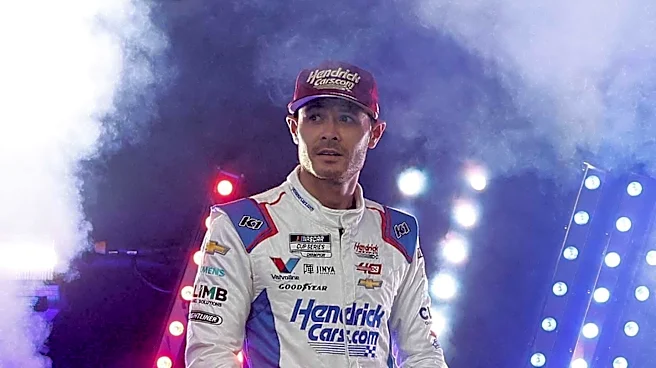
drivers from securing championships without strong contention, the conclusion of the Cup Series and Truck Series championship races was described as "anti-climactic" by some, including driver Kyle Larson. The Craftsman Truck Series race saw its outcome largely decided by lap 15 due to a tire failure, while the Cup Series championship was effectively determined by the end of stage one. In contrast, the O'Reilly Auto Parts Series provided a more engaging title fight, with the points lead changing four times before Justin Allgaier secured his second championship. This mixed reception highlights a debate among fans and participants regarding the balance between a season-long points battle and the manufactured drama of a playoff system.
Why It's Important?
The effectiveness of NASCAR's 'The Chase' format has significant implications for the sport's entertainment value and its appeal to fans and sponsors. An "anti-climactic" championship finish can diminish viewer engagement, potentially impacting television ratings and attendance at races, which are crucial for the financial health of NASCAR and its associated teams and tracks. The format's design aims to create high-stakes drama, making every race matter, particularly the cutoff races and the final four. However, if the championship is perceived as decided too early, it can lead to a decline in interest for the remaining races of the season, especially for tracks hosting later events. This could affect ticket sales and local economies dependent on race-day tourism. The debate also touches upon the historical context of NASCAR, where some fans prefer a season-long points battle, while others appreciate the manufactured excitement of the playoff system, which has historically produced memorable moments like Ross Chastain's 'Hail Melon' and Kyle Busch's 2015 comeback.
What's Next?
The mixed reception to the 2026 'The Chase' format suggests that NASCAR may face pressure to re-evaluate or fine-tune its championship structure. While the format achieved its goal of ensuring competitive championship contenders, the lack of late-race drama in two of the three series could prompt discussions among NASCAR officials, team owners, and drivers. Potential adjustments could involve modifying the points system, altering the playoff race schedule, or introducing new incentives to maintain excitement throughout the final races. The success of the O'Reilly Auto Parts Series in generating a more dynamic title fight might offer insights for future modifications. Stakeholders will likely monitor fan feedback and viewership data closely to determine if the current format is sustainable or if changes are needed to enhance the overall championship experience and ensure that all races, particularly those at the end of the season, retain their significance and draw for fans.
Beyond the Headlines
The ongoing discussion about NASCAR's championship format reflects a broader challenge in modern sports: balancing tradition with the need for continuous excitement and audience engagement. The shift from a season-long points battle to a playoff system like 'The Chase' is an attempt to create more dramatic, high-stakes moments, which are often favored by broadcasters and advertisers. However, this can sometimes come at the cost of the organic narrative development that a full season provides. The perceived "anti-climactic" endings in the Cup and Truck Series highlight a tension between ensuring competitive integrity and delivering compelling entertainment. This situation could lead to a deeper examination of how sports leagues can design formats that honor the competitive spirit of the sport while also maximizing fan interest and commercial viability, without resorting to overly artificial drama. The long-term implications could influence how other sports leagues consider their own championship structures in an evolving media landscape.