






What's Happening?
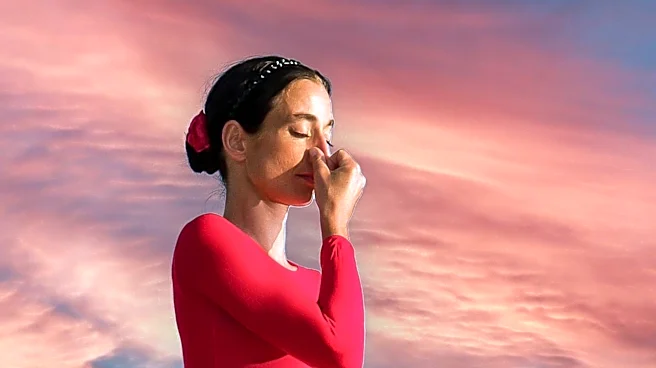
Breathwork, the practice of structured breathing exercises, is experiencing a significant cultural resurgence, with an increasing number of workshops, meditation apps, and resources dedicated to guiding individuals through these practices. This renewed
interest stems from a growing awareness of breath's fundamental role in health, particularly highlighted during the recent pandemic. The practice is being recognized for its potential to improve respiratory function, induce relaxation, and reduce stress. Proponents suggest that breathwork can temporarily alter blood chemistry, leading to sensations like tingling and altered states of awareness, and can also quiet the brain's default mode network, which is associated with self-reflection and control. The accessibility of breathwork, suitable for all experience levels, is contributing to its widespread adoption, with anecdotal evidence suggesting its efficacy in helping individuals process grief and trauma.
Why It's Important?
The growing popularity of breathwork signifies a broader societal shift towards holistic health and mental well-being practices in the U.S. This trend has implications for the wellness industry, potentially driving demand for related services, apps, and educational materials. For individuals, the adoption of breathwork offers a non-pharmacological approach to managing stress, anxiety, and emotional challenges, which are prevalent concerns in modern American life. The emphasis on improving respiratory function also holds relevance in a post-pandemic world, where lung health has gained increased attention. Furthermore, the ability of breathwork to quiet the default mode network suggests potential benefits for cognitive function and emotional regulation, offering a tool for self-improvement and personal development that could impact productivity and overall quality of life.
What's Next?
The trajectory for breathwork suggests continued integration into mainstream wellness and healthcare. We can anticipate further development of specialized breathwork programs tailored for specific conditions, such as chronic stress, PTSD, and respiratory issues. The proliferation of digital platforms, including meditation apps and online courses, will likely make breathwork more accessible to a wider audience. Research into the physiological and psychological effects of breathwork is also expected to expand, providing more scientific validation for its benefits and potentially leading to its incorporation into clinical settings. Additionally, the wellness market may see an increase in products and services designed to complement breathwork practices, such as specialized equipment or guided experiences, as the industry responds to growing consumer interest.
Beyond the Headlines
Beyond its immediate health benefits, the rise of breathwork reflects a deeper cultural yearning for self-connection and presence in an increasingly fast-paced and digitally saturated world. The practice encourages individuals to tune into their internal states, fostering a sense of mindfulness and self-awareness that can counteract the pervasive distractions of modern life. Ethically, as breathwork gains popularity, there will be a need for qualified practitioners and standardized training to ensure safety and efficacy, preventing potential misuse or misrepresentation of the practice. Culturally, breathwork's emphasis on the breath as a bridge between the physical and spiritual realms resonates with ancient traditions, suggesting a re-evaluation of holistic approaches to well-being that extend beyond purely physical or psychological interventions. This could lead to a more integrated understanding of health that encompasses mind, body, and spirit.