





What's Happening?
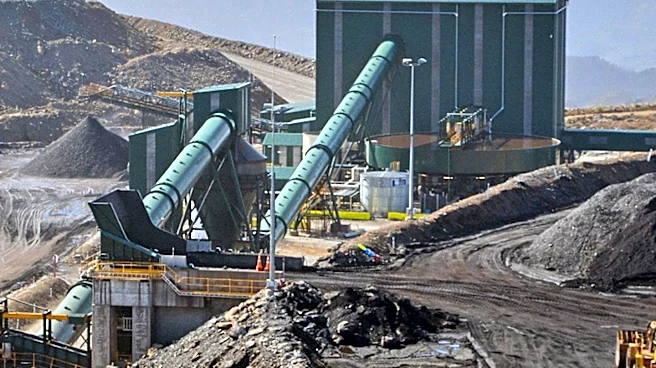
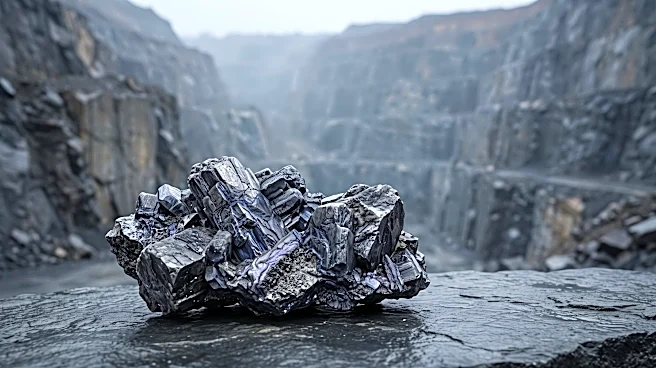
The U.S. and its allies are investing billions of dollars to establish diversified and resilient rare earth supply chains outside of China. This initiative comes as China, which dominates roughly 70% of global rare earth mining, over 90% of refining capacity,
and the vast majority of magnet production, has asserted export controls on rare earth elements (REEs) and related products. In 2025, China introduced restrictions that included REEs, compounds, metals, and magnets, later expanding them to include 'internationally made' products using China-sourced materials or technologies, though these additional controls have been suspended until November 2026. The U.S. Department of Defense has committed billions to entities like MP Materials to support buildouts, heavy rare-earth separation, and mine-to-magnet platforms. Australia is also pledging billions for its first fully integrated rare earths refinery. These investments aim to reduce dependence on China and secure critical materials essential for defense, advanced technologies, and energy security.
Why It's Important?
Rare earth elements are critical geopolitical assets, underpinning defense systems, advanced technologies, and energy security. China's dominance in the rare earth market creates a strategic vulnerability for the U.S. and its allies, as evidenced by China's past use of export controls. Securing an ex-China supply chain is vital for national security, economic stability, and technological competitiveness. The increasing demand for REEs in sectors like AI, electric vehicles, and defense, where they are indispensable for high-performance technologies, makes this diversification effort even more urgent. The U.S. and its allies' investments aim to mitigate supply risks, stabilize prices, and foster domestic and allied production capabilities, thereby reducing the potential for geopolitical leverage by any single nation over these essential materials.
What's Next?
The U.S. and its allies are expected to continue accelerating investments in ex-China rare earth projects, focusing on mining, separation, and refining capacities. Partnerships with countries like Australia and Japan will likely expand, with ongoing efforts to streamline permitting timelines, implement price floors, and establish strategic stockpiles. The suspension of China's additional export controls until November 2026 provides a temporary window for these nations to strengthen their alternative supply chains. Further investment is planned for building out downstream processing capacity. The long-term goal is to create a more diversified and resilient global rare earth market, reducing reliance on China and ensuring a stable supply for critical industries. This will involve continuous monitoring of market dynamics and geopolitical shifts to adapt strategies as needed.
Beyond the Headlines
The push for ex-China rare earth supply chains represents a broader strategic realignment in global trade and national security. It highlights the increasing weaponization of critical resources in international relations, where economic dependencies can translate into geopolitical vulnerabilities. This initiative is not merely about securing materials but about fostering technological sovereignty and resilience in an era of heightened geopolitical competition. The ethical and environmental implications of expanding mining and refining operations outside China will also become more prominent, requiring careful consideration of sustainable practices and community engagement. Ultimately, this shift could redefine global industrial landscapes, encouraging localized production and regional alliances, and potentially leading to a more fragmented yet resilient global supply chain network for critical minerals.