
What's Happening?
The Connecticut Municipal Development Authority (CMDA) has approved a $1.75 million low-interest loan to facilitate the conversion of a vacant 38,920-square-foot office building at 33 Elizabeth St. in downtown
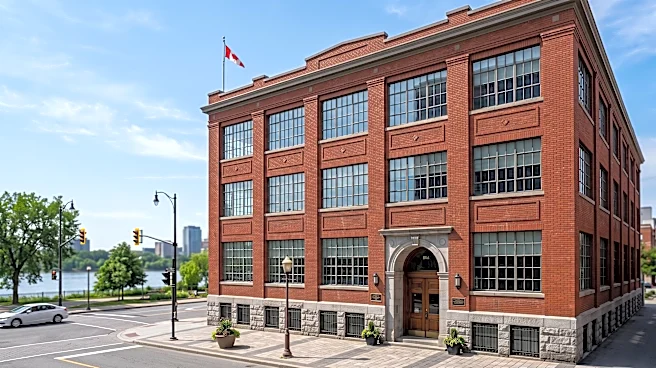
Derby into 31 apartments and ground-floor retail space. This project, led by Connecticut developer Joseph G. Voll, is estimated to cost approximately $6.36 million. The four-story building, constructed in 1929, is strategically located near the Derby-Shelton train station and a greenway along the Housatonic River. The redevelopment plans include a mix of studio, one-bedroom, and two-bedroom apartments, with studios comprising about 71% of the residential units. The CMDA loan features a 3% interest rate and a 30-year term, aligning with the project's anticipated permanent financing. This financing package also includes a $3.6 million construction loan from Milford Bank and approximately $1 million in developer equity. The average proposed monthly rent for these units is $1,735, which is below the $1,826 benchmark for households earning 80% of the area's median income.
Why It's Important?
This project is significant for Derby's downtown revitalization efforts, as highlighted by CMDA Executive Director David Kooris, who noted the favorable loan terms were offered due to the project's potential to rejuvenate the area. The conversion of a vacant commercial building into residential and retail spaces addresses the growing demand for housing while simultaneously breathing new life into underutilized urban properties. By providing a mix of apartment sizes, including a high percentage of studios, the development aims to attract a diverse tenant base, potentially including young professionals and individuals seeking transit-oriented living options. The project's projected average monthly rent being below the area's median income benchmark suggests an effort to provide relatively affordable housing options, which can help retain residents and attract new ones to the city. Furthermore, the phased municipal property tax abatement offers an incentive for the developer, contributing to the project's financial viability and long-term sustainability.
What's Next?
The $1.75 million CMDA loan, along with another $4.5 million loan for a New Britain apartment development, requires final approval from the State Bond Commission. Once approved, the project can proceed with its conversion, with construction expected to be completed by August 2027 for the New Britain project, though a specific timeline for the Derby conversion was not detailed. The financial analysis by Goman+York projects that the Derby development will generate positive cash flow after debt payments in its second year of operation, indicating a stable financial outlook post-completion. The success of this project could serve as a model for future urban redevelopment initiatives in Connecticut, particularly for converting vacant commercial properties into mixed-use spaces to address housing needs and stimulate local economies. The CMDA's continued focus on supporting economic development and downtown revitalization through such projects suggests a broader strategy for urban renewal across the state.
Beyond the Headlines
The trend of converting vacant office buildings into residential units, as seen in Derby, reflects a broader national shift in urban planning and real estate development. With changes in work patterns and an increasing demand for urban living, many cities are grappling with underutilized commercial spaces. This conversion strategy not only addresses housing shortages but also contributes to the environmental sustainability of urban areas by repurposing existing structures rather than engaging in new construction. The project's emphasis on transit-oriented development aligns with contemporary urban planning principles that aim to reduce reliance on personal vehicles and promote walkability and public transportation. The CMDA's role in providing low-interest loans underscores the importance of public-private partnerships in driving such transformative projects, highlighting how government agencies can incentivize development that aligns with community needs and long-term economic goals. This approach could mitigate urban decay and foster more vibrant, mixed-use downtowns.