




What's Happening?
Dublin is actively promoting circular fashion as a key component of its broader circular economy initiatives. The Rediscovery Centre, located in Ballymun, serves as Ireland's National Centre for the Circular Economy, transforming a former municipal boiler
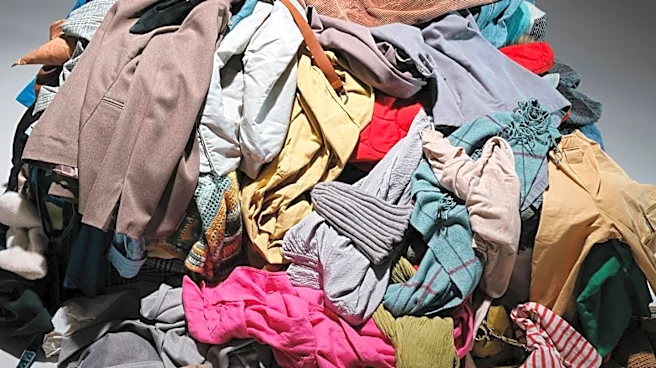
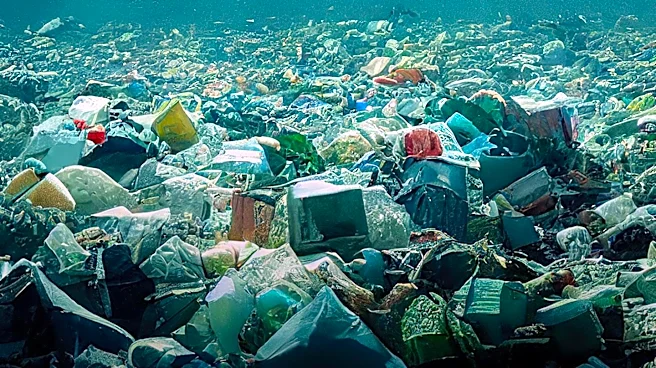
house into a hub for upcycling workshops. These workshops focus on rescuing paint, fashion items, furniture, and bicycles from landfills, diverting over 100 tonnes of waste annually. Beyond environmental benefits, the center also features a zero-waste café that utilizes ingredients grown on-site. Another significant initiative is 'We Make Good,' a social enterprise that partners with designers to create homeware, textiles, and gifts. This organization provides jobs and skills training to individuals from marginalized backgrounds, helping them rebuild confidence and re-enter the workforce. These efforts highlight a shift from traditional waste management to a system that prioritizes resource recovery and social equity within the fashion sector.
Why It's Important?
The emphasis on circular fashion in Dublin holds significant importance for the U.S. and global industries by demonstrating a viable model for sustainable development. The fashion industry is a major contributor to carbon emissions and waste worldwide, making circular practices crucial for environmental sustainability. Dublin's approach, which integrates social impact with environmental goals, offers a blueprint for other cities and nations. By providing training and employment opportunities for marginalized individuals, initiatives like 'We Make Good' showcase how circular economy models can address social inequalities while promoting ecological responsibility. This model can inspire U.S. businesses and policymakers to explore similar integrated strategies, fostering local resilience and reducing dependence on linear 'take-make-dispose' production systems. The success of these programs in Dublin underscores the potential for economic growth that is both inclusive and environmentally sound.
What's Next?
Dublin's circular economy initiatives are expected to continue expanding, with a focus on integrating more businesses and community members. The MODOS program, run by Dublin's local authorities, will continue to offer practical circular economy training for Small and Medium-sized Enterprises (SMEs). This program aims to help businesses audit their operations to reduce waste, design products for circularity, and collaborate with local social enterprises to meet environmental and social targets. The ongoing success of centers like the Rediscovery Centre and enterprises such as 'We Make Good' will likely lead to further investment and replication of these models. Additionally, the city's commitment to micro-mobility and resource preservation, as seen with The Bike Hub and Second Spin, suggests a broader application of circular principles across various sectors, aiming to create a more resilient and sustainable urban environment.
Beyond the Headlines
The deeper implications of Dublin's circular fashion movement extend beyond immediate environmental and social benefits, touching upon fundamental shifts in consumer behavior and industrial design. By actively promoting upcycling, repair, and the use of bio-based materials, these initiatives challenge the prevailing fast fashion paradigm that encourages rapid consumption and disposal. This fosters a cultural shift towards valuing durability, craftsmanship, and the extended life of products. Ethically, the integration of social enterprises like 'We Make Good' highlights the potential for the fashion industry to become a force for social good, providing meaningful employment and skill development for vulnerable populations. This model suggests a future where economic activity is not solely driven by profit but also by a commitment to community well-being and ecological stewardship, potentially influencing global standards for ethical production and consumption in the fashion sector.