



What's Happening?
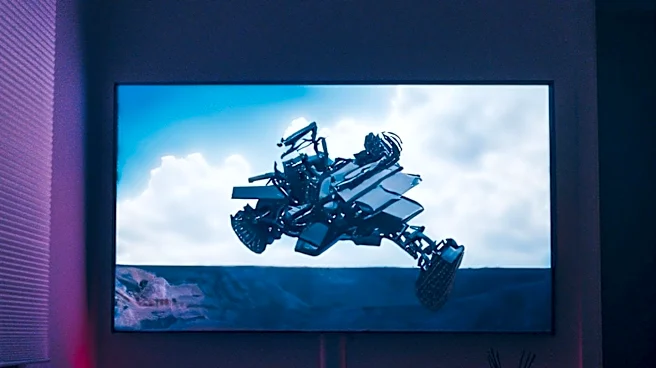
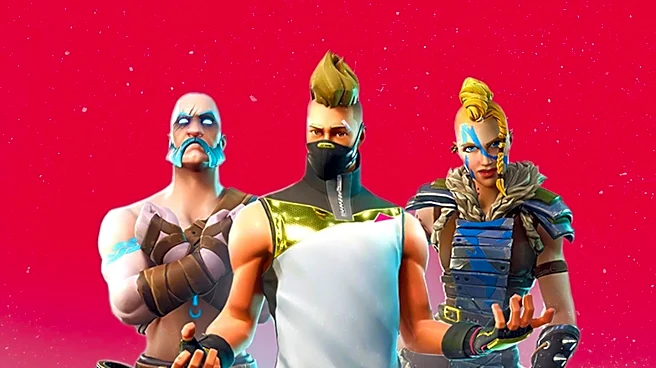
Best Buy has launched a virtual store experience within Fortnite's open-world roleplay environment, Drive City, coinciding with a new season of the popular game. Gamers can now visit a digital Best Buy store, explore various departments, and participate
in a special quest. This in-game experience allows players to unlock exclusive gear, play mini-games, and earn XP. The quest involves searching the Drive City map for collectible Best Buy Tags and returning them to a virtual Best Buy employee. Returning 10 tags earns players a Best Buy Back Bling and in-game currency and XP, while returning 20 tags rewards them with a Best Buy Grappler, which persists across play sessions. The virtual store also features a photo booth to help locate collectibles, a Geek Squad area, and a boom box for controlling in-game music. Players can access this experience using specific island codes on various gaming platforms.
Why It's Important?
This initiative represents a significant move by Best Buy into the metaverse and virtual brand engagement, tapping into the massive audience of Fortnite, particularly younger demographics. By creating an interactive and rewarding experience within a popular gaming platform, Best Buy aims to enhance brand visibility and relevance among a key consumer segment that is increasingly spending time in virtual worlds. This strategy allows the company to connect with potential customers in a non-traditional retail setting, fostering brand loyalty and potentially influencing future purchasing decisions in the physical world. The integration of quests and rewards within the game incentivizes engagement and provides a novel way for Best Buy to market its brand and offerings, including gaming-related products, directly to a highly engaged audience. This also sets a precedent for how traditional retailers can leverage virtual platforms for marketing and customer interaction.
What's Next?
Best Buy will likely monitor the engagement and success of its Fortnite virtual store to inform future metaverse and gaming integration strategies. The company may introduce new quests, exclusive in-game items, or expand its virtual presence to other gaming platforms or metaverse environments based on player feedback and participation rates. Other retailers might observe Best Buy's venture into Fortnite as a case study for their own potential virtual brand activations. The success of this initiative could lead to more widespread adoption of in-game advertising and virtual storefronts as a standard marketing channel, further blurring the lines between digital and physical retail experiences. Best Buy may also explore partnerships with game developers to create more immersive and product-specific virtual experiences.
Beyond the Headlines
This move by Best Buy highlights a broader trend of brands seeking innovative ways to engage with consumers in the evolving digital landscape. The integration into Fortnite goes beyond traditional advertising, offering an experiential marketing approach that allows consumers to interact with the brand in a playful and immersive manner. This could lead to a redefinition of brand loyalty, where engagement in virtual spaces becomes as important as traditional customer service or product quality. It also raises questions about the future of retail, suggesting a hybrid model where physical stores, e-commerce, and metaverse experiences coexist and complement each other. The ethical implications of marketing to younger audiences within gaming environments, and the potential for virtual goods to influence real-world consumer behavior, are also emerging considerations as more brands enter this space.