
What's Happening?
Traditional banks are increasingly encouraging customers to switch from paper statements to eStatements and other digital banking experiences. This transition is driven by the significant benefits offered
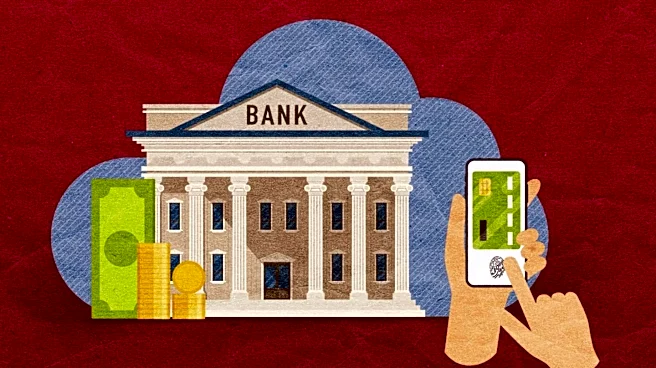
by electronic services, including enhanced convenience, speed, and security. eStatements, which are electronic bank statements and notices, are delivered directly to customers' email addresses and online banking accounts immediately after processing. They contain the same information as traditional paper statements but eliminate the delays associated with postal delivery. The broader shift to digital banking allows for instant money transfers, digital check deposits, and other tasks that historically required physical visits to a bank branch. This move is part of a larger trend of digital enhancements transforming everyday life, making financial management more efficient and accessible.
Why It's Important?
The widespread adoption of eStatements and digital banking by traditional banks is crucial for several reasons. For consumers, it offers unparalleled convenience, allowing them to manage their finances anytime, anywhere, and receive information instantly. This reduces the time and effort previously spent on banking tasks, improving overall customer experience. From a security standpoint, digital delivery can be more secure than physical mail, reducing the risk of statements being lost or intercepted. For banks, this shift leads to significant operational efficiencies and cost savings by reducing printing and mailing expenses. It also aligns them with modern consumer expectations, helping them remain competitive against fintech companies. Environmentally, reducing paper consumption contributes to sustainability efforts. The move towards digital experiences is a critical step for traditional banks to modernize their services and maintain relevance in an increasingly digital world, impacting how financial services are delivered and consumed across the U.S.
What's Next?
The trend towards digital banking and eStatements is expected to continue its rapid expansion. Banks will likely further invest in user-friendly mobile applications and online platforms to enhance the digital customer experience. Educational campaigns will probably intensify to encourage more customers, particularly those less familiar with technology, to adopt digital services. We can anticipate further innovations in digital banking, such as advanced AI-powered financial advice and more seamless integration with other digital services. The focus will remain on improving the speed, security, and convenience of digital transactions. Regulatory frameworks may also evolve to keep pace with these technological advancements, ensuring consumer protection and data privacy in the digital realm. The ultimate goal is to create a fully integrated digital banking ecosystem where physical interactions become the exception rather than the norm.
Beyond the Headlines
The shift to eStatements and digital banking has deeper implications beyond immediate convenience and cost savings. It represents a fundamental change in how individuals interact with their financial institutions, fostering a more self-service and immediate approach to money management. This digital transformation also raises questions about digital literacy and access, as segments of the population may struggle to adapt to these new technologies, potentially exacerbating financial exclusion. Furthermore, the increased reliance on digital platforms heightens the importance of cybersecurity, making robust protection against cyber threats a paramount concern for both banks and customers. Culturally, it signifies a move towards a less tangible, more abstract relationship with money, which could influence spending habits and financial planning. In the long term, this digital evolution could reshape the entire financial services industry, leading to new business models and a more interconnected global financial system.