




What's Happening?
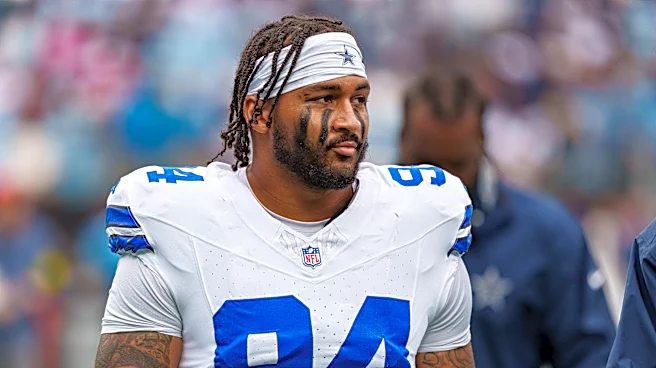
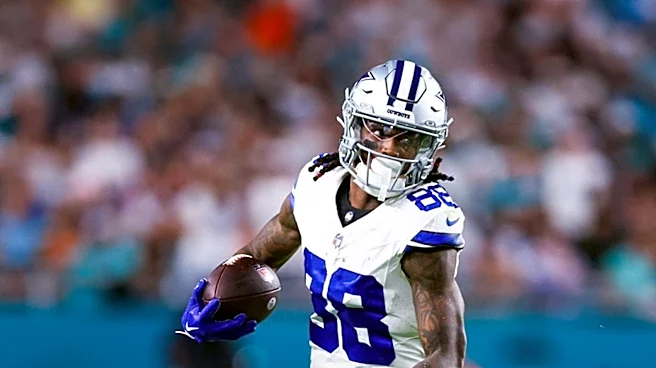
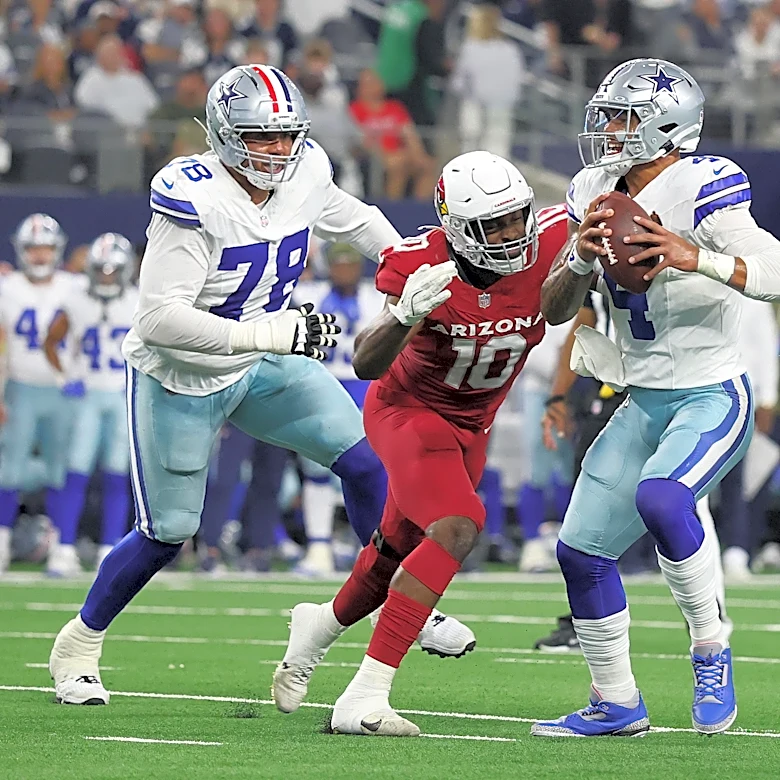
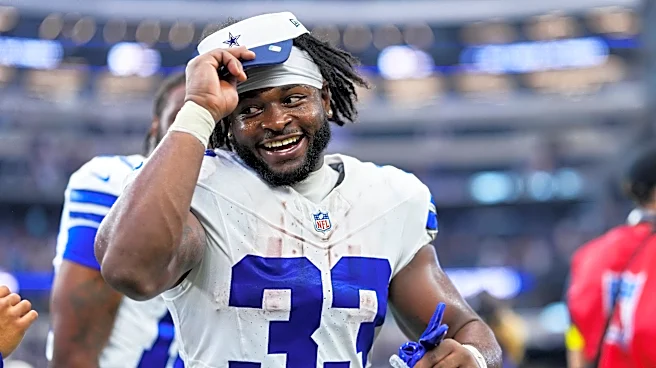
Dallas Cowboys defensive end Marshawn Kneeland, who died by suicide at the age of 24, was diagnosed posthumously with early-stage chronic traumatic encephalopathy (CTE). The diagnosis was confirmed by researchers at Boston University's CTE Center, as announced
by the Concussion & CTE Foundation. Kneeland, who had been playing tackle football since the age of seven, was in his second professional season with the Cowboys at the time of his death. The Frisco, Texas police reported that Kneeland died from a self-inflicted gunshot wound after a pursuit by state troopers. His family released a statement emphasizing the importance of raising awareness about the struggles faced by athletes in high-contact sports.
Why It's Important?
The diagnosis of CTE in Marshawn Kneeland highlights the ongoing concerns about the long-term health impacts of repetitive head trauma in contact sports, particularly football. CTE is a degenerative brain disease linked to repeated brain injuries, and its presence in young athletes like Kneeland underscores the need for increased safety measures and awareness in sports. The findings contribute to the growing body of evidence that CTE can develop early in athletes' lives, potentially affecting their mental health and behavior. This case may prompt further research and policy discussions on how to better protect athletes and address mental health issues related to sports injuries.
What's Next?
The revelation of Kneeland's CTE diagnosis may lead to increased advocacy for changes in sports safety protocols and mental health support for athletes. Organizations like the NFL may face pressure to implement stricter guidelines to prevent head injuries and provide better support for players' mental health. Additionally, the case could influence ongoing research efforts to develop methods for diagnosing CTE in living individuals, which would be a significant advancement in understanding and treating the disease.